Overview
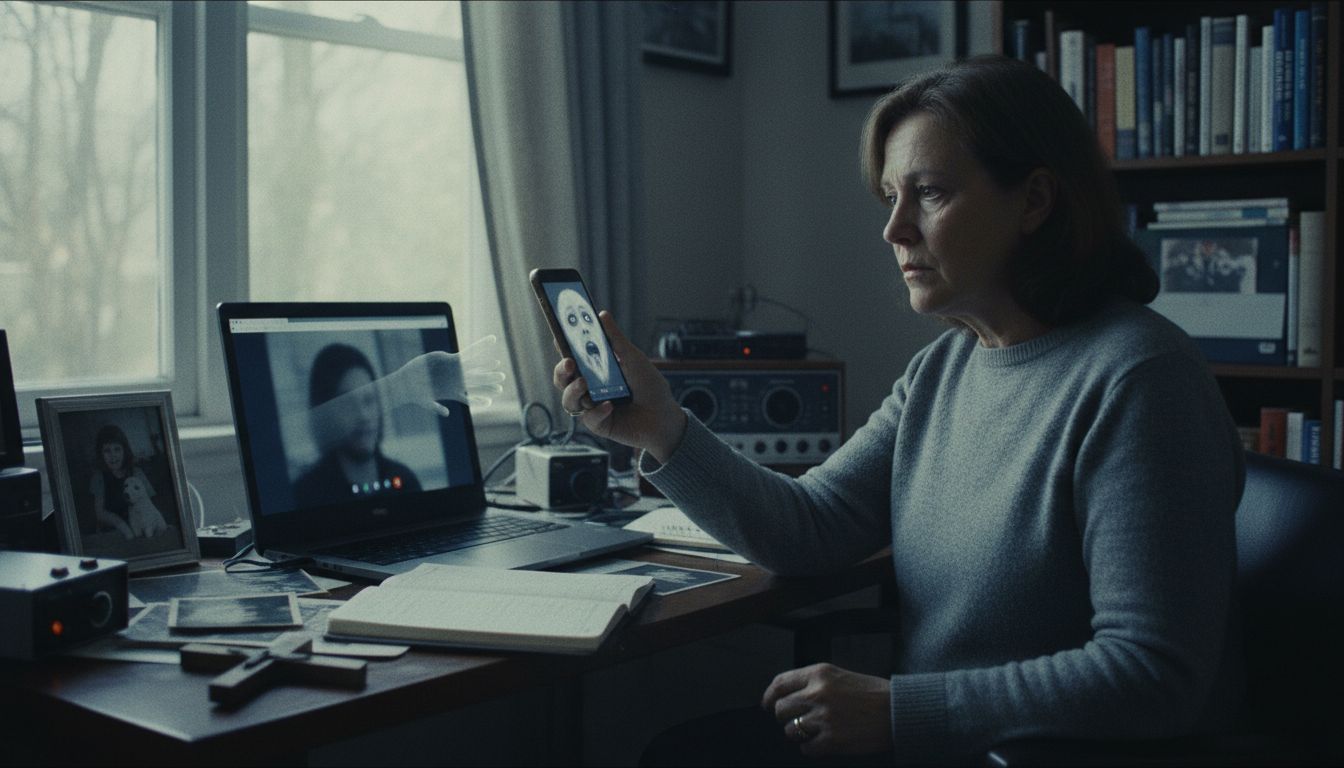
A paranormal researcher has drawn attention online after sharing an EVP-style audio clip reportedly recorded during a Skype call with his mother, a short file circulating under the title “EVPvoiceonSkypewithMumNew.m4a.” The clip is being presented as an example of electronic voice phenomenon, or EVP — the idea that voices or vocal-like sounds attributed to spirits can sometimes be captured on audio recordings. While the post has sparked curiosity among paranormal enthusiasts, the publicly visible material provides no independent verification of the recording’s origin or of the interpretation being placed on it.
The file was shared through a Jumpshare page, which lists the audio file and standard sharing and download options but does not include a transcript, detailed description, or technical analysis of the recording. That means the broader claim rests largely on the uploader’s framing and listeners’ interpretation of what they hear in the clip. As with many EVP cases, the central question is whether the sound represents a meaningful voice, a transmission artifact, ambient noise, or a subjective pattern heard by the listener.
What the clip purports to show
According to the summary accompanying the file, the researcher believes a creepy voice responds during the Skype conversation, a moment that he connects to his own history of supernatural experiences. That personal angle is significant: EVP cases often gain traction not just because of the sound itself, but because they are embedded in a larger narrative of perceived haunting, unexplained events, or prior encounters with the paranormal. For supporters, the combination of an ordinary digital call and an unexpected voice can appear compelling.
Skype and other internet-based calling platforms, however, are also environments where audio distortion can occur. Compression artifacts, lag, cross-talk, microphone bleed, and background interference can all create fragments that listeners may interpret differently. In practice, this is one reason EVP claims are difficult to assess: what one person hears as a direct response, another may dismiss as static, echo, or a misheard syllable. Without access to the original recording conditions and a full technical review, the clip remains anomalous rather than conclusive.
Broader EVP context
EVP has been part of paranormal research for decades and remains popular in ghost-hunting circles, where investigators often use digital recorders, radios, and now online communication tools to search for unexplained voices. The phenomenon is controversial because the evidence is typically subjective and difficult to replicate. Skeptics argue that human perception is highly prone to suggestion, especially when listeners are told in advance that a recording contains a hidden message or unusual response.
Still, EVP clips continue to circulate widely on social media and sharing platforms because they are compact, easy to distribute, and naturally invite debate. In this case, the Skype setting adds a modern twist to a longstanding paranormal claim, blending everyday communication technology with a classic ghost-hunting narrative. That combination helps explain why such recordings often travel quickly among audiences already interested in unexplained phenomena.
Caution and verification
For now, the clip should be treated as an unverified paranormal claim rather than evidence of supernatural activity. There is no accompanying documentation showing how the recording was made, whether it was edited, or whether the perceived voice can be isolated and analyzed independently. In paranormal reporting, that distinction matters: striking audio can be intriguing, but it is not the same as proof.
What the Jumpshare post does show is the enduring appeal of EVP stories in the digital age. Even without a formal analysis, a short clip and a suggestive title can be enough to reignite questions about whether unexplained voices are being captured at all — or whether listeners are simply hearing what they expect to hear.