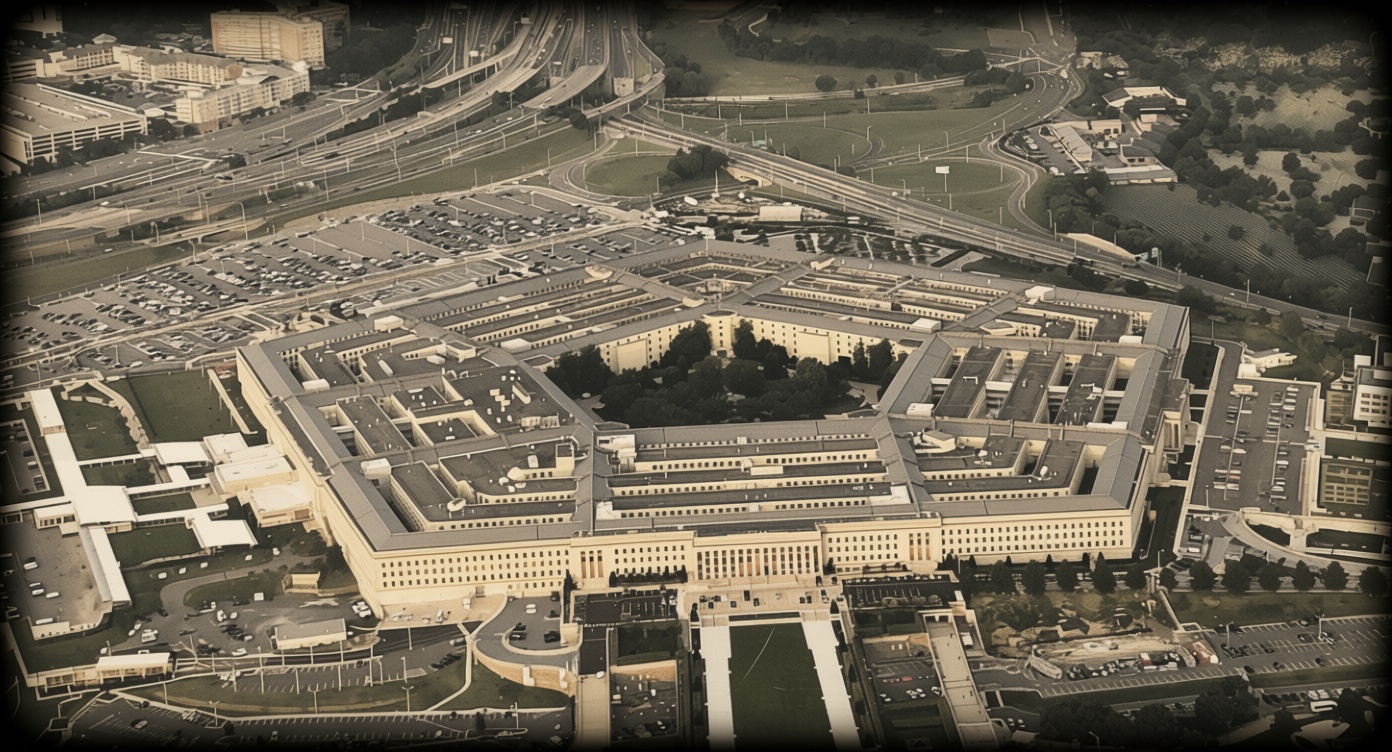
Overview
Part 3 of the series examines a hypothetical “parallel control system” for managing an alleged, highly compartmentalized UAP retrieval program. The concept is presented as a possible explanation for how such a program could operate beyond the reach of conventional presidential, congressional and intelligence-community oversight. However, the excerpt provides no documentary evidence that such a program or control structure exists. Instead, it uses the historical development of America’s postwar intelligence system as context for considering how authority, secrecy and institutional boundaries can evolve.
The historical reference point is the Office of the Historian’s account of Rear Admiral Roscoe H. Hillenkoetter, who became Director of Central Intelligence on May 1, 1947. Hillenkoetter succeeded General Hoyt Vandenberg during a period when the country was still defining the responsibilities of its emerging national-intelligence institutions. His appointment followed a decision by the National Intelligence Authority and reflected the military establishment’s preference for an officer at a time when pending national-security legislation was expected to expand the importance of the intelligence director’s role.
Historical Context
According to historian Arthur Darling, the Department of State may have believed it was entitled to nominate the next intelligence director, but the military services were reluctant to place the position in civilian hands. A later account by Ludwell L. Montague, a State Department officer detailed to the Central Intelligence Group, recalled a February 1947 conversation with Presidential Naval Aide Admiral Foskett. Foskett reportedly described Hillenkoetter as the already-selected successor and suggested that an Army-Navy alternation in the post had effectively become an institutional expectation.
Montague objected to that assumption, writing that he “took a dim view of that.” His account illustrates how leadership decisions could be shaped not only by formal procedures, but also by informal traditions, personal influence and interservice expectations. Those dynamics are relevant to the series’ hypothetical model, which proposes that sensitive UAP-related activity could potentially be governed through relationships and channels that do not correspond neatly to publicly recognized chains of command.
The Hypothetical Control Structure
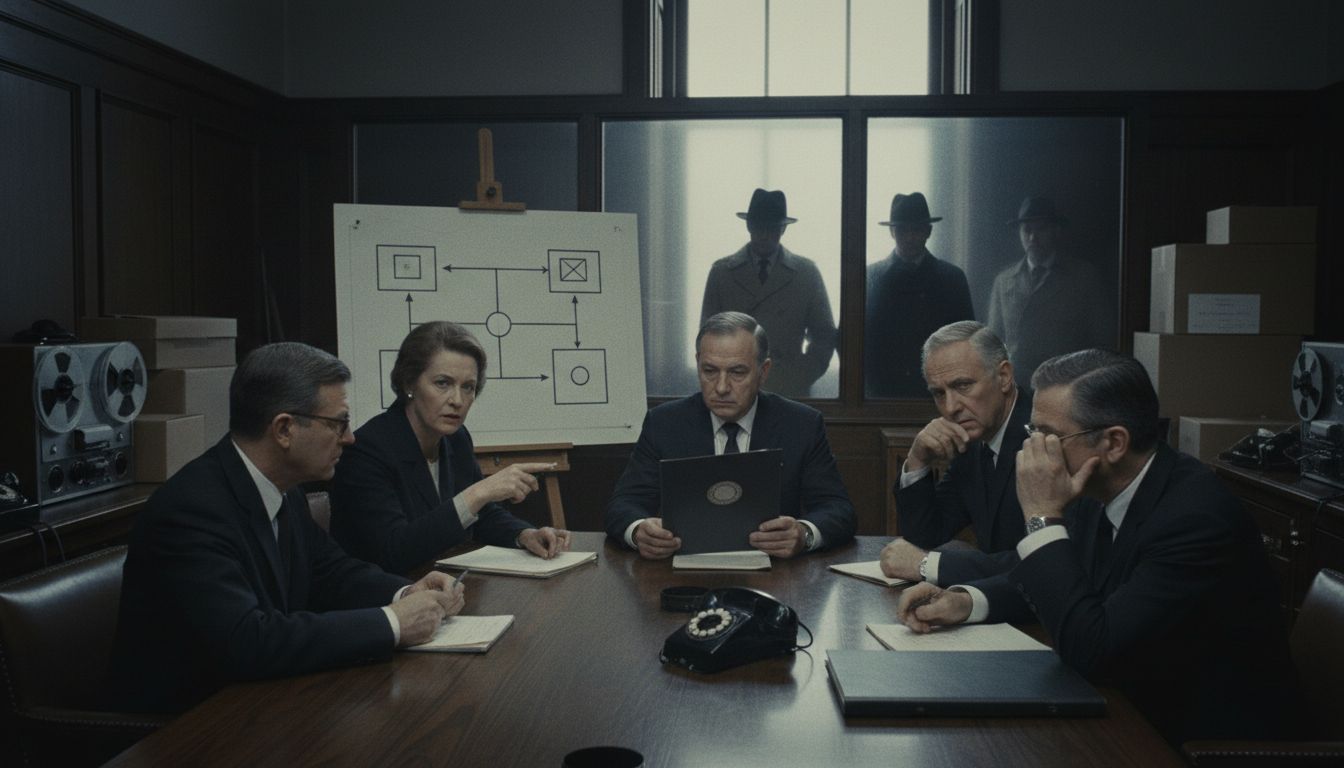
Under the proposed scenario, a parallel system might separate operational control from ordinary agency oversight. Presidents could receive limited briefings, Congress might be given incomplete or highly generalized information, and inspectors general or intelligence committees could encounter only selected parts of a program. Such an arrangement, if it existed, would raise fundamental questions about who authorized operations, who controlled funding and who was legally accountable for decisions.
The historical record does show that early intelligence officials faced disputes over the meaning of their authority. Hillenkoetter inherited controversies involving the Central Intelligence Group’s designation as the National Intelligence Authority’s “executive agent,” the expansion of analytical and research activities, and efforts to define national and strategic intelligence in ways that could increase the director’s power. These documented debates do not establish a connection to UAP programs, but they demonstrate that institutional authority and oversight were contested even at the formation of the modern intelligence system.
Oversight Questions
The central issue raised by Part 3 is therefore not whether a parallel UAP-control structure has been proven, but whether existing oversight mechanisms would be capable of detecting one. A genuinely compartmentalized program could, in theory, exploit classification rules, restricted-access permissions, contractor relationships or ambiguous jurisdiction. Yet those possibilities remain analytical claims unless supported by verifiable records, testimony, budget documents or corroborated investigative findings.
The excerpt’s historical material offers context rather than confirmation. It shows that intelligence institutions have long operated amid secrecy, bureaucratic competition and evolving definitions of authority. That history can inform questions about oversight, but it cannot by itself validate allegations of a hidden UAP retrieval program. Any conclusions about such a system would require evidence that can be independently examined and tested.