Overview
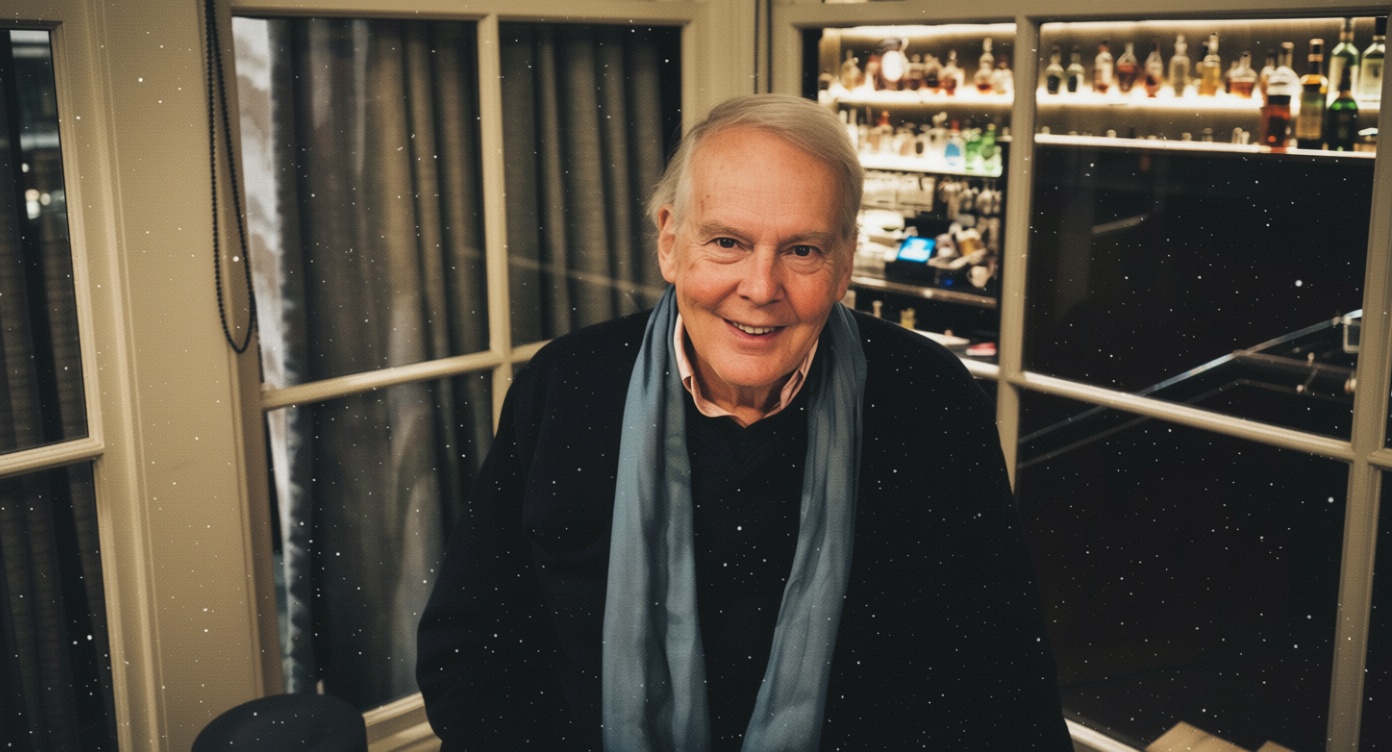
Paul Andrews, the founder of what became known as the “Woodstock of U.F.O.s,” has died at 77, according to reporting from The New York Times. Andrews was remembered for helping transform UFO gatherings from niche meetups into major cultural events that drew together believers, skeptics, researchers and the merely curious. His death marks the passing of a figure who helped shape how the public talks about unexplained aerial phenomena.
Turning a Fringe Interest Into a Cultural Event
Andrews’ most enduring legacy was not just that he organized a gathering, but that he helped redefine what a UFO event could be. In an area long associated with speculation, secrecy and outsider status, he created a forum that made room for discussion on a larger scale. What earned the event its “Woodstock” nickname was not only its size, but its atmosphere: a place where an unconventional subject could be explored in a setting that felt open, communal and wide-ranging.
That approach mattered because UFO interest has often sat at the intersection of science, folklore, military concern and popular entertainment. Andrews understood that the topic’s appeal extended beyond committed enthusiasts. By bringing together people with different perspectives, he helped turn a highly specialized subculture into something that could function as a public event, where debate and curiosity were part of the draw.
A Broader Moment for UFO Interest
Andrews’ life and work also fit into a broader historical moment in which UFOs have increasingly moved into the mainstream. Over the past several years, government disclosures, military encounter reports and renewed media attention have made discussions of UAPs — the term now often used in official settings — more visible than in decades past. Against that backdrop, the gatherings Andrews helped establish can be seen as early examples of the public appetite for serious, if still unresolved, conversation about aerial mysteries.
The appeal of those events went beyond the question of whether extraterrestrial life exists. They offered a meeting ground for different ways of thinking: the believer seeking validation, the skeptic looking for evidence, and the researcher trying to separate claims from fact. That mix helped give the UFO conversation a broader cultural legitimacy, even as the subject itself remained unsettled.
Remembering Andrews’ Legacy
What set Andrews apart was his ability to see value in bringing people together around a topic that many institutions once treated as marginal. In doing so, he helped create a space where curiosity could coexist with doubt, and where fascination with the unknown could be discussed publicly rather than privately. For many who attended or followed the event, the “Woodstock of U.F.O.s” was less a spectacle than a sign that the conversation had grown larger than the old stereotypes surrounding it.
Andrews’ death closes a chapter in that history, but the event he founded appears to have outlived its original novelty. The continuing public interest in UFOs suggests that the model he helped create — part convention, part cultural gathering, part forum for debate — still resonates.