Overview
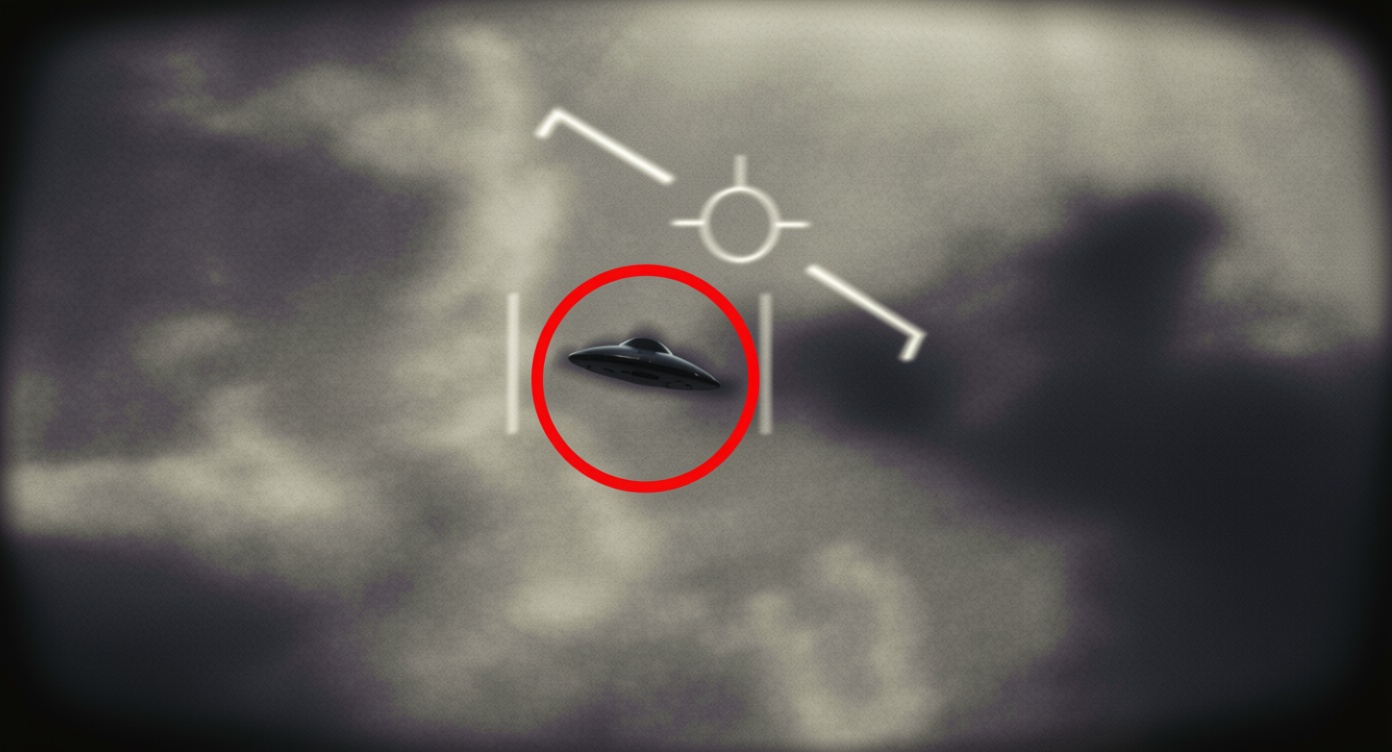
The Pentagon is taking a significant step to strengthen protections for whistleblowers who report information related to unidentified anomalous phenomena (UAPs), a move that could make it easier for military personnel, contractors, and other insiders to come forward with concerns, evidence, or firsthand accounts without fear of retaliation. The policy shift appears designed to address a longstanding obstacle in UAP oversight: the reluctance of witnesses to speak publicly or through official channels because of career, security, or reputational risks.
While the latest report does not spell out every procedural detail, the direction is clear. Defense officials are signaling that they want to encourage reporting rather than suppress it, especially as scrutiny of UAP issues has intensified in recent years. The change comes amid broader pressure from lawmakers, watchdogs, and the public for more transparency around unidentified sightings, military encounters, and the handling of related information inside the national security system.
Why the move matters
Whistleblower protections have become a central issue in the UAP debate because many of the most consequential claims about sightings or hidden information have come from people who say they were hesitant to speak out. In a defense environment where classified programs, chain-of-command concerns, and stigma can all discourage disclosure, strong protections can determine whether sensitive information reaches investigators at all.
The Pentagon’s move suggests a recognition that credible reporting depends on trust. If employees believe they can raise concerns without being punished, they are more likely to share details that might otherwise remain buried. That could help improve internal review, identify misinterpretations, or bring legitimate safety issues to light. It may also help the government distinguish between unexplained events and routine phenomena that are only poorly understood.
Broader context around UAP oversight
The UAP issue has evolved from a niche subject into a matter of formal defense and congressional interest. In recent years, the Pentagon has faced persistent questions about what it knows, what it records, and how it evaluates reports from service members. At the same time, advocates for disclosure have argued that too much information remains siloed, with witnesses uncertain where to turn.
Against that backdrop, stronger whistleblower protections could serve multiple purposes. They may help the Pentagon collect better data, reduce internal fear of speaking up, and demonstrate to lawmakers that it is taking oversight seriously. They also align with a broader government trend toward improving mechanisms for protected disclosure, especially when allegations involve possible mismanagement, secrecy, or national security concerns.
What comes next
The effectiveness of this effort will depend on how the protections are implemented in practice. Clear reporting channels, confidentiality safeguards, and assurances against retaliation will be essential if officials want personnel to trust the system. Without those elements, even a well-intentioned policy may do little to change behavior.
For now, the Pentagon’s move appears to be less about confirming any specific UAP claims and more about creating a safer pathway for information to surface. Whether that leads to new evidence, more consistent reporting, or a fuller public accounting remains to be seen. But in a field where secrecy and skepticism have long shaped the debate, stronger protections for whistleblowers could prove to be one of the most important developments yet.