Overview
The U.S. Department of War has established a new legal pathway for current and former government personnel to provide information about unidentified anomalous phenomena (UAP) to the administration’s Presidential Unsealing and Reporting System for UAP Encounters, or PURSUE, initiative. The waiver is intended to allow disclosures of UAP-related National Defense Information (NDI) without triggering certain civil or administrative penalties under applicable nondisclosure agreements.
Announced Monday, the measure creates what the department described as an “authorized, legally protected disclosure mechanism” for personnel who provide relevant information to designated PURSUE representatives. The policy applies to current and former Department of War service members, veterans, civilian employees and contractors who have, or previously had, authorized access to UAP-related NDI.
Scope of the Legal Protection
The waiver provides targeted relief from certain enforcement provisions contained in nondisclosure agreements and Special Access Program Indoctrination Agreements, or SAPIAs. However, the protection is limited: it applies only to communications made through the authorized PURSUE channel and to designated representatives of the initiative.
That distinction means the waiver does not appear to create a blanket authorization for personnel to disclose classified information publicly, to the media or to unauthorized parties. Instead, it establishes a controlled process through which officials can submit information for government review. The Department of War did not indicate that all disclosures will be released or declassified, and the information would remain subject to existing classification and national-security procedures.
PURSUE’s Role in UAP Transparency
PURSUE was launched earlier this year by the Trump administration as a records-review and transparency effort. Unlike the All-domain Anomaly Resolution Office, or AARO, it is not primarily an investigative organization tasked with resolving UAP incidents. Its stated function is to identify, evaluate, declassify and publicly release UAP-related records held across federal agencies.
The new waiver expands that effort by giving personnel a formal route to identify records or provide additional context about information already held within government systems. The Department of War said the measure supports President Donald Trump’s mandate for greater transparency regarding UAP. It also comes as PURSUE has begun releasing batches of UAP-related files, including videos and other government records.
Experts Describe Move as Unprecedented
Michael Gold, president of Redwire Space and a former NASA official involved with the UAP Task Force and NASA’s UAP Independent Study Team, characterized the action as unusually broad. “To the best of my knowledge, this action by the Department of War is nearly, if not entirely, unprecedented,” Gold told The Debrief. “I have never seen anything like this before on any topic.”
Gold said the waiver demonstrates the seriousness with which the Department of War and the Trump administration are approaching UAP transparency. He added that the administration’s handling of the issue “should be applauded by all of those who care about the issue and good government generally.”
Broader Context and Remaining Questions
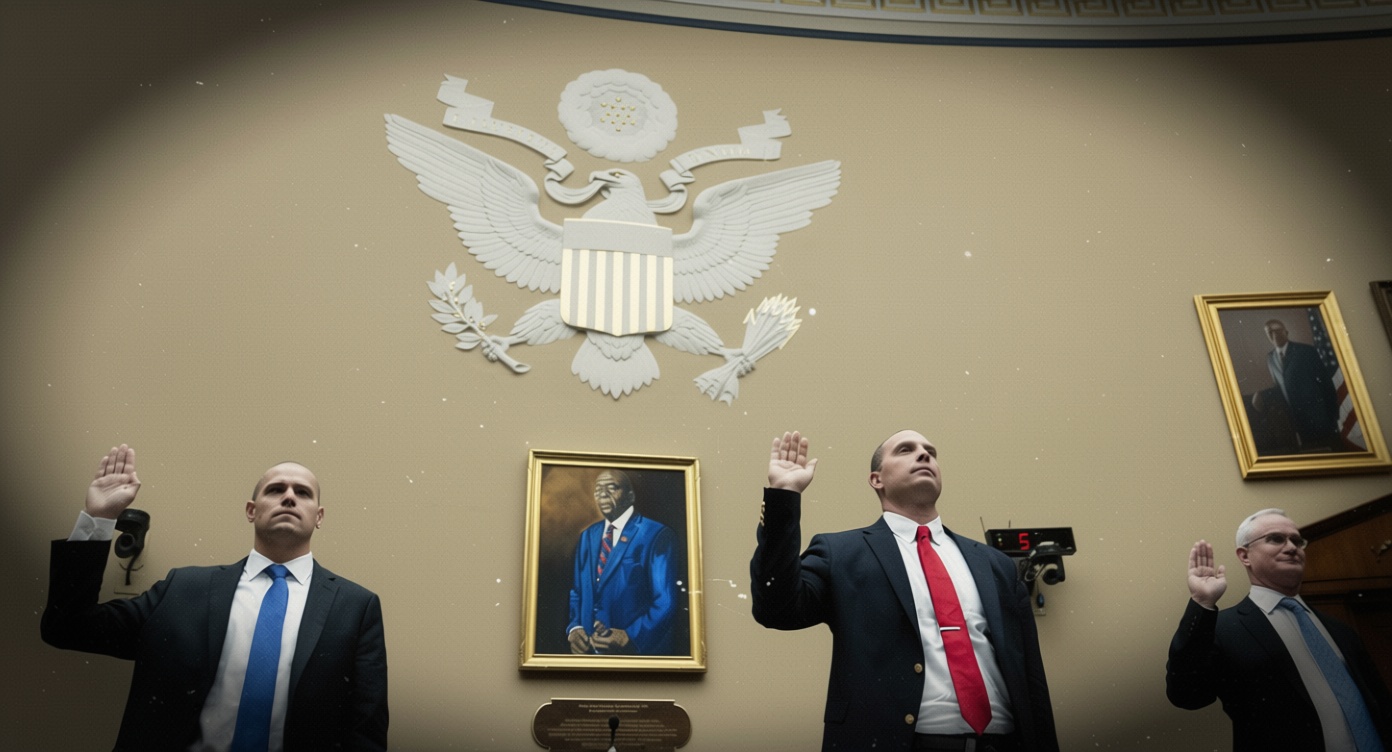
The order follows years of testimony and public allegations from UAP whistleblowers, including former officials and military personnel who have claimed that the government possesses information about unusual craft and encounters. Some witnesses have made allegations involving alleged non-human technology, but those claims remain disputed and have not been independently established through publicly available evidence.
The practical impact of the waiver will depend on how many individuals use the new channel, what information they provide and how agencies evaluate potential declassification. While the policy could encourage more insiders to come forward without risking certain contractual penalties, it does not guarantee public release of any individual disclosure. Its significance will ultimately be measured by whether the protected process produces verifiable records, clearer government accountability and substantive additions to the public UAP record.