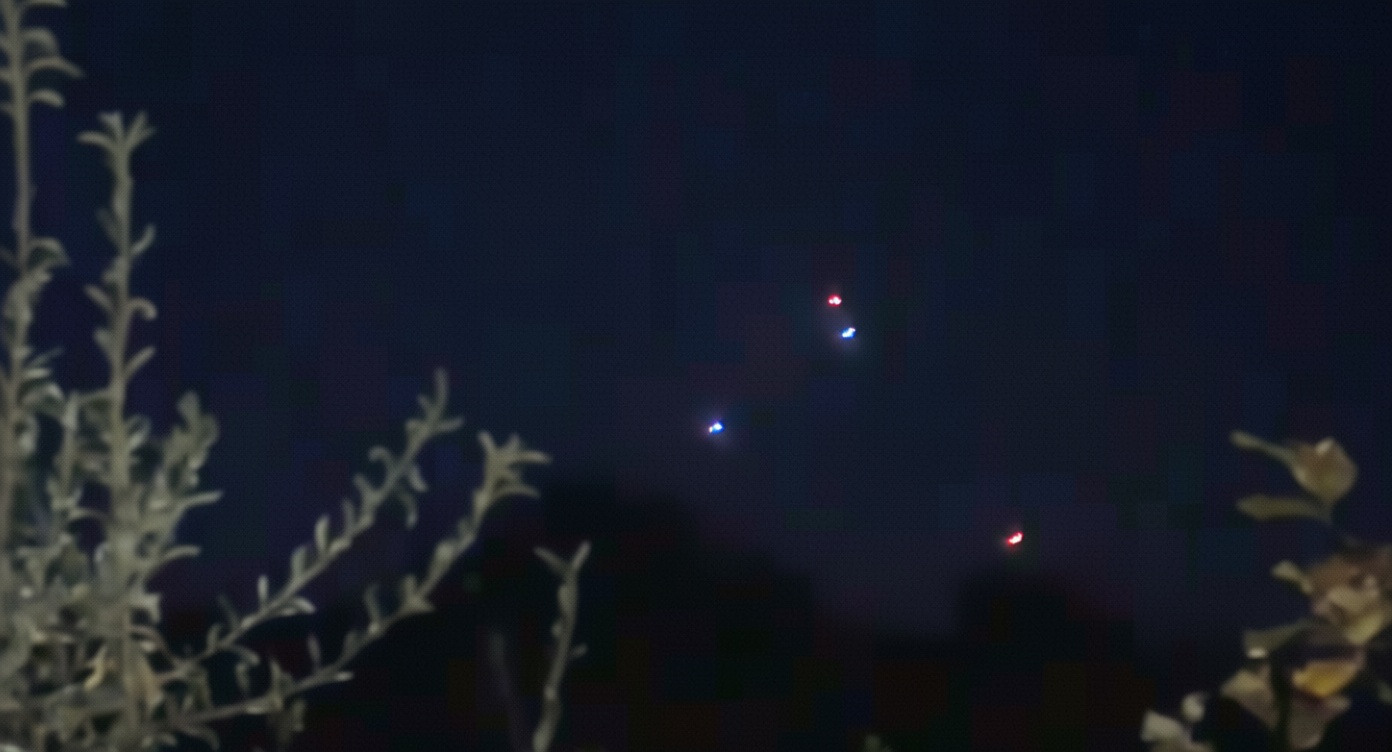
Overview
The Pentagon on July 10, 2026, released 40 new UFO-related files, including 19 videos, in the latest installment of its rolling public disclosures on unidentified anomalous phenomena, or UAP. The release marks the fourth tranche of records made available this year, following earlier batches in May and June 2026. According to the source material, the newly posted records include a mix of historical documents and reports describing unexplained phenomena, continuing the government’s gradual effort to expand public access to UAP-related material.
The latest disclosure arrives amid sustained public and congressional interest in how the U.S. government collects, evaluates, and classifies unusual aerial encounters. While the release adds more footage and documents to the record, it does not, on its face, provide a definitive explanation for the incidents described. Instead, it broadens the archive of material available for researchers, journalists, and the public to review as the government continues its disclosure process.
Key Details in the Release
The 40-file release is notable not only for its size, but for the range of material included. The 19 videos are likely to draw the most attention, as visual records have often driven public interest in UFO and UAP reporting. The remainder of the tranche includes documents that the source describes as historical in nature, suggesting that the collection spans more than one era of government recordkeeping.
The files also include references to unexplained phenomena reports, indicating that some entries may document incidents that were not resolved at the time they were filed. That does not necessarily mean the records point to extraordinary conclusions; rather, it underscores a familiar feature of UAP reporting, in which observations may remain unconfirmed because of limited data, incomplete sensor coverage, or the difficulty of identifying objects in motion.
Context for the Ongoing Disclosures
This release follows a pattern established earlier in 2026, when the Pentagon began issuing records in staged tranches rather than in a single large archive dump. The approach allows officials to manage review, redaction, and classification concerns while steadily expanding public access. It also reflects the broader shift in Washington’s handling of UAP issues, which in recent years has moved from fringe speculation to a more formal national-security and transparency framework.
For observers of the issue, the significance of the July 10 release lies less in any one file than in the cumulative effect of repeated disclosures. Each tranche adds context to the government’s historical record and provides additional material for comparison with earlier reports. At the same time, the releases continue to stop short of offering a single, conclusive narrative about what the military or intelligence community has encountered in the skies.
What Comes Next
With the fourth batch now public, attention is likely to turn to whether additional tranches will follow later this year and what patterns may emerge across the files already released. As with earlier disclosures, the challenge for analysts will be separating verified observations from speculation and determining which incidents can be explained by conventional means and which remain unresolved.
For now, the Pentagon’s latest move reinforces a central point in the UAP debate: the government is releasing more records than it once did, but the question of what some of those events represent remains open.