Overview
The Pentagon on Friday released its sixth batch of files on unidentified anomalous phenomena (UAP), continuing a transparency effort that has steadily expanded public access to government records on unexplained aerial encounters. The latest release includes 71 files in total — 67 from the Defense Department and four from local law enforcement in Colorado — and spans material dating from 1952 to 2025. Most of the records remain heavily obscured: 64 of the 71 files contain redactions, underscoring how much information is still being withheld even as the government publishes more material.
Key Details
The most notable documents concern the Advanced Aerospace Weapon System Applications Program (AAWSAP), a secretive military initiative established by the Defense Intelligence Agency in 2008 and ended in 2012. According to the Pentagon’s release, the program was designed to study long-term aerospace threats and evaluate technologies that could reshape future military capabilities. One statement of objectives says the work was intended to understand “the physics and engineering” of advanced aerospace applications as they relate to foreign threats through the year 2050, with a focus on “breakthrough technologies” that could create major discontinuities in existing trends.
As part of that effort, the release includes 37 Defense Intelligence Reference Documents, or DIRDs, covering topics such as warp drives, wormholes, antigravity, negative mass propulsion and invisibility cloaking. These papers have been publicly available for years through earlier Freedom of Information Act releases, but the Pentagon’s latest versions contain some previously withheld details, including the names of the offices that produced them. Officials also emphasized that the reports are “reference and synthesis products rather than original research” and should not be interpreted as validating the concepts discussed.
Human Effects and Historical Reports
Among the more technical items in the batch is a 38-page study from 2010 examining what it described as evidence of unintended injuries to human observers during anomalous aerospace-related events. The document recounts the cases of three fit and active individuals who experienced unusual incidents and later reported symptoms such as heat and redness on the skin, hair loss and other medical effects. While the report explores whether these injuries could be tied to unknown advanced systems, the language in the file remains careful and analytical rather than definitive, reflecting the broader challenge of separating anecdote, speculation and evidence in UAP research.
Why It Matters
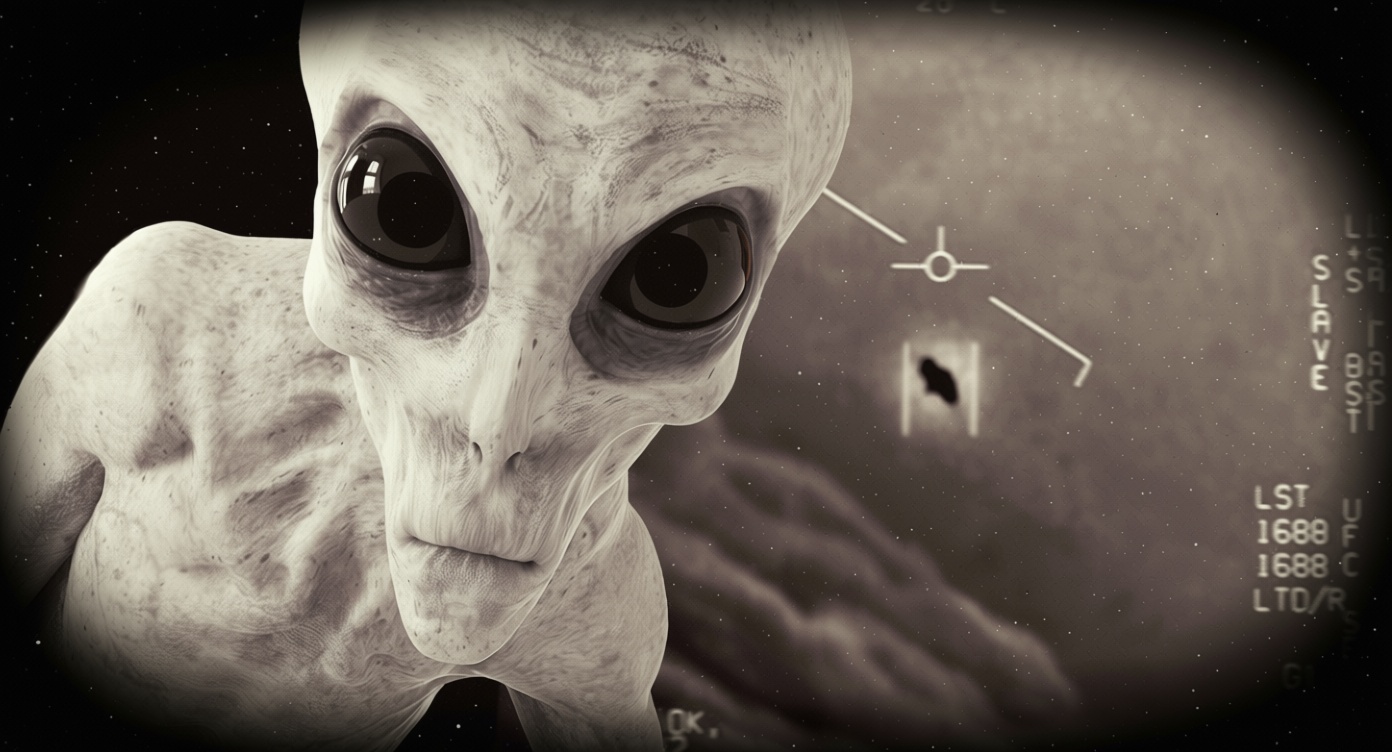
The release also includes videos of unexplained objects and older sightings, including reports dating back to 1952, adding historical depth to a file set that increasingly stretches across generations of UAP recordkeeping. For researchers, skeptics and the public alike, the Pentagon’s continuing disclosures are notable not because they resolve the mystery, but because they show how seriously military and intelligence agencies have treated the subject over time. At the same time, the heavy redactions and the technical, sometimes speculative nature of the documents highlight a central tension in UAP transparency: the government is releasing more information, but not yet enough to close the gaps in what is known.