Overview
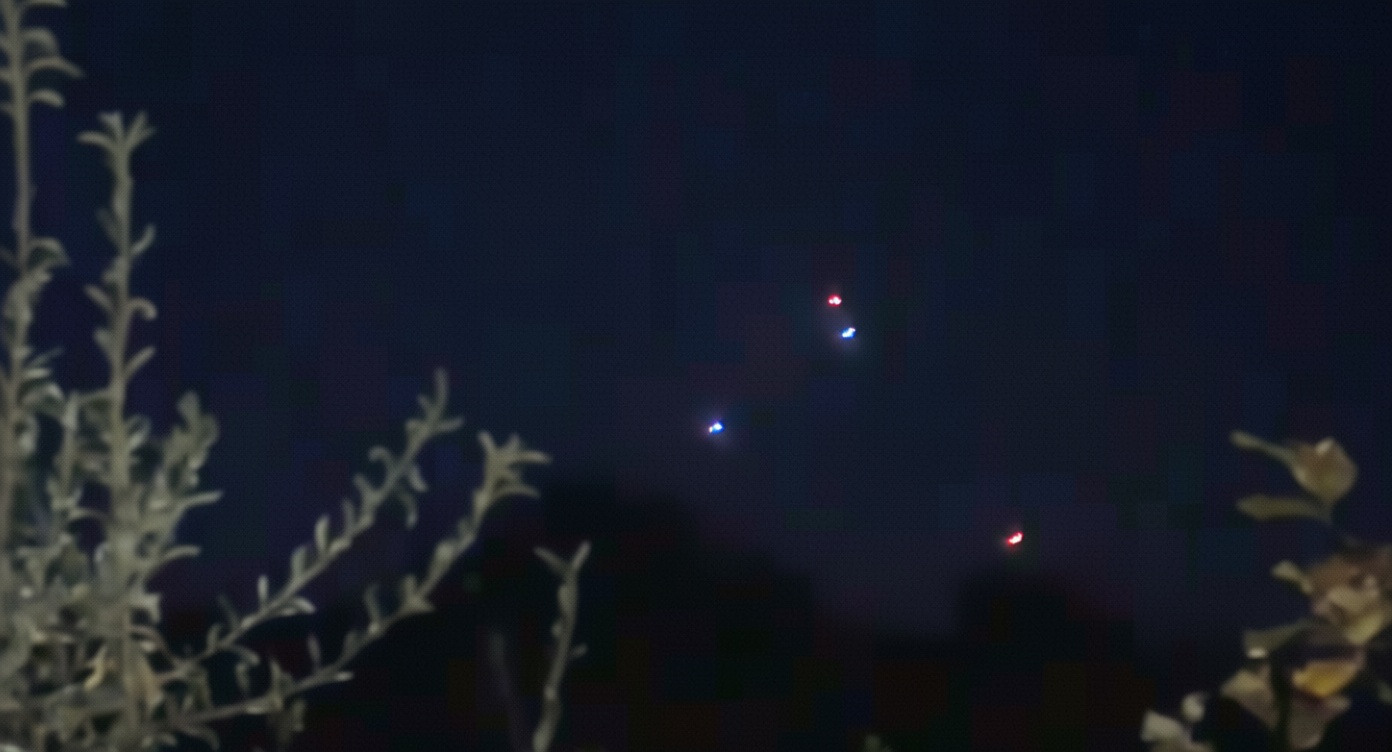
A recent Pentagon report on Unidentified Anomalous Phenomena (UAP) has renewed attention on unexplained aerial activity off the Virginia Beach, Virginia coast, including a maritime incident that reportedly involved roughly 100 airborne objects and two likely uncrewed surface systems. The findings were highlighted in a broadcast on the BMiles84 Conscious Channel, where host BMiles discussed the document released by the All-domain Anomaly Resolution Office (AARO), the Department of Defense office responsible for investigating unexplained sightings and encounters.
The report, covering a 12-month period ending May 31, 2025, says there were more than 300 UAP sightings nationwide during that span. While the Pentagon has been able to account for some of those cases, fewer than half reportedly received explanations, leaving a substantial number unresolved. That lack of resolution continues to fuel concern among lawmakers and military observers, particularly when incidents involve areas near sensitive maritime and naval operations.
Virginia Beach Incident Draws Attention
The most notable case referenced in the report involves U.S. Navy assets operating off the Virginia Beach coast. According to the summary of the Pentagon document, the incident was classified as maritime-related and included an unusually large number of objects detected in the area. The report reportedly identifies about 100 airborne UAPs alongside two likely uncrewed surface systems, although the publicly described version of the 14-page document does not provide detailed sensor data, visual confirmation, or a full timeline of the event.
That limited disclosure has left key questions unanswered, including whether the objects were connected to foreign surveillance platforms, experimental systems, or some other form of activity. In the absence of fuller technical detail, the case remains one of the more unusual entries in the current AARO accounting. The concentration of sightings near naval assets also raises the stakes, as any unexplained activity in such an environment can be treated as a potential operational or security concern.
Lawmakers Cite Ongoing Security Risks
Sen. Tim Kaine (D-Va.), who serves on the Senate Armed Services Committee, said the report underscores the need for stronger defenses against systems that can be launched from either land or water. His remarks reflect a broader concern within Congress that unmanned or unidentified technologies are increasingly difficult to track and categorize, especially when they appear near military installations or in coastal waters.
Kaine also pointed back to earlier testimony from a Navy pilot stationed at Naval Air Station Oceana, who described unexplained phenomena detected by instruments about 10 miles offshore. According to Kaine, those incidents occurred “night after night” and still have not been fully explained. The repeated nature of the reports has made the Virginia Beach area a continuing point of interest for investigators and lawmakers alike.
Broader Implications for AARO
The Pentagon’s report reinforces the message that UAP cases remain both a scientific puzzle and a national security issue. Officials have said that if these phenomena are ultimately verified as real objects or systems, they could represent an “unmitigated threat” to U.S. security interests. At the same time, AARO’s mandate is to separate credible cases from misidentifications, sensor anomalies, and routine activity that may initially appear unusual.
For now, the Virginia Beach case stands as one of the most prominent unresolved maritime sightings in the latest Pentagon accounting. As AARO continues its review of remaining unexplained incidents, the focus is likely to remain on whether these detections point to advanced foreign technology, misinterpreted sensor data, or something not yet fully understood.