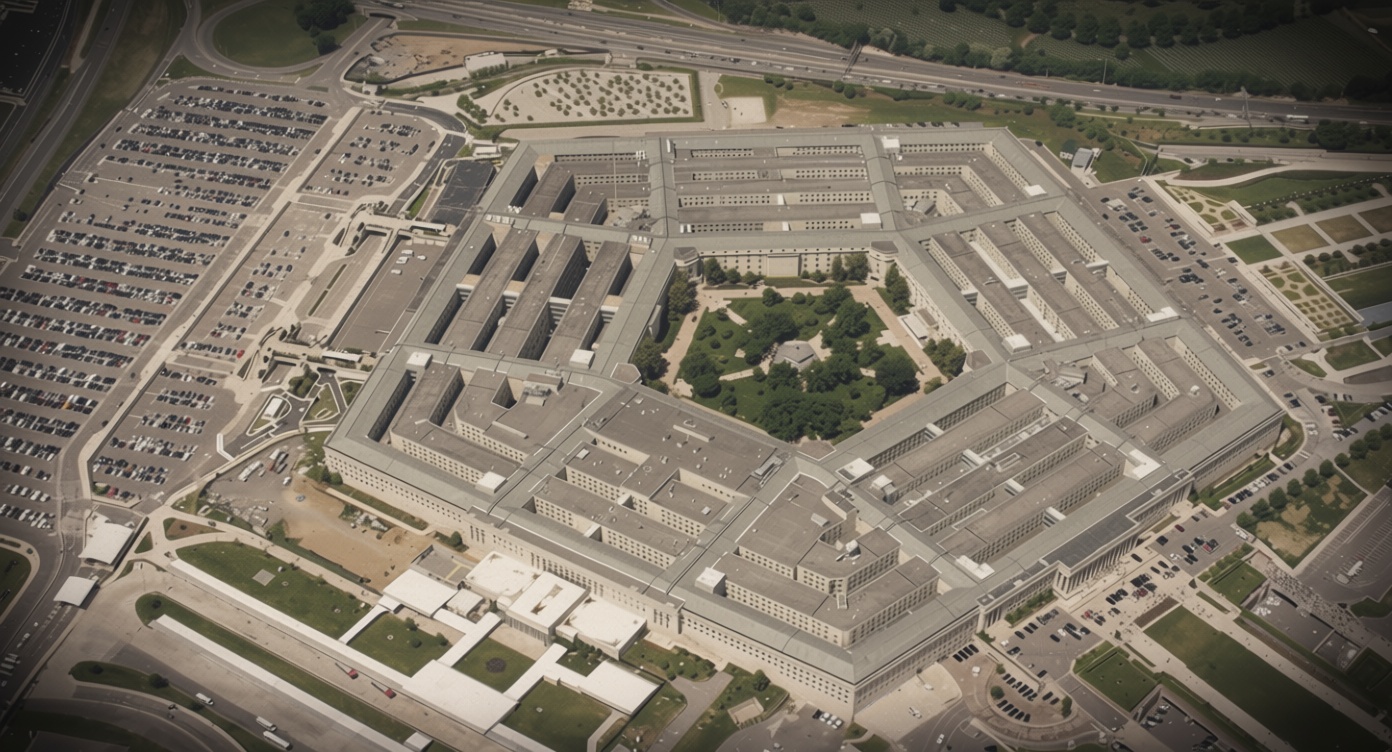
Overview
A recent Pentagon report from the All-Domain Anomaly Resolution Office (AARO) has added another notable entry to the growing public record of unexplained military-related sightings, this time involving an incident off the Virginia Beach coast. According to the report highlighted by WAVY, the case describes an extensive UAP sighting that was observed in detail and remains unresolved, underscoring how many incidents continue to move through official review without a public explanation.
The Virginia Beach case comes at a time when interest in unidentified anomalous phenomena (UAP) has steadily increased, particularly after the Defense Department began releasing more information about encounters reported by military personnel. While the report does not appear to settle the matter, it places the sighting among the expanding list of cases AARO has publicly documented as part of its broader effort to assess whether unusual aerial activity can be explained through conventional means.
What the Report Adds
AARO’s role is to evaluate reports from across the U.S. government involving unusual activity in the air, space, and maritime domains. In this instance, the Virginia Beach-area sighting was significant enough to be included in a Pentagon report, indicating that the event met the threshold for formal review. The key takeaway is not that the mystery has been solved, but that it has been documented and is still under investigation.
The source material does not provide a full breakdown of the encounter’s exact timing, sensor data, or the number of witnesses involved, but it makes clear that the sighting was observed in detail and remains part of AARO’s ongoing work. That distinction matters: many public UAP cases are initially reported with limited information, but military reports often carry added weight because they can involve trained observers, radar, or other technical collection systems.
Why the Location Matters
The fact that the sighting occurred off the Virginia Beach coast is also notable because the region sits near one of the most active military and maritime corridors on the East Coast. Hampton Roads is home to a major concentration of naval and aviation activity, making it a place where unusual aerial reports may draw heightened attention from both military authorities and the public. Incidents in such areas are often scrutinized closely because they can intersect with national security, air safety, and training operations.
That context helps explain why even a single unresolved report can attract attention beyond the local market. In recent years, Pentagon disclosures have shifted UAP reporting from fringe speculation toward a more structured public conversation about classification, detection, and risk assessment. The Virginia Beach case now joins that broader narrative.
Ongoing Investigation and Broader Context
For now, the report appears to leave the incident open-ended. No official explanation has been publicly released, and the case remains part of the Pentagon’s ongoing investigation into unidentified phenomena. That outcome is consistent with many AARO cases, which can range from misidentified aircraft or atmospheric effects to incidents that remain unexplained after review.
The public release of such reports reflects a broader shift in how the government is handling UAP claims: not as tabloid curiosity, but as potential matters of operational awareness and defense interest. Whether the Virginia Beach sighting ultimately proves mundane or extraordinary, its inclusion in an AARO report adds another data point to an evolving record of military-related UAP encounters that the Pentagon is now making more visible to the public.