Overview
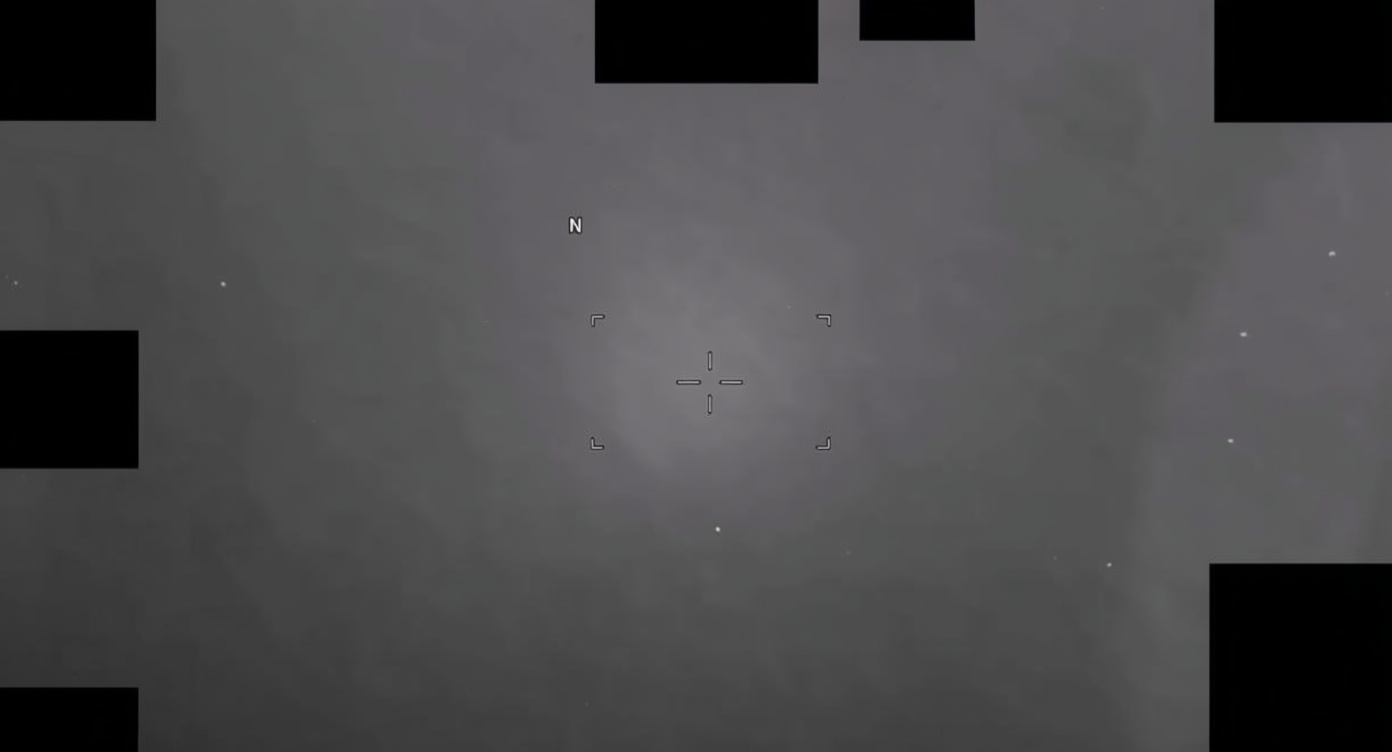
The Pentagon has reportedly declassified three military sensor videos involving unidentified anomalous phenomena (UAP), according to a Fox News video report published through Yahoo on Nov. 26, 2026. The clips are described as part of the Pentagon’s eighth batch of released UAP material and are dated 2020, 2023 and 2026.
The report says the footage shows U.S. military sensors tracking objects that remained unexplained at the time of observation. However, the material provided with the report does not identify the objects, disclose where the incidents occurred or explain whether defense officials have reached conclusions about their nature. No evidence in the source indicates that the videos depict extraterrestrial technology.
What the Release Shows
According to the accompanying description, the newly released clips capture military systems monitoring anomalous objects. The use of the term “sensor videos” is significant: Such footage may come from electro-optical, infrared or other surveillance systems, and can present only a limited view of an event. Apparent speed, size and movement can be difficult to assess without information about the sensor’s settings, the aircraft’s motion, weather conditions and the object’s distance.
The three dates span a period during which the U.S. government has increased its public attention to UAP reporting. The 2020 video is from the early period of the Pentagon’s modern public disclosures, while the 2023 and 2026 clips suggest that the department continues to review and release material from more recent encounters. The report characterizes the release as the Pentagon’s eighth UAP batch, although the supplied source does not provide a complete list of previous releases or explain how the batches were numbered.
Context and Remaining Questions
The publication comes amid continuing efforts by the Defense Department and Congress to bring greater structure to reports of unidentified objects observed by military personnel. In official discussions, UAP generally refers to objects or airborne events that cannot immediately be identified—not necessarily craft of unknown origin. Potential explanations can include aircraft, drones, balloons, atmospheric effects, sensor artifacts or classified systems.
For that reason, a video’s classification as UAP does not establish that an object is technologically extraordinary. Analysts typically require corroborating radar, infrared, visual and communications data, along with flight-path information and testimony from personnel involved in the event. The source material does not state whether such supporting information has been released alongside the clips, nor does it say whether the Pentagon has reclassified any of the incidents as conventional objects or sensor-related anomalies.
The release also leaves open questions about the videos’ chain of custody, the sensors used to record them and the reasons the material was previously withheld. Those details will be important for independent assessment. Until the Defense Department publishes accompanying documentation or offers a formal analysis, the clips should be treated as records of unresolved military observations, rather than proof of a particular explanation.