Overview
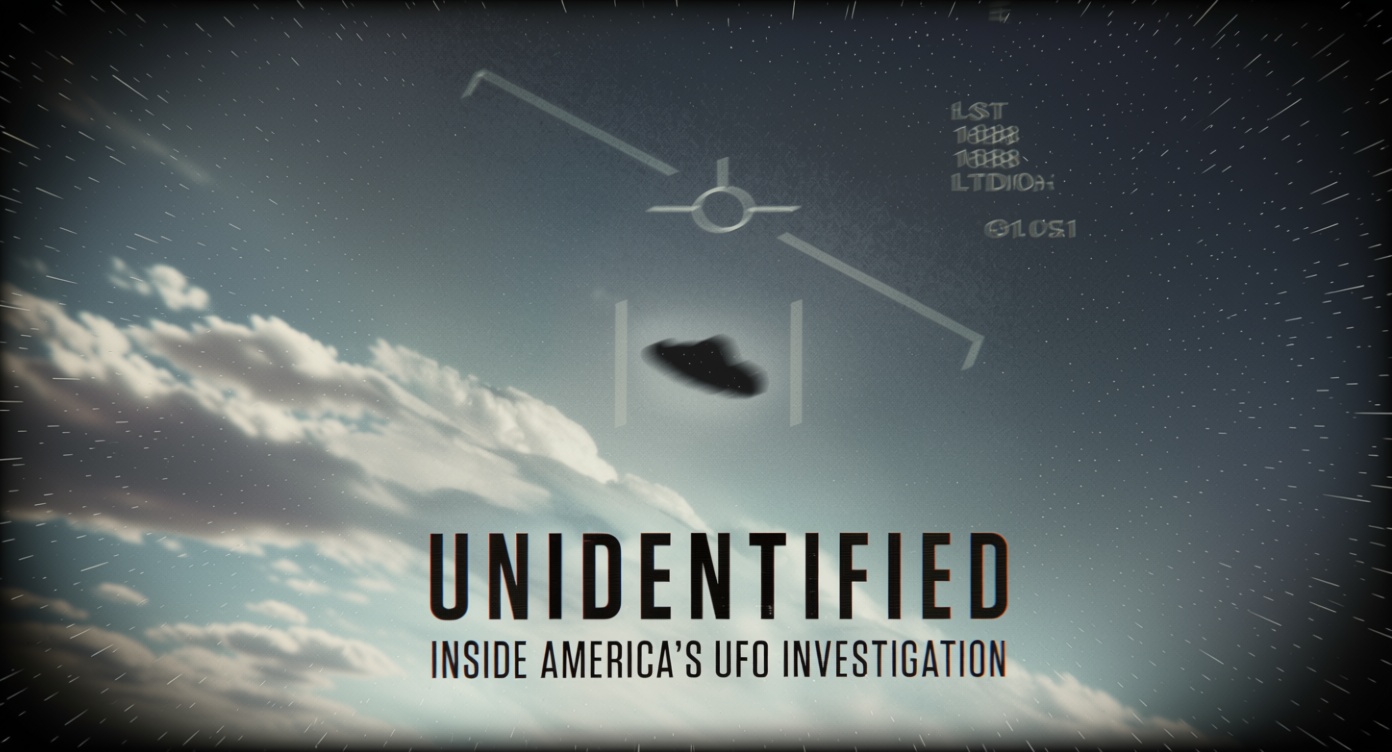
A newly discussed Pentagon UAP release is drawing attention to a striking historical pattern: unidentified objects have reportedly been observed over nuclear sites for 77 years, with every recorded case still unresolved. The account adds to a growing body of public interest in unexplained incidents near sensitive military and atomic facilities, where reports have persisted across decades and across changing eras of defense technology.
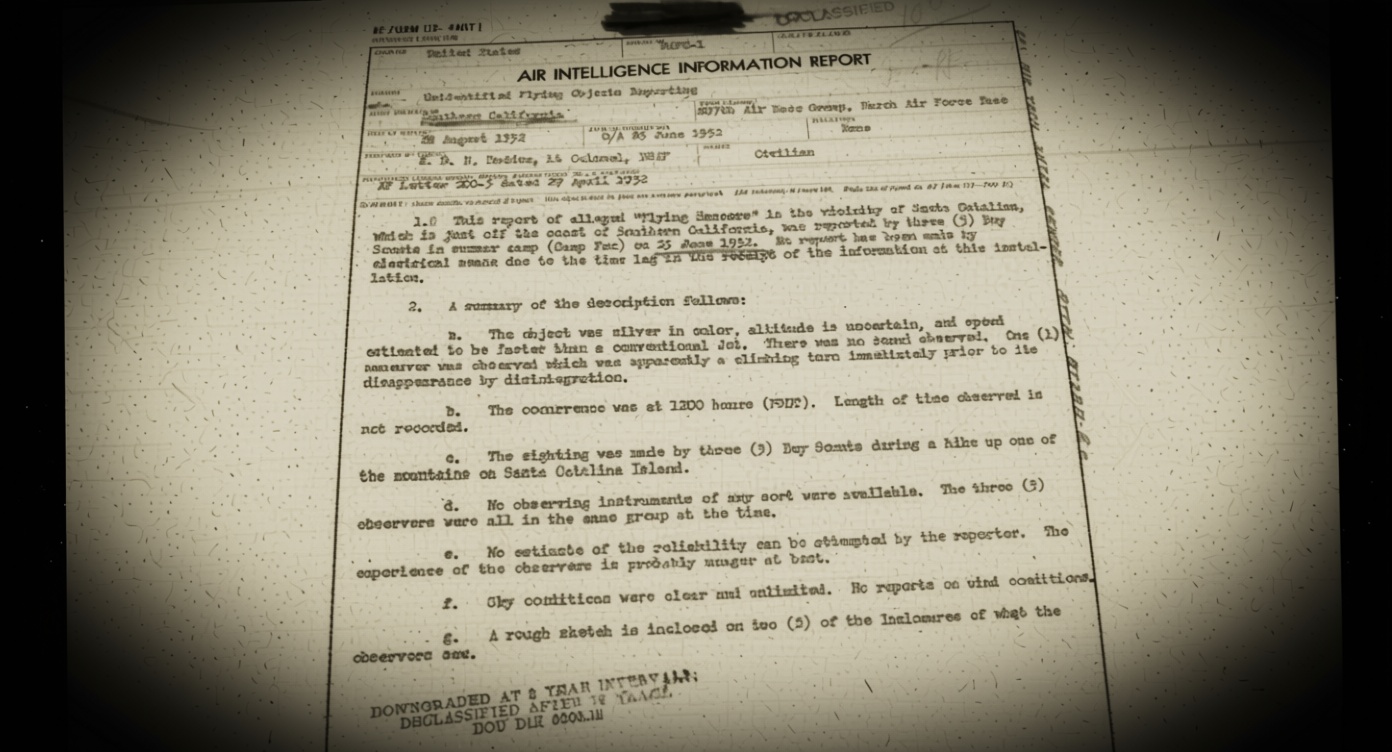
According to the summary of the release, the sightings stretch back to 1949, suggesting that the phenomenon is not a recent development tied to modern drone activity or today’s surveillance environment. Instead, the records point to a long-running sequence of events in which unusual objects have appeared near highly secure locations, yet no official explanation has definitively closed the books on any of them.
A Long Pattern Around Nuclear Facilities
The significance of these reports lies not only in their longevity, but also in their repeated connection to nuclear sites. Facilities tied to atomic weapons, energy production and strategic deterrence are among the most heavily protected places in the world, making unexplained incursions especially notable. If the account is accurate, the persistence of these sightings raises questions about whether they represent foreign surveillance, technical anomalies, misidentifications or something still beyond current understanding.
What stands out in the Pentagon release, as summarized, is that no case has been resolved. That does not necessarily mean the incidents were extraordinary in every instance; it does indicate that the available evidence has not been sufficient to produce a conclusive explanation. In UAP reporting, that distinction matters. An unresolved file is not proof of an unknown technology, but it does show that investigators have not been able to confidently identify every object or event.
Why the Issue Continues to Matter
The nuclear connection has long made UAP reports more than a matter of curiosity. Incidents near these sites can raise broader concerns about security, surveillance and airspace awareness, especially when witnesses include military personnel or when sightings occur in restricted areas. For defense officials, unexplained activity around such sites can be operationally relevant even when no immediate threat is confirmed.
Public interest in these cases has also increased as governments have become more willing to acknowledge the existence of UAP investigations, even while cautioning against drawing premature conclusions. The latest release appears to reinforce a familiar theme in the modern UAP debate: the evidence remains incomplete, but the pattern is persistent. Whether the explanation turns out to be prosaic, classified or genuinely unknown, the historical record continues to leave important questions open.
What the Release Suggests
Taken together, the report highlights a central tension in UAP reporting: the gap between recurring testimony and unresolved evidence. Seventy-seven years of sightings over nuclear sites is a compelling timeline, but it is not, by itself, a scientific conclusion. What it does show is that these incidents have been documented long enough, and in enough sensitive settings, to remain a subject of serious review.
For now, the Pentagon release appears to underscore continuity rather than closure. The objects may have changed in appearance, witnesses and technology have evolved, but the core issue remains the same: unexplained activity over nuclear sites keeps reappearing in the record, and the official explanations have yet to settle every case.