Overview
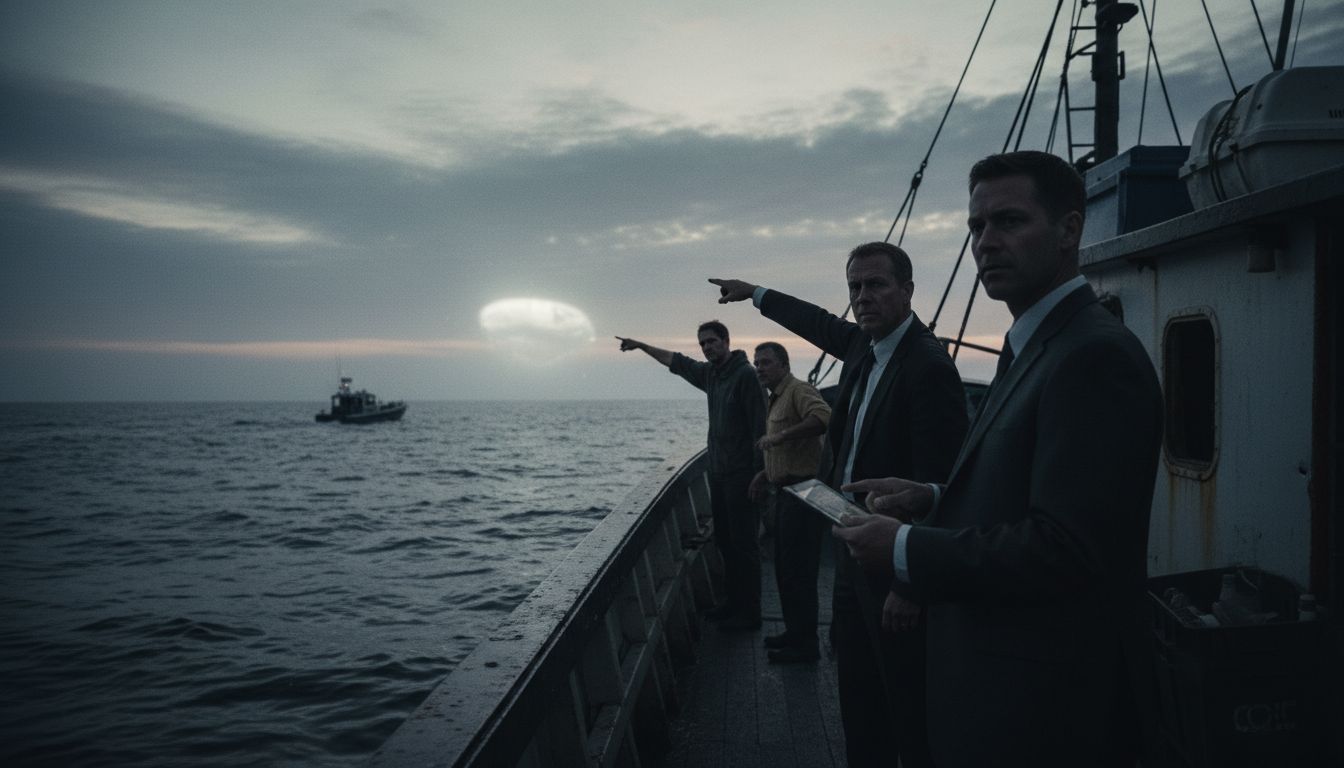
A new Pentagon report from the All-Domain Anomaly Resolution Office (AARO) has highlighted an unexplained aerial sighting off the Virginia Beach coast, drawing fresh attention to one of the nation’s most closely watched UAP regions. The report, released this week, references an extensive case involving unusual activity over coastal waters and places the incident among a broader set of unresolved observations the office continues to review. While the Pentagon has not identified the object or objects involved, the inclusion of the Virginia Beach case underscores that the military’s formal UAP investigations remain active and, in some instances, inconclusive.
What the report says
According to the latest update, the Virginia Beach event is one of the more notable sightings reviewed by AARO, which is tasked with collecting, analyzing, and resolving reports of unexplained phenomena across the air, sea, space, and cyber domains. The office’s reports typically distinguish between cases that can be explained by weather, aircraft, satellites, balloons, or sensor artifacts and those that remain unresolved because of limited data or incomplete corroboration. In this instance, the report points to a sighting off the coast rather than over land, adding another maritime element to a long-running file of cases in the Hampton Roads region.
Regional context
The Virginia Beach area has long attracted attention in UAP discussions because of its proximity to major military installations, flight corridors, and busy Atlantic shipping lanes. That combination can make it difficult to quickly determine whether an unusual appearance on radar or video is tied to routine defense activity, commercial traffic, environmental conditions, or something less easily identified. The latest report does not suggest a national security threat, but it does indicate that unexplained incidents continue to surface in an area already known for heavy military and aviation activity. For local observers, that keeps Hampton Roads on the map as a recurring point of interest in the Pentagon’s UAP portfolio.
Broader Pentagon effort
AARO’s work is part of a wider government effort to take UAP reports more seriously and to separate misidentification from genuinely unresolved cases. In recent years, Pentagon officials have emphasized that most sightings ultimately receive conventional explanations, but a smaller subset remains open because investigators lack enough reliable evidence to reach a conclusion. The Virginia Beach case fits that pattern. Its inclusion in the report shows that the government is still documenting and tracking sightings rather than dismissing them outright, even when the available information stops short of a definitive answer.
What happens next
For now, the sighting off Virginia Beach remains one more entry in an expanding database of unresolved aerial and maritime incidents. AARO’s continued review will likely focus on whether additional sensor data, witness accounts, or defense-related records can clarify what was observed offshore. Until then, the Pentagon’s latest report leaves the case open—and places renewed emphasis on the challenge the government faces in evaluating UAP reports in complex environments where routine activity, advanced technology, and limited visibility can all blur the picture.