Overview
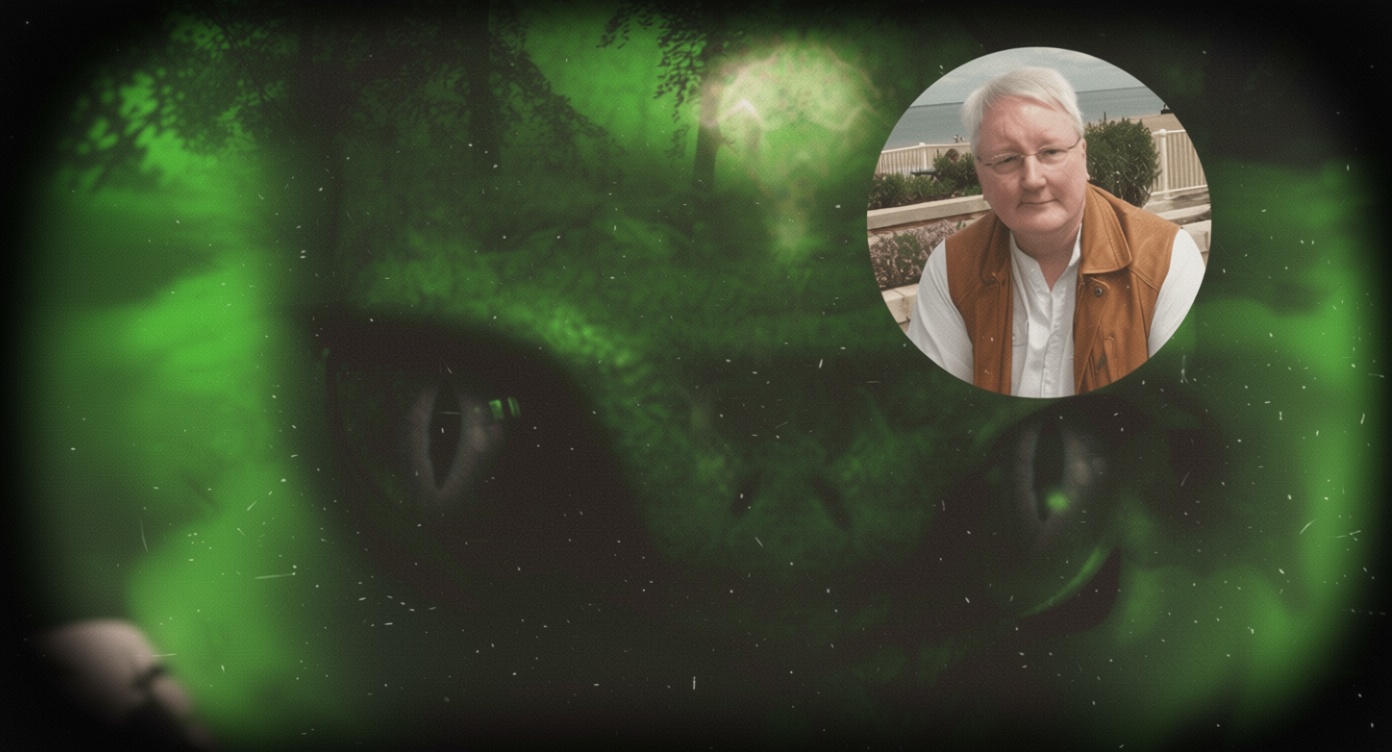
Public interest in UFOs and alleged alien encounters appears to be surging again, and Philip Mantle believes the renewed attention is feeding a broader appetite for serious, measured coverage. The Pontefract-based ufologist and publisher, who has spent decades investigating UK close encounters, told the Yorkshire Evening Post that the topic is “very high” in public visibility, even if not at an all-time peak. He noted that increased attention from politicians, filmmakers and the media tends to produce more documentaries, more newspaper reports and, ideally, more “sensible coverage” rather than sensationalism.
Mantle’s comments come at a moment when UFO discourse is once again drawing international headlines, particularly in the United States, where members of Congress have pushed for more transparency around unexplained aerial phenomena. But Mantle urged caution about expectations of dramatic revelations. “You’re assuming they’ve got something to disclose in the first place, which is a huge assumption,” he said, stressing that investigators typically work with witness reports rather than direct evidence of the phenomenon itself.
From factory work to ufology
Mantle’s own route into the field was far from glamorous. He described himself as “an ordinary lad from West Yorkshire,” recalling a background shaped by working-class life rather than academic or military circles. His father worked in the coal mines, and Mantle spent years in factory work before a fascination with the unexplained began to take hold in his teens. A pivotal moment came in 1979, while he was working in West Germany and struggling with the language barrier. He asked his mother to send reading material from home, and, as he recounted, “a box of books arrived, and hey presto, they were all about UFOs.”
That interest deepened after he returned to West Yorkshire in May 1979 and spotted a small advertisement in the Yorkshire Evening Post announcing the formation of the Yorkshire UFO Society. For Mantle, the moment helped transform curiosity into a lifelong research path. His experience reflects a recurring theme in ufology: many of the field’s most persistent voices come not from official institutions, but from people who became involved after a personal encounter, a local meeting or a single book that changed how they viewed the sky.
Why the human story matters
Mantle’s current work continues that emphasis on the lived reality of experiencers. His novel Once Upon A Missing Time is rooted in real accounts of alleged alien abduction, but Mantle says the project is less about science-fiction spectacle than about the emotional consequences for those involved. He has framed the book around trauma, isolation and disbelief, arguing that the people who say they have had these experiences are often ordinary individuals coping with extraordinary claims.
That focus also helps explain why the book is part of an upcoming book-to-screen project. According to the report, the adaptation aims to bring British alien abduction stories to a wider audience while preserving the human dimension at the center of the narrative. Mantle’s approach suggests a contrast with more sensational portrayals of UFOs, leaning instead toward stories about memory, fear and the social cost of speaking out about encounters that many outsiders still dismiss.
Broader UFO coverage
The renewed conversation around UFOs is not limited to Mantle’s work. Recent coverage has also highlighted a podcast interview with veteran researcher Kevin D. Randle and a photographic history of UFO imagery, both of which point to a field increasingly interested in documentation, context and cultural memory. Taken together, the stories underscore a central theme running through modern UFO reporting: beyond the lights in the sky, the subject is also about the people who see them, the communities that form around them and the challenge of separating evidence from belief.