Overview
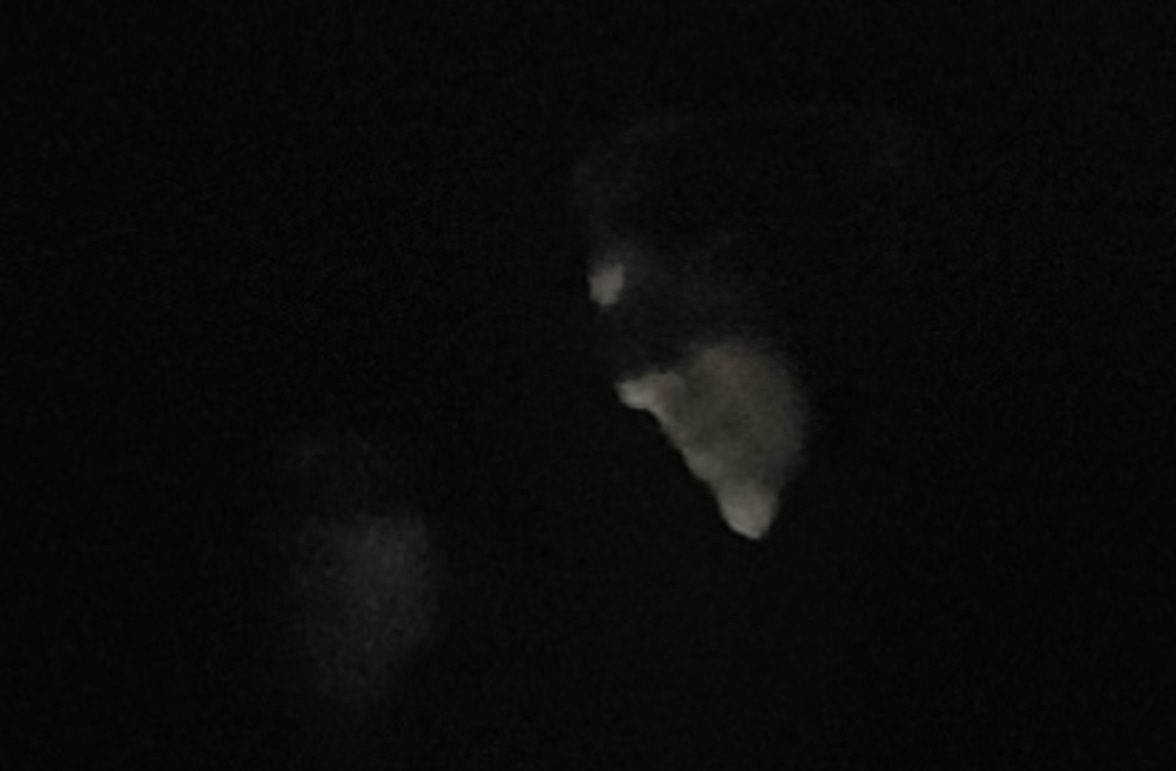
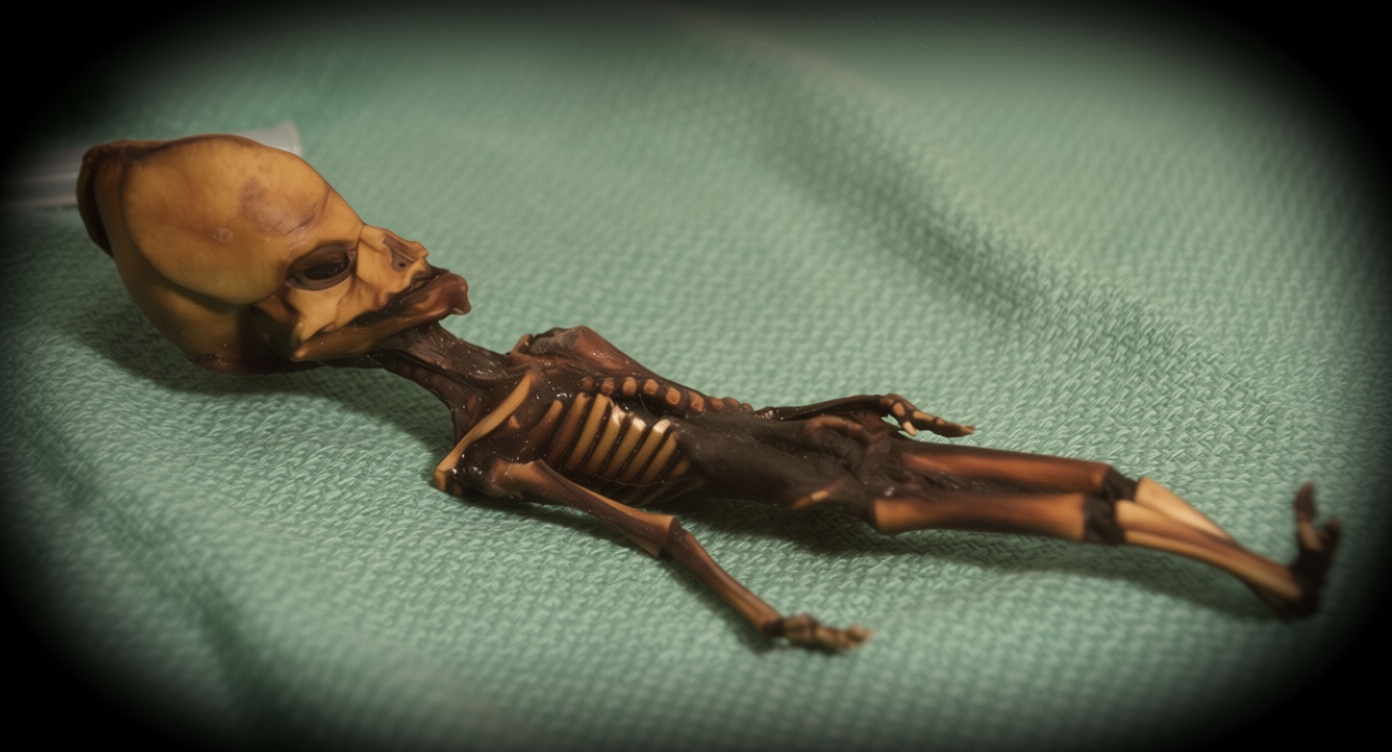
A photograph titled “Humanoide de Atacama” is reportedly associated with an image taken near San Pedro de Atacama, Chile, on September 24, 2016. The image is attributed to Francisco Muñoz, although the available source material does not provide additional information about the photographer, the circumstances of the sighting, or the original publication of the photograph.
The title, which translates approximately as “Atacama Humanoid,” suggests that the figure was interpreted by the person presenting the image as humanoid in appearance. However, the available description is limited to “a stick figure that is dark with what looks like a head.” No further identifying features, scale references, movement details, or environmental context are provided.
What the Image Appears to Show
The photograph reportedly depicts a dark, upright form against the landscape near the Atacama Desert. Based on the brief description, the object appears to have a narrow or stick-like body and a shape resembling a head. These features may lead viewers to perceive the figure as human or humanoid, but the image alone does not establish what the object is.
There is no verified information indicating that the figure is an extraterrestrial being, an unknown biological entity, or a manufactured object. It could potentially represent a person, a distant object, a rock formation, vegetation, an artifact of perspective, or an image-processing anomaly. Without the original high-resolution file and additional photographs from the same location, it is difficult to assess the figure’s dimensions, depth, or relationship to the surrounding terrain.
Evidence and Verification
The available source consists primarily of a hosted image file and a short accompanying description. It does not include details about the camera used, exposure settings, weather conditions, the photographer’s vantage point, or whether other witnesses were present. There is also no documentation of the original file’s metadata, chain of custody, or any independent examination of the image.
Those omissions are important when evaluating unusual photographs. Image authenticity and subject identification require more than a compelling silhouette. Investigators would ordinarily seek the original, uncompressed photograph; metadata where available; nearby landscape references; additional images taken before or after the reported event; and testimony from the photographer. Analysis could also examine whether the shape is consistent with digital manipulation, compression, lens artifacts, or an ordinary object viewed at a distance.
Context
San Pedro de Atacama is located in northern Chile, a region known for its exceptionally dry climate, dramatic volcanic terrain, and expansive open landscapes. Its clear skies and remote surroundings have made the area a frequent subject of astronomical observation and unusual-sighting reports. Those characteristics can also create visual conditions in which distant objects, shadows, and rock formations are difficult to interpret accurately.
At present, “Humanoide de Atacama” remains an unverified photographic claim. The reported date, location, and attribution provide a basis for further inquiry, but the available material does not independently confirm the nature of the figure or demonstrate that the image documents a genuine unidentified phenomenon.