Overview
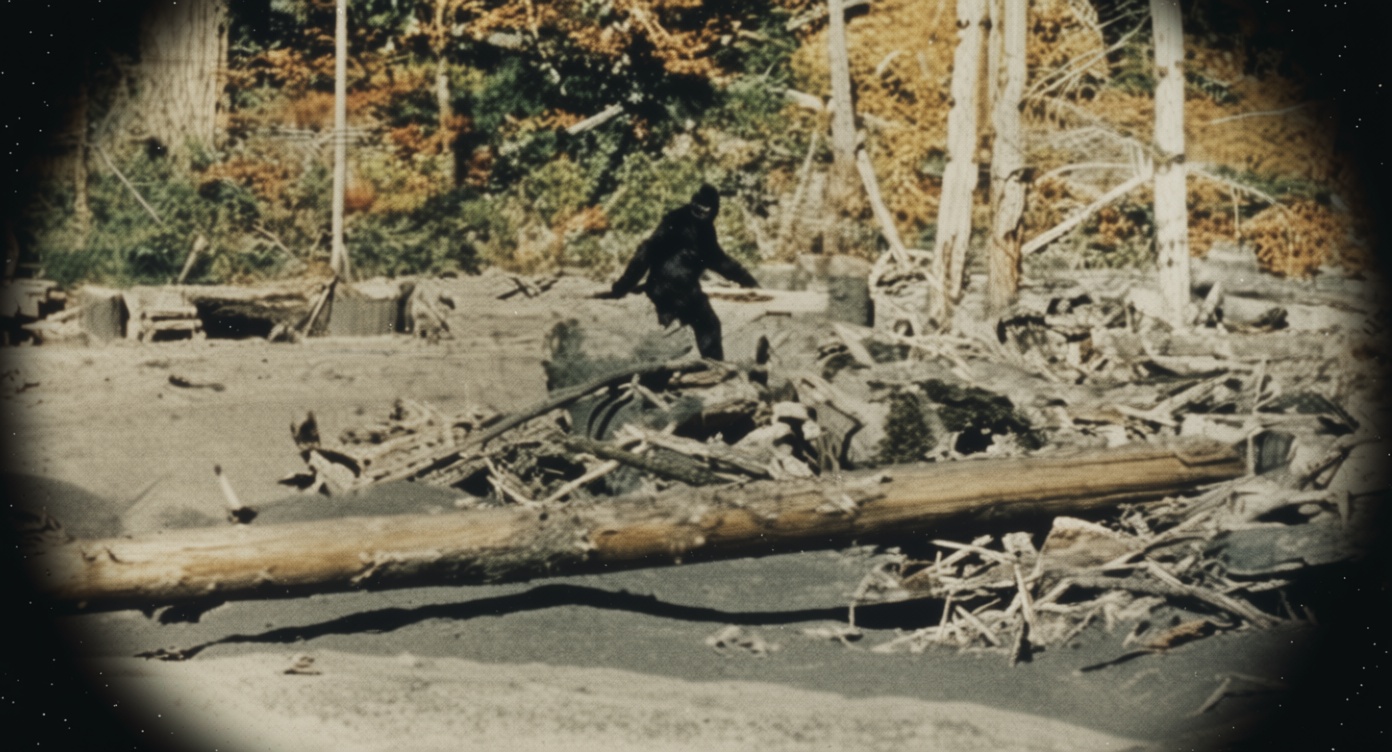
Photographs attributed to Argentine UFO researcher Dante Alberto Franch have resurfaced in an online archive, with captions claiming they depict extraterrestrial beings and unidentified craft observed in Argentina between 1986 and 1995. The collection includes images described as showing a “highly evolved” being, a macrocephalic figure, and a small entity nicknamed “Wiki,” said to resemble a teddy bear.
The material was published by Alien Archivist on October 1, 2026, and draws on photographs and descriptions associated with Franch’s work with FUPEC, an Argentine UFO organization. Franch was known not only as a UFO researcher but also as a self-described contactee who claimed repeated communications and encounters with nonhuman entities. The available source provides no independent verification of the photographs’ provenance, chain of custody, or authenticity.
The 1986 Cerro Pajarillo Account
One of the central accounts concerns an alleged event on January 9, 1986, near Cerro Pajarillo outside Capilla del Monte. Franch said that, at approximately 11:45 p.m., a communication directed him and a group of 12 people to an area behind the mountain. According to his account, a large luminous craft appeared, followed by several smaller objects that emerged from it and moved toward the witnesses.
Franch attributed the following message to the event: “Man must see in order to believe? This is the proof of our existence.” The statement reflects the contactee framework that characterized much of his work, in which alleged visitors were said to communicate directly with selected witnesses and provide physical or photographic evidence of their existence. The source material does not identify the other witnesses or provide independent contemporary documentation of the incident.
Images From Campo del Cielo
Several of the photographs are dated to Campo del Cielo in April 1992, a location in northern Argentina known for its meteorite fields. One image is captioned as showing a “highly evolved extraterrestrial being” being raised toward a craft by what Franch described as a tractor beam and a dimensional transfer doorway.
A second photograph from the same period is said to show four highly evolved extraterrestrial beings. Its accompanying description claims that their bodies vibrated at more than 900,000 cycles of atomic motion per second. That figure is presented as part of the original narrative, not as a measurement supported by an identified scientific instrument or published analysis. No technical examination of the image—such as film, lighting, photographic, or image-forensic analysis—is cited in the excerpt.
“Wiki” and the Zapala Photograph
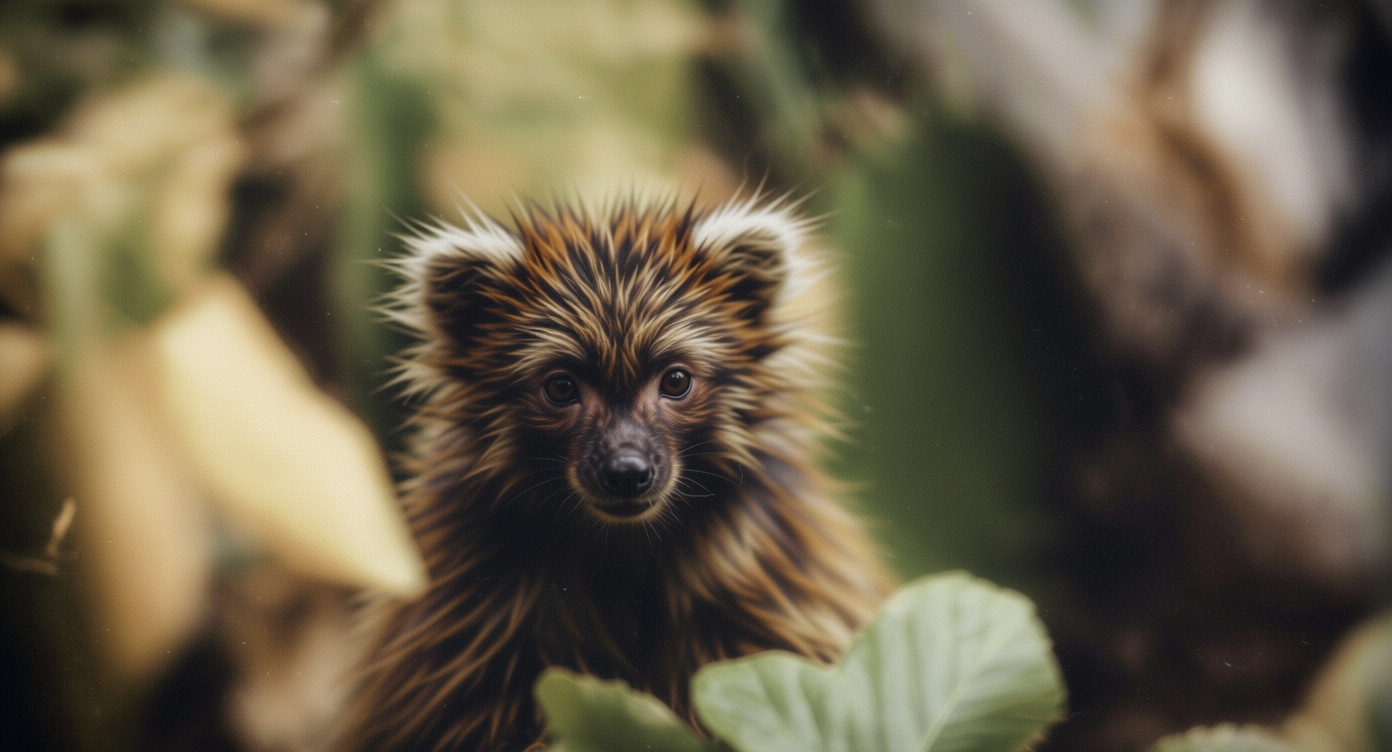
Another image, dated September 1994, allegedly shows a being called “Wiki.” Franch described the figure as approximately 30 centimeters tall, with an appearance resembling a “teddy bear,” and said it had been observed on multiple occasions at Campo del Cielo. The description offers no details about the circumstances of the observation, the camera used, or whether additional witnesses documented the alleged encounters.
The collection also includes a photograph identified as having been taken in Zapala, Neuquén Province, in March 1995. In a 1998 interview, Franch reportedly described images of this type as showing lenticular formations and said that the beings with whom he communicated had provided an explanation for them. However, the supplied excerpt ends before that explanation is completed.
Assessment and Context
Franch’s photographs form part of a broader Latin American UFO tradition in which alleged contact experiences, spiritual messages, and images of unusual figures are presented together as evidence. Their historical interest lies in documenting the claims and beliefs circulating within Argentine UFO networks during the 1980s and 1990s. They should not, however, be treated as authenticated evidence of extraterrestrial life without corroboration and independent technical investigation. Important unanswered questions include the original negatives, dates and locations of exposure, witness testimony, photographic metadata or laboratory analysis, and whether the images were staged, misidentified, altered, or affected by photographic limitations.