Overview
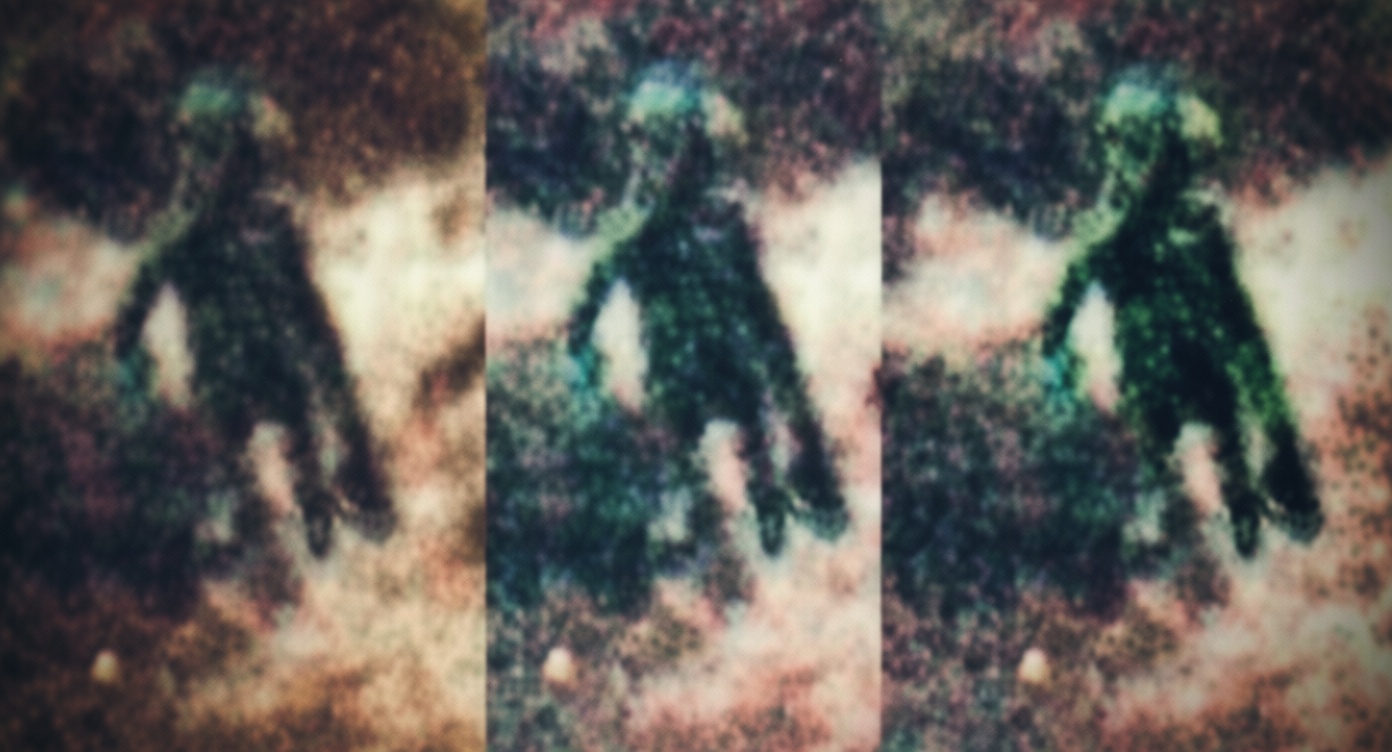
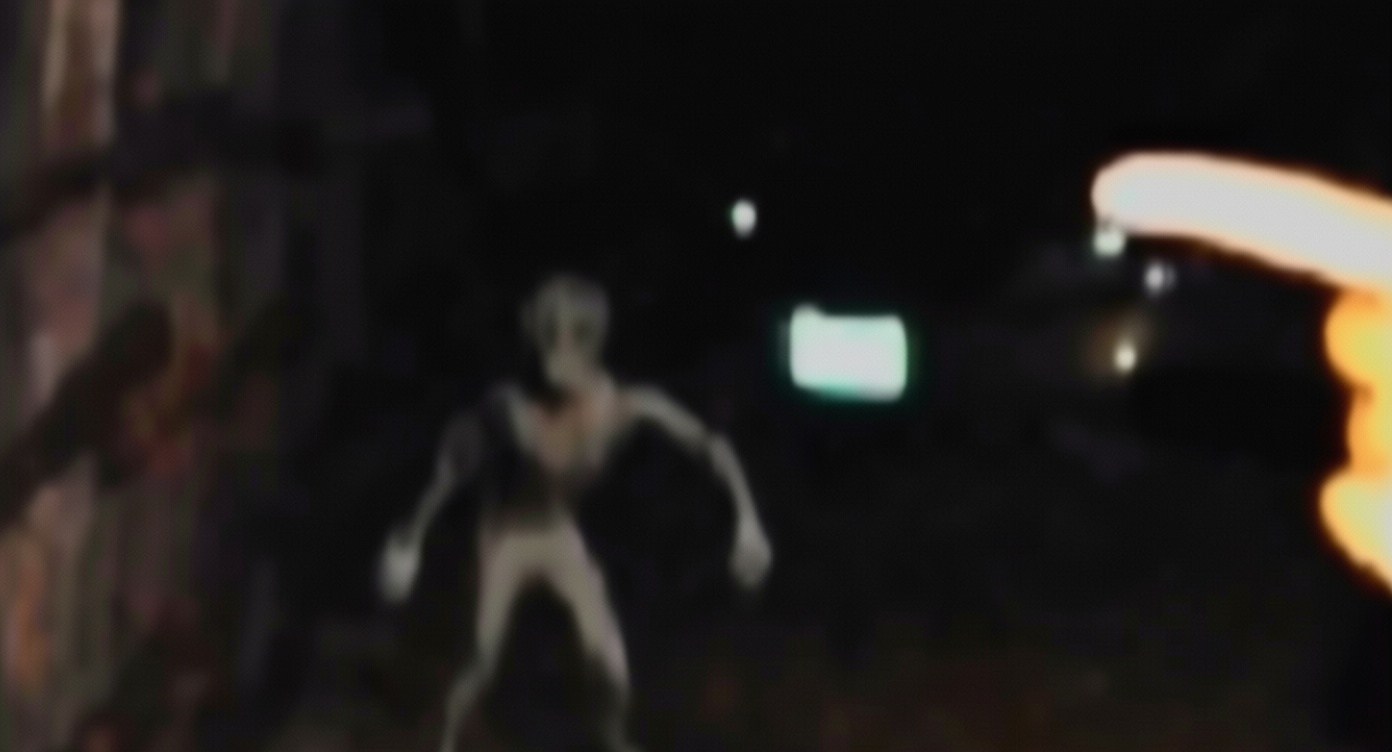
A series of photographs attributed to Iván Yeraldo Cisneros and Fernando Cárdenas has resurfaced in connection with the so-called Caso Álamo, an alleged encounter involving a small humanoid figure in Monterrey, Mexico. According to material published by Alien Archivist on October 31, 2026, the images were reportedly taken at Rancho El Álamo, in Nuevo León, on September 29, 2002. The photographs have been described by UFO proponents as depicting a “grey alien,” although that identification remains unverified.
The surviving material reportedly includes multiple nighttime images showing a small figure positioned in an open field. Footage presenting the photographs, attributed to television personality and UFO promoter Jaime Maussan, displays the caption “ÁLAMO, MONTERREY — 29 DE SEP. 2002.” That caption provides a claimed location and date, but the supplied source does not include original camera files, contemporaneous reports, witness statements, or documentation establishing when and by whom the images were created.
What the Images Allegedly Show
The photographs appear to depict a distant, humanoid-shaped subject against a dark rural background. Its proportions and appearance have led some observers to characterize it as a classic “grey alien,” a term commonly associated with alleged extraterrestrials featuring large heads, dark eyes and slender bodies. However, the source material does not establish that the figure is nonhuman, nor does it identify the object through a documented forensic or scientific analysis.
The images are presented as a series rather than as a single isolated frame, but the available information does not explain the sequence in detail. It is unclear whether the photographs were taken from different positions, whether the subject moved, or whether variations resulted from changes in focus, exposure or image processing. Without the original files and full photographic context, those questions cannot be independently assessed.
Attribution and Evidence
Cisneros and Cárdenas are identified as the men connected to the alleged photographs, but the supplied material does not provide their accounts of the event, their occupations, or details about how the images entered public circulation. It also does not include information about the camera used, film development, negatives, digital scans, witnesses who viewed the alleged subject, or any chain of custody for the photographs.
Those omissions are significant when evaluating extraordinary photographic claims. A date printed on footage or an image caption is not, by itself, proof of when a photograph was taken. Establishing authenticity would ordinarily require access to original negatives or files, verifiable provenance, technical examination for manipulation, and comparisons with the surrounding environment and lighting conditions.
Assessment and Context
The Caso Álamo joins a long history of alleged creature photographs circulated through UFO media, where images are often interpreted before independent investigators can examine the underlying evidence. Similar claims can involve misidentified people, mannequins, costumes, animals, shadows, optical effects or staged scenes. These possibilities do not demonstrate that the Álamo images are fraudulent, but they underscore why visual resemblance alone cannot establish an extraterrestrial explanation.
Based on the supplied source, the authenticity of the photographs and the nature of the figure remain unresolved. No supporting documentation or independent analysis is provided. Until the original materials, testimony and technical evidence become available for review, the images should be described as alleged photographs associated with the 2002 Álamo case—not confirmed evidence of an alien encounter.