Overview
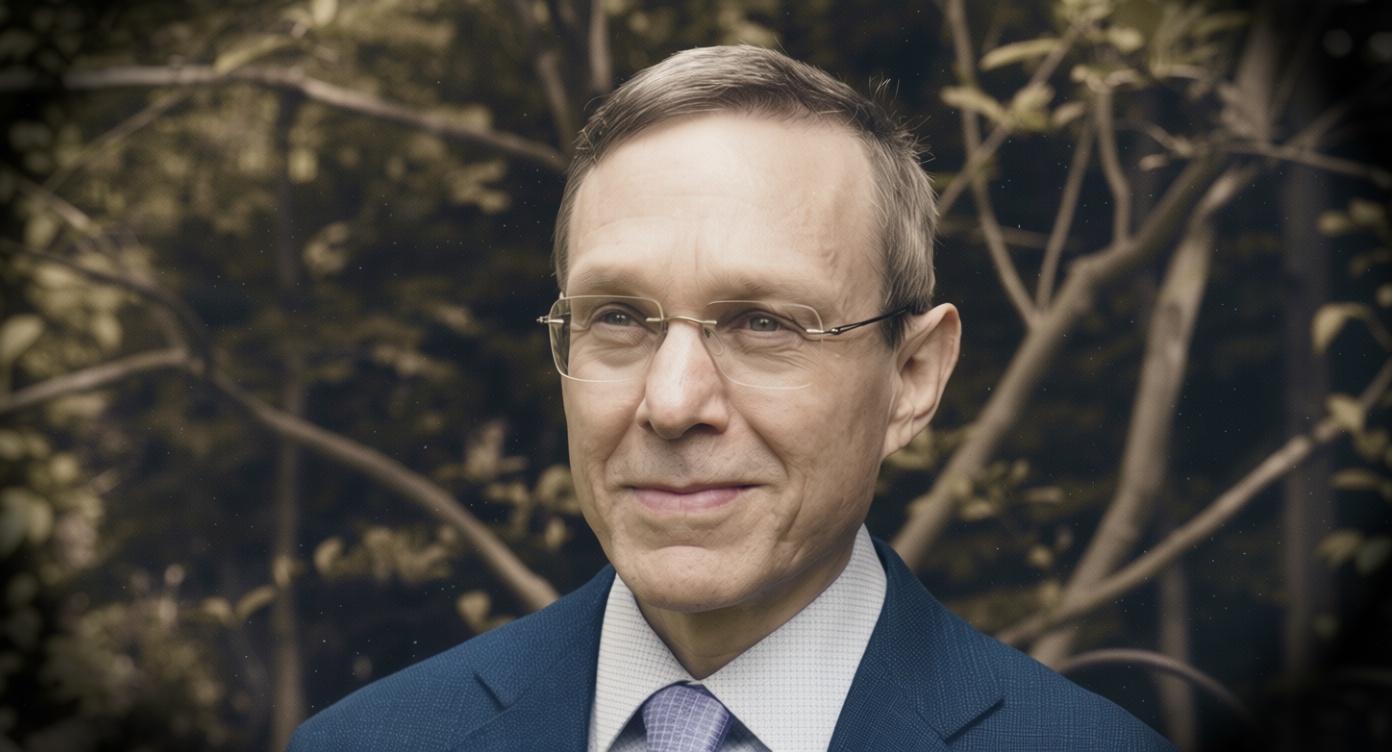
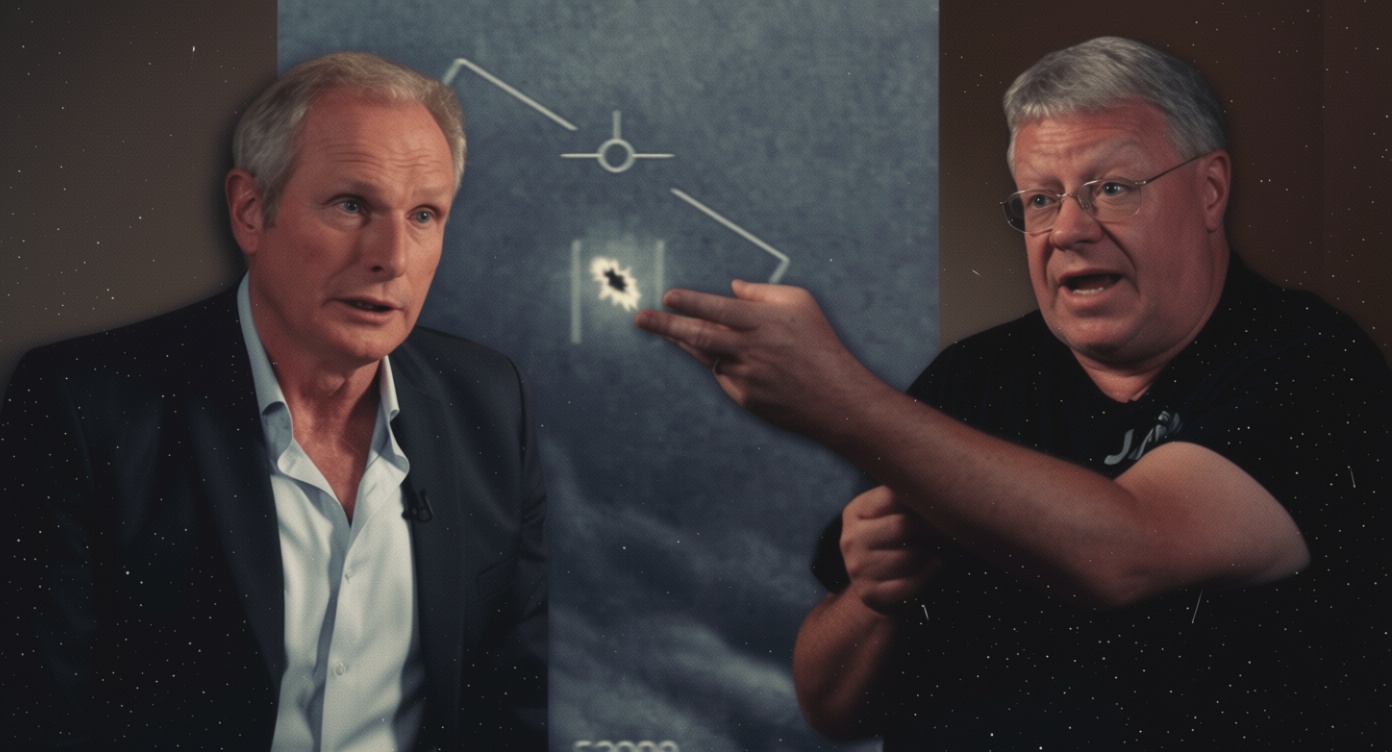
A recent NewsNation “Reality Check” segment revisits a question that continues to sit at the intersection of science, government transparency and public skepticism: how should unidentified anomalous phenomena, or UAP, be treated when credible observers report events that do not yet have an explanation? In the segment, a physicist and former NASA researcher argues that the subject should not be dismissed out of hand, but approached as a scientific problem that warrants careful investigation.
The core of the argument is straightforward: if a phenomenon is genuinely unidentified, then the appropriate response is not ridicule, but methodical inquiry. That framing reflects a shift that has taken hold in recent years across parts of the scientific and national security communities, where UAP are increasingly discussed less as a cultural curiosity and more as an issue of data quality, sensor performance and evidentiary standards.
Why the topic is being taken more seriously
The NewsNation segment underscores a broader change in tone around UAP reporting. For decades, such accounts were often pushed to the margins of public conversation, treated either as fringe speculation or as misidentifications that would eventually be explained away. But more recent attention from journalists, lawmakers and researchers has helped normalize the idea that unexplained sightings deserve scrutiny, especially when the available information comes from trained observers or advanced tracking systems.
That does not mean every report points to something extraordinary. In fact, most UAP cases ultimately turn out to have conventional explanations, from atmospheric effects to drones, balloons or errors in perception. Still, the segment’s emphasis on the physicist’s perspective highlights an important distinction: unexplained does not automatically mean unscientific. It simply means the evidence has not yet been sufficient to identify the object or event with confidence.
Science first, speculation second
A major theme in the discussion is the need to preserve scientific discipline in a field often overwhelmed by speculation. The physicist’s position, as presented by NewsNation, is that UAP should be assessed using the same standards applied to any other anomaly: collect the data, evaluate the sensors, rule out known causes and only then draw conclusions. That approach is especially important because UAP claims often suffer from a lack of high-quality documentation, incomplete metadata or inconsistent witness accounts.
This emphasis on evidence also reflects a practical challenge. If the goal is to understand whether some UAP reports represent advanced technology, natural phenomena or simple misperception, then researchers need reproducible data, not assumptions. The segment’s framing suggests that the most responsible path forward is neither blanket belief nor blanket dismissal, but a disciplined attempt to separate signal from noise.
A wider policy and public conversation
The issue has also become more visible because of growing interest from government institutions and the public. In recent years, UAP have moved from the cultural periphery into mainstream policy discussions, where officials have stressed the importance of transparency, aviation safety and national security. That shift has helped create a more serious environment for researchers who argue that the mystery surrounding some sightings is itself a reason to investigate further.
NewsNation’s “Reality Check” segment fits squarely into that conversation by presenting UAP as a legitimate scientific question, not a punchline. The message is less about reaching a dramatic conclusion than about insisting on a better process. If the phenomenon is to be understood, the segment suggests, it will take patience, rigor and a willingness to follow the evidence wherever it leads.