Overview
For anyone hoping to catch a glimpse of an unidentified flying object, Montana has long been considered one of the more promising places to look. A recent Newstalk KGVO piece framed the state not as the site of a specific new encounter, but as a practical destination for sky-watchers interested in unexplained aerial activity. The appeal, according to the broad logic behind the article, is straightforward: wide-open spaces, sparse population centers and some of the darkest night skies in the country make Montana a natural fit for people who want to spend time scanning the heavens.
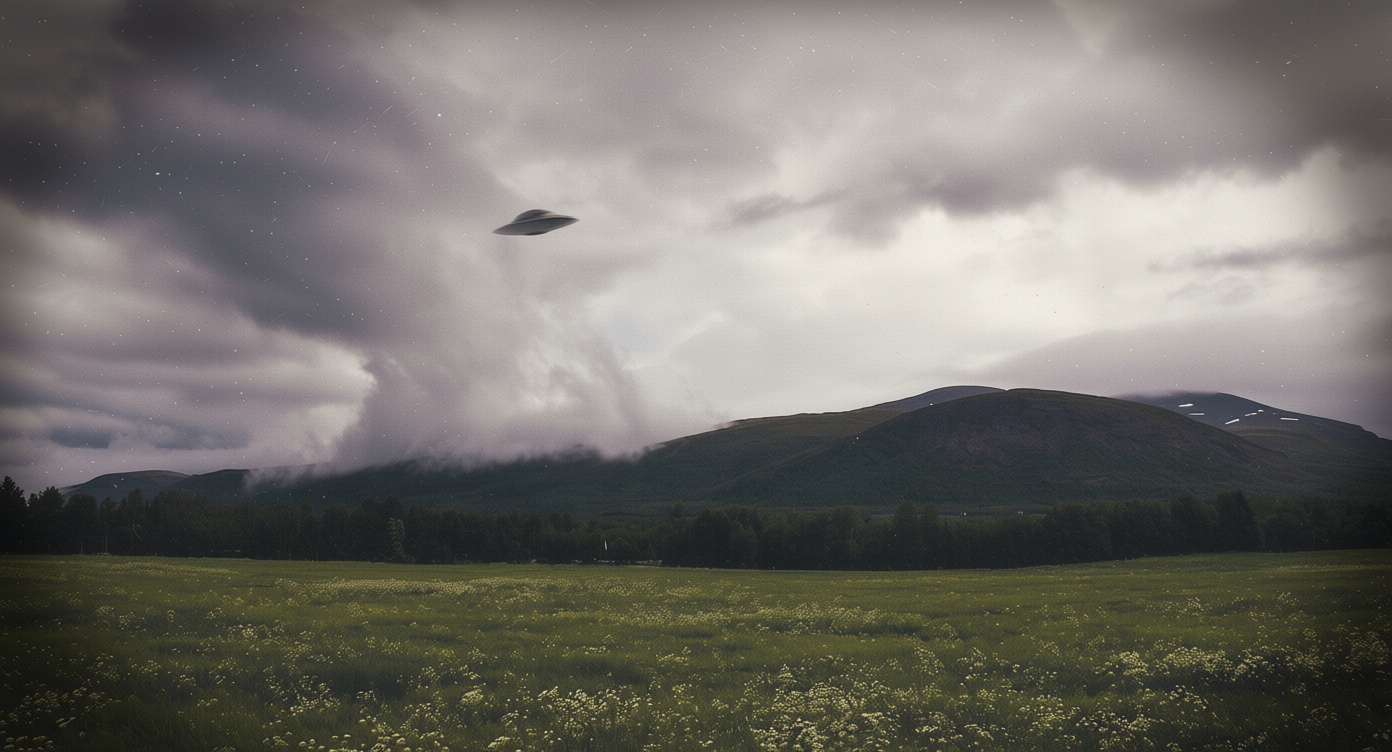
That idea is rooted less in mythology than in geography. Large stretches of Montana offer minimal light pollution, giving observers a clearer view of stars, satellites and aircraft moving through the night sky. In rural areas, the horizon can seem nearly uninterrupted, which makes unusual movement easier to notice than in more densely populated states. For UAP enthusiasts, that kind of environment is often just as valuable as any formal “hot spot” reputation.
Why Montana Attracts Sky-Watchers
The state’s size and terrain also help explain why it regularly comes up in conversations about UFO hunting. Montana’s plains, mountain ranges and remote highways create viewing conditions that are difficult to replicate in urban areas. In places where artificial light is limited and the night sky remains visible for long stretches, observers can spend extended periods outside without the visual clutter that often masks distant objects. That makes it appealing not only to believers in unexplained phenomena, but also to amateur astronomers, photographers and anyone simply interested in what passes overhead.
Importantly, a location that is good for spotting unusual lights is not the same thing as proof of extraterrestrial activity. Many reports that begin with “UFO” are eventually explained by aircraft, weather phenomena, celestial objects, drones or other man-made sources. Still, the article’s framing underscores a real trend in UAP culture: people looking for the unexplained often choose locations where there are fewer distractions and better visibility.
Practical Appeal Over Sensation
The KGVO piece appears to treat UFO spotting as a planning question, not a sensational event. That distinction matters. Rather than claiming a dramatic new sighting, it effectively guides readers toward a state where the odds of noticing something unusual may be better simply because the environment is conducive to observation. In that sense, Montana’s role in the story is less about a single incident and more about its reputation as a place where curiosity about the skies can be pursued seriously.
For those interested in making a UFO watch more productive, the basics remain the same: get away from city lights, choose a clear night, give your eyes time to adjust and remain patient. Even then, the most likely outcome is not a confirmed anomaly, but a better understanding of how crowded and complex the night sky can be.
Bottom Line
Montana’s inclusion in conversations about UFO hunting reflects a broader reality in UAP reporting: the best places to look are often the places with the least visual interference. Whether someone is hoping to document an odd light, track unfamiliar motion or simply enjoy a clearer view of the stars, the state offers the kind of setting that makes careful observation possible. And while that does not guarantee a close encounter, it does explain why Montana remains on many sky-watchers’ short lists.