Overview
A new study published in Proceedings of the National Academy of Sciences offers a fresh explanation for one of the most devastating events in Earth’s history: the Permian-Triassic mass extinction, often called the “Great Dying.” Roughly 252 million years ago, the event wiped out an estimated 96% of marine species and reshaped life on the planet in ways that are still being studied today. For decades, scientists have debated why some organisms disappeared entirely while others managed to survive the environmental collapse. The latest research suggests the answer may lie not only in external conditions such as warming oceans and declining oxygen, but in the physiology of the animals themselves.
What the Study Suggests
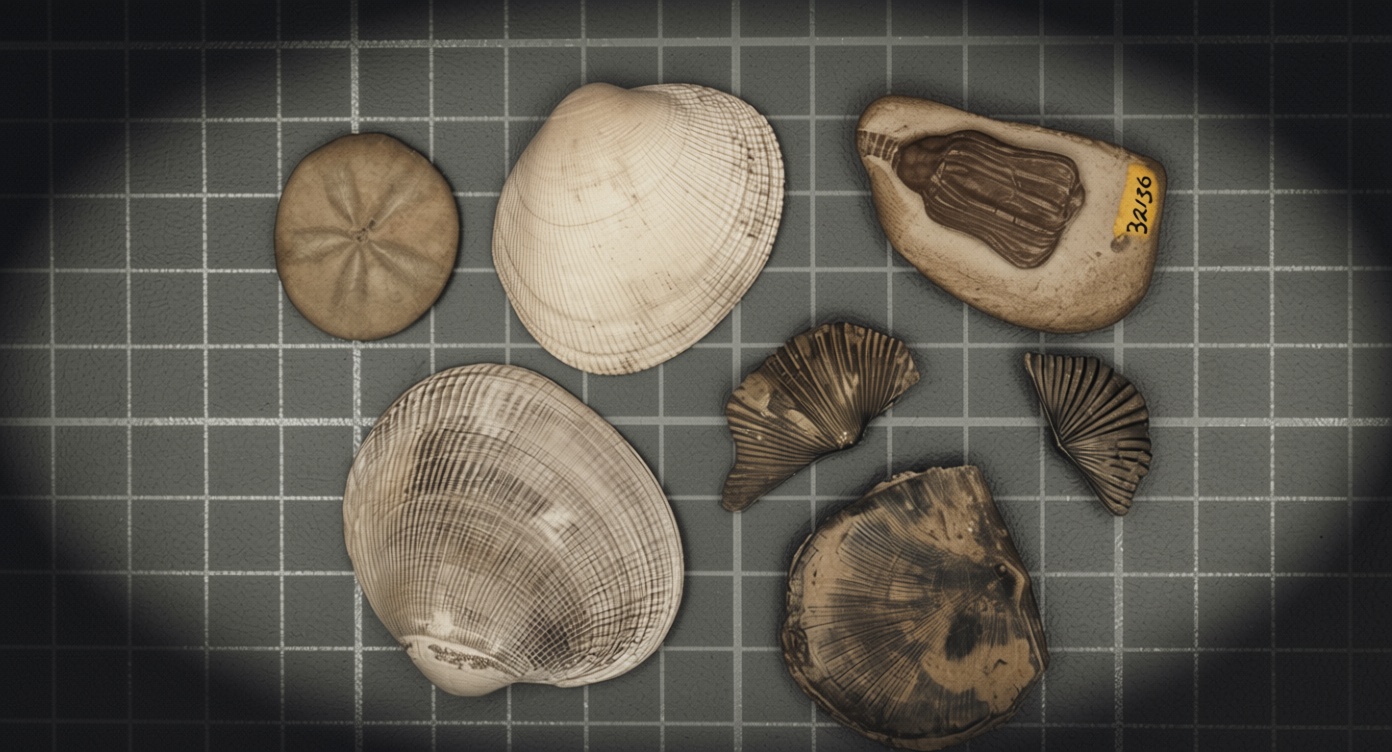
Researchers at Stanford University argue that differences in metabolism, oxygen use, and body structure played a decisive role in survival during the end-Permian extinction. In particular, the study found that animals whose bodies required more oxygen than the increasingly stressed oceans could provide were far more likely to die out. Species such as brachiopods and crinoids, which once dominated the seafloor, appear to have been especially vulnerable as rising temperatures lowered oxygen availability in the water.
By contrast, mollusks and fish seem to have possessed body plans better suited to this new environment. Their physiology allowed them to transport oxygen more efficiently, giving them a survival advantage as the oceans became warmer and more depleted. Lead author Jose Andres Marquez, formerly a PhD student in the lab of Stanford’s Erik Anders Sperling, said the team’s goal was to answer a long-standing paleontological puzzle: why modern beaches are littered with clam and snail shells rather than those of brachiopods.
How the Researchers Reached Their Conclusion
To test their hypothesis, Marquez and his colleagues built a model centered on species’ metabolic oxygen balance. They then compared the model’s predictions with direct measurements of oxygen use in living relatives of the ancient marine groups under study. That included brachiopods collected from the San Juan Islands in Washington, allowing the researchers to connect modern physiology with ancient extinction patterns.
The results showed a strong relationship between extinction risk and the amount of oxygen a species required, as well as how effectively it could move oxygen through its body. In other words, survival during the Great Dying may have depended less on chance than on whether an animal’s biology could function in a world of hotter, less oxygen-rich oceans.
Why It Matters Today
The findings add an important layer to our understanding of how mass extinctions unfold. Rather than viewing the Great Dying only as a consequence of volcanic activity, climate disruption, and widespread ocean anoxia, the study suggests that animal physiology helped determine who lived and who vanished. That perspective may be especially relevant now, as modern oceans also face warming, deoxygenation, and broader ecological stress.
The research does not close the book on the Permian-Triassic extinction, but it does provide a compelling framework for understanding why some lineages endured while others were erased. As scientists continue to reconstruct Earth’s deepest past, studies like this one are helping clarify a sobering lesson: when the environment changes fast enough, biology itself can become the deciding factor in survival.