Overview
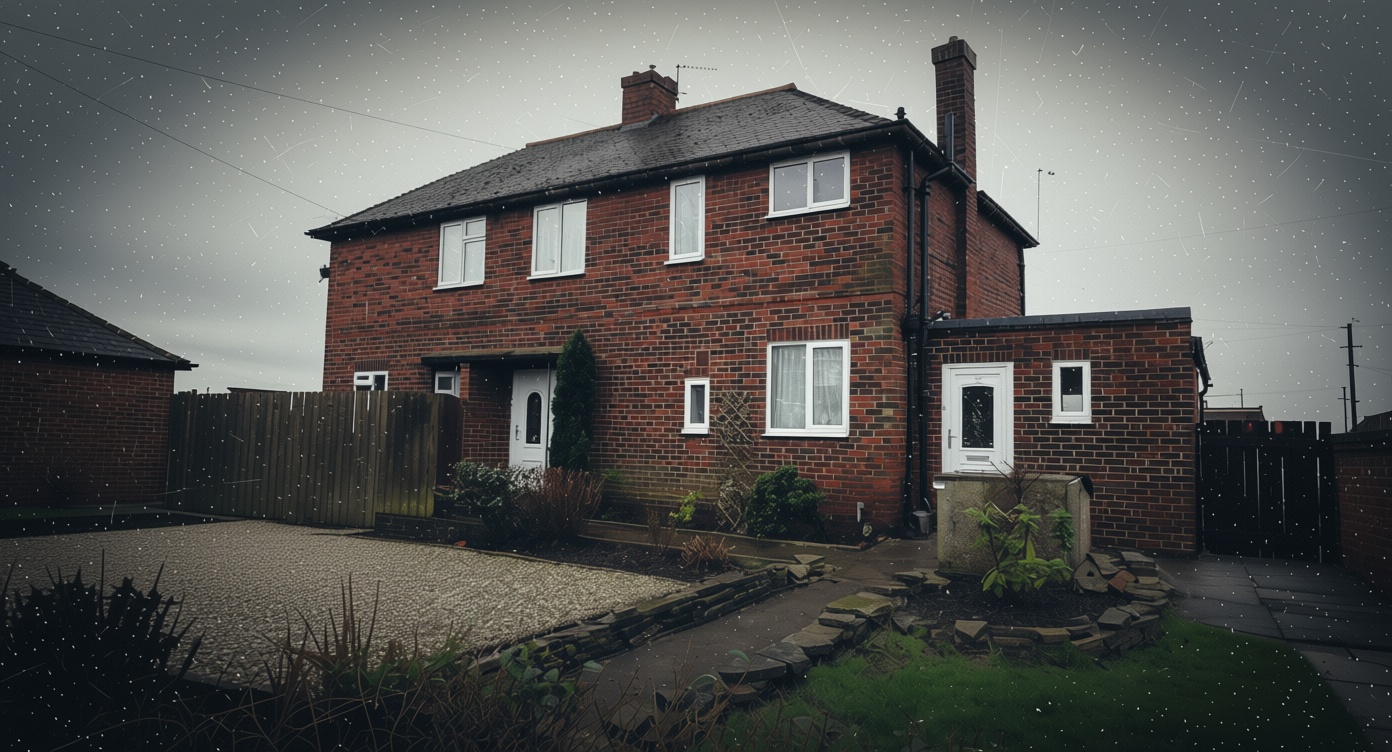
A recent episode of Haunted History Chronicles turns its attention to 30 East Drive in Pontefract, a house long regarded as one of Britain’s most famous paranormal locations. From the street, the property appears unremarkable: a modest 1950s three-bedroom semi-detached council house. But for more than half a century, the address has been linked to reports of unexplained activity that believers say are tied to a poltergeist known variously as Fred, the Black Monk, or the Pontefract poltergeist. The podcast explores why this case remains a touchstone in paranormal circles and why it continues to attract attention from investigators, enthusiasts and skeptics alike.
Key Claims and Reported Activity
According to the episode’s source material, the haunting at 30 East Drive is widely considered one of the most violent poltergeist cases in Europe. In paranormal terminology, a poltergeist is typically described as a “noisy spirit” associated with physical disturbances such as knocking, scratching, foul smells, flickering lights, object movement and even apparent attacks. The podcast outlines these common claims while noting that the Pontefract case has developed its own reputation for intensity. The house’s official website reportedly lists nearly 300 “happenings” from visitors, and the episode highlights recurring reports of disembodied voices, nausea, shadow figures, unexplained light anomalies, scratches and marbles moving on their own. One of the site’s most enduring motifs is the appearance of marbles, which some visitors have said seem to roll, fall from above or even show up elsewhere after they have left the property.
Historical Context and Family Accounts
The episode also promises to examine the background of the house and the experiences of the families most associated with the case, including the Pritchard family and the Farrars. That historical framing is important, because the Pontefract story has long been discussed not only as a haunting, but as a case shaped by the social and domestic circumstances of the people who lived there. The podcast says it will explore the land beneath the house and its possible connection to the reported phenomena, a reminder that many paranormal narratives are built around local history as much as around eyewitness testimony. For researchers and listeners, that combination of family memory, place-based lore and repeated accounts is part of what has kept 30 East Drive in public conversation for decades.
Why the Case Still Draws Attention
The new episode positions 30 East Drive alongside the Enfield Poltergeist to help listeners understand what makes the Pontefract case distinctive. Both cases are central to modern paranormal history, but each has generated its own body of testimony, debate and media attention. The podcast also looks at present-day reports, suggesting the story is not confined to the past. That continuing activity is a major reason the location remains relevant in current #paranormal discussions: whether viewed as a genuine haunting, a deeply persuasive folklore tradition, or a psychological and social phenomenon, 30 East Drive remains one of the best-known addresses in Britain’s supernatural landscape.
Podcast and Audience Engagement
The episode is presented as part of Haunted History Chronicles’ broader effort to examine famous hauntings in depth, while also encouraging audience participation. The show directs listeners to its Patreon page for additional content and mentions other ways to support the podcast, reflecting the increasingly community-driven nature of paranormal media. In that sense, the 30 East Drive episode is both a case study and a reminder of how enduring ghost stories continue to evolve in the digital age: through podcasts, social media, listener submissions and ongoing debate over what, exactly, is happening inside the house on East Drive.


