Overview
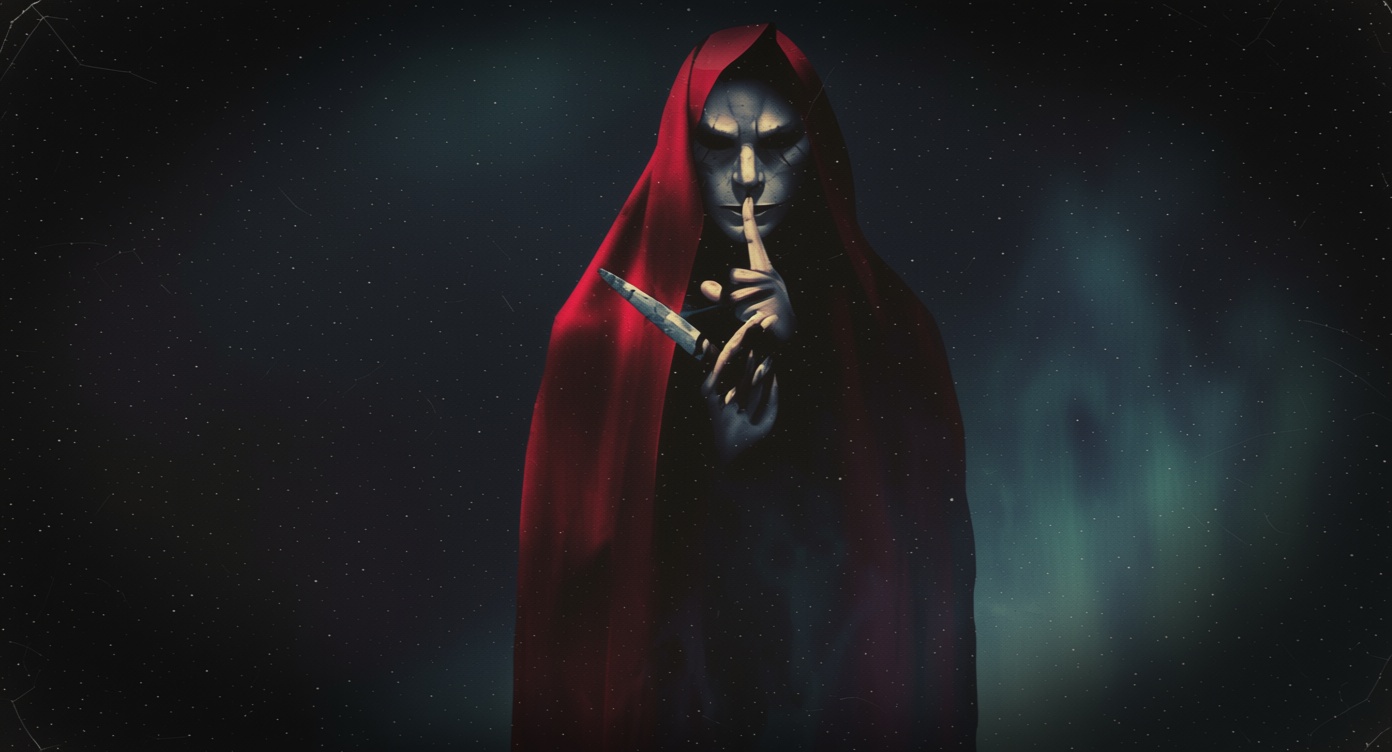
A new 13-minute episode of the podcast Supernatural Japan turns its attention to one of Japan’s best-known schoolyard ghost stories: Aka Manto, or the “Red Cloak.” Titled “Aka Manto: Red Paper, Blue Paper,” the episode was published on October 15, 2026, and is hosted by Kevin O’Shea. It examines a legend centered on a mysterious spirit said to appear in school bathrooms and public toilets, where an ordinary visit can become a frightening supernatural encounter.
According to the episode description, the story hinges on a deceptively simple question: “Red paper or blue paper?” The answer, and the choices that follow, are traditionally linked to disturbing consequences. The podcast presents the tale as part of Japanese paranormal folklore while also exploring how the legend has circulated through schoolyard storytelling and modern haunted-tale traditions.
The Legend’s Deadly Choice
In commonly told versions of the Aka Manto story, a person using a bathroom hears a voice asking whether they want red paper or blue paper. Choosing red may lead to an attack that leaves the victim covered in blood, while choosing blue can result in suffocation or a loss of blood and color. Other versions introduce different paper colors, alternate outcomes or additional questions, reflecting the way urban legends change as they are retold.
The episode reportedly focuses on these variations, including the different methods said to help someone escape the encounter. Some tellings suggest refusing to choose, giving a neutral answer or leaving without engaging the spirit. The uncertainty is central to the story’s appeal: the apparent options are traps, and even an attempt to outsmart the entity may carry its own risks.
Folklore in Familiar Places
Aka Manto is especially effective as a school ghost story because it places the supernatural in a location that is familiar but often isolated. School bathrooms, corridors and other quiet institutional spaces are common settings for Japanese urban legends, where everyday environments become associated with fear through repetition and rumor.
Rather than presenting the legend as evidence of a documented paranormal event, Supernatural Japan frames it as folklore. The story’s power comes from its structure—a confined setting, an unseen questioner and a choice with no safe answer—as well as from its adaptability. Like many urban legends, Aka Manto can be reshaped to fit different communities, generations and local storytelling customs.
Podcast Context and Availability
O’Shea’s episode is part of the ongoing Supernatural Japan podcast, which is listed as updating weekly on Apple Podcasts. The program describes itself as exploring supernatural stories and haunted traditions connected to Japan. The Aka Manto installment is rated Clean and is designed as a short, seasonal listen, with the listing specifically presenting it as suitable for spooky-season and Halloween audiences.
Listeners can access the episode through Apple Podcasts and connect with the program through its website, newsletter and social-media accounts. The show also promotes a Patreon community and provides contact information for its audience. While the episode is compact, its subject highlights how a familiar urban setting and a carefully constructed dilemma can sustain one of Japan’s most enduring modern ghost stories.