Overview
A recent post has explored a speculative explanation for some unidentified anomalous phenomena (UAP): that they could be ancient autonomous machines positioned near Earth, rather than crewed spacecraft operated by biological beings. Under the hypothesis, such systems might have arrived in the distant past, survived for extremely long periods, and continued observing Earth without direct intervention.
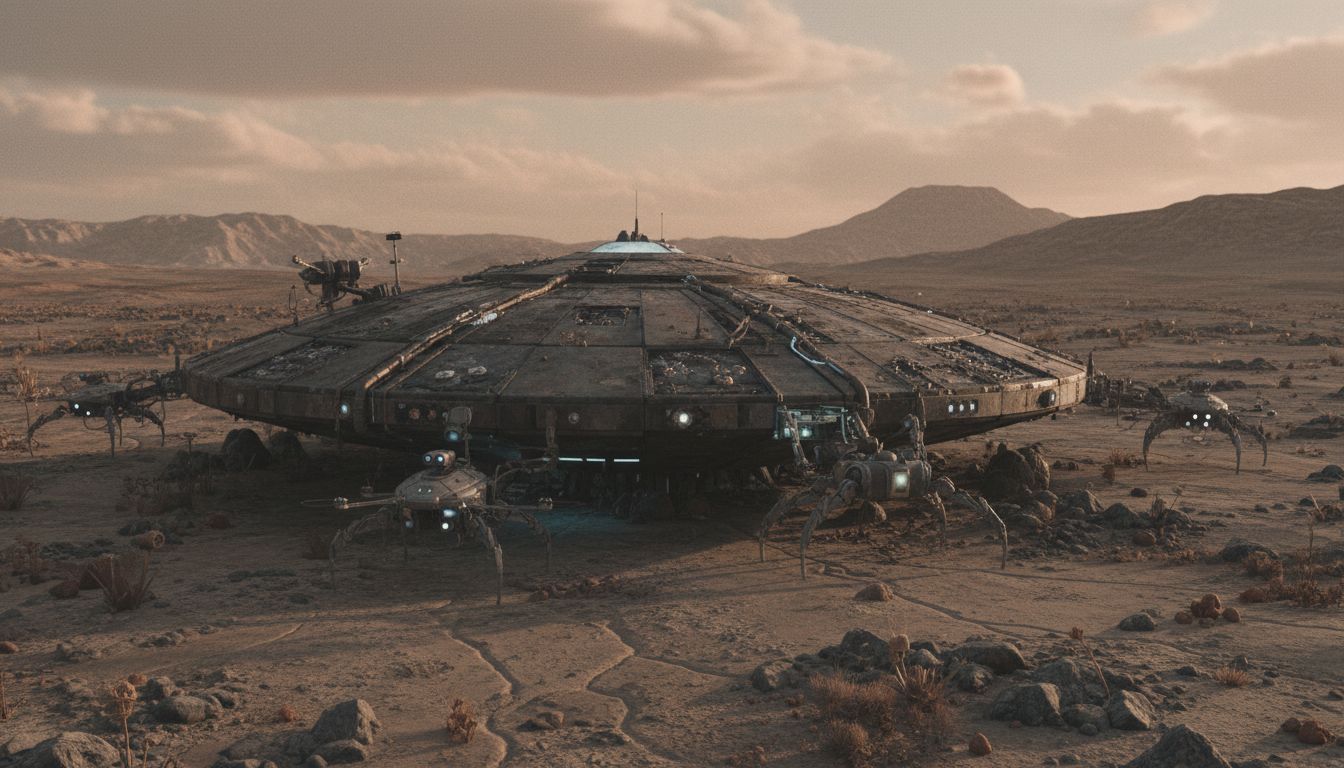
The concept is presented as a possibility rather than a claim supported by confirmed evidence. It suggests that an advanced machine civilization—or an earlier technological culture—could have dispatched durable monitoring platforms to the Solar System. Those platforms might be capable of deploying smaller vehicles, repairing or reproducing components, and tracking changes in Earth’s biosphere over geological timescales.
A Machine-Based Explanation
The proposal focuses on the distinction between biological visitors and autonomous technology. If a UAP were an unmanned system, it would not need to support a crew, return to a home world, or operate on a human timetable. A machine designed for long-duration observation could remain dormant for extended periods, activate in response to environmental or technological changes, and use local resources to maintain itself.
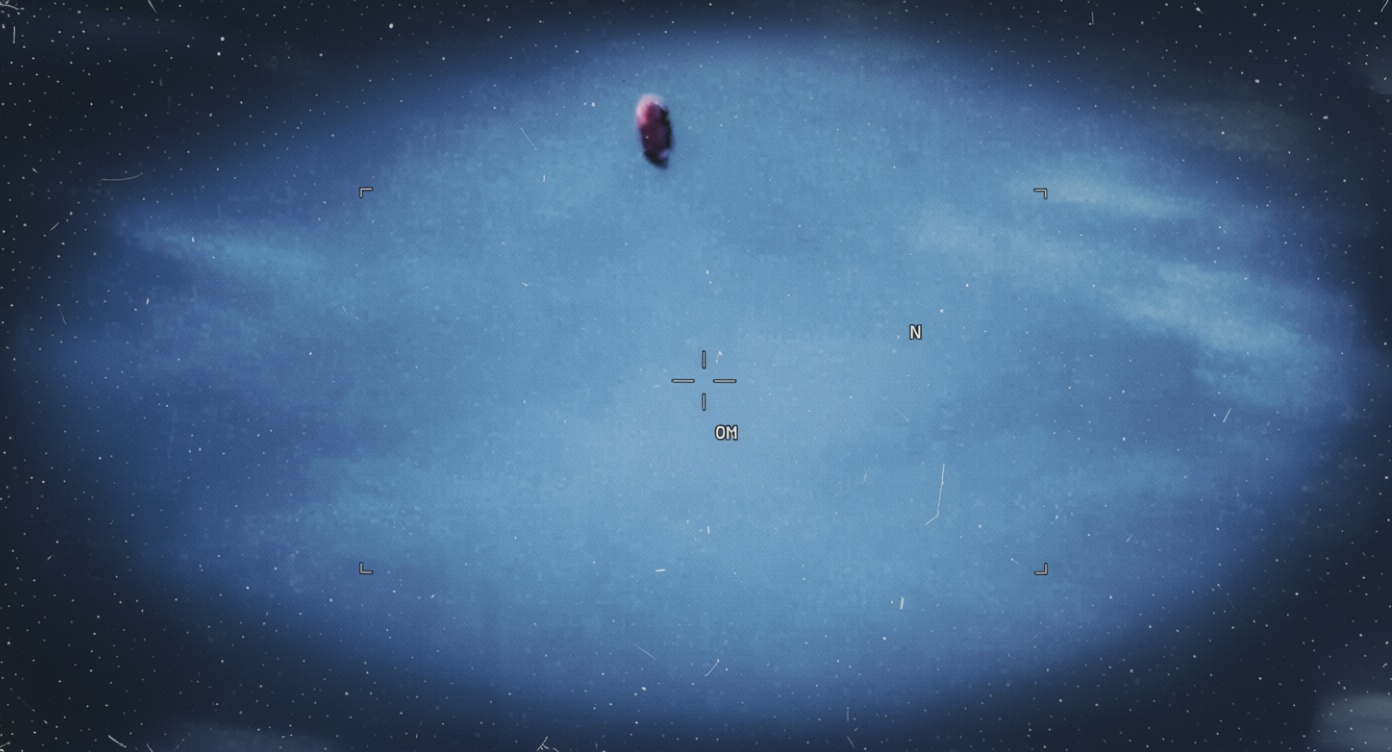
The post also raises the possibility that a larger “station” or network of machines could deploy subsidiary vehicles for reconnaissance. Such a structure would offer one speculative explanation for reports describing objects that appear in different locations or display apparently coordinated behavior. However, those reports remain difficult to evaluate because many lack independently verified sensor data, complete chains of custody, or sufficient information to rule out conventional explanations.
Links to SETI Research
Supporters of the idea point to published research in the Search for Extraterrestrial Intelligence (SETI) as evidence that autonomous-probe architectures are scientifically discussable, even if they have not been observed. SETI literature has examined concepts including interstellar probes, self-maintaining systems, and machines able to operate independently of their creators. These studies provide precedents for thinking about non-biological exploration over immense distances and timescales.
That precedent does not establish that any UAP are ancient probes. It only demonstrates that autonomous exploration is a recognized subject in astrobiology, aerospace studies, and the search for extraterrestrial technology. The engineering challenges—including energy supply, radiation damage, navigation, communications, and long-term materials degradation—would be substantial, particularly for a system expected to remain functional for millions or billions of years.
Claims Requiring Separate Evidence
The post distinguishes its central hypothesis from several more ambitious extensions. Ideas involving local manufacturing, ancient habitation, defensive activity, or neural interfaces would each require independent evidence. A machine able to manufacture replacement parts from Earth-based materials, for example, would need to leave detectable industrial or chemical signatures. Claims of defensive operations would require reliable observations showing intent rather than anomalous motion or sensor artifacts.
Likewise, the suggestion that such systems once hosted biological occupants—or interacted directly with human consciousness—cannot be inferred from the autonomous-machine premise alone. Those possibilities would need documentary, archaeological, biological, or physical evidence that is currently not presented.
Assessing the Source and the Hypothesis
The supplied source link points to a Wikipedia page that returned a 404 error and instead displayed a disambiguation-style prompt for The Sentinel (short story). As a result, the post’s original wording, citations, and supporting arguments cannot be independently reviewed from the provided material. No confirmed UAP case, recovered object, or peer-reviewed finding is identified as proof of the proposed scenario.
For now, the ancient-autonomous-machine idea is best understood as a framework for interpreting an unresolved category of observations, not as an established explanation. Its value lies in encouraging researchers to consider technological possibilities beyond crewed spacecraft—while maintaining the evidentiary standard needed to distinguish a compelling hypothesis from a demonstrated discovery.