Overview
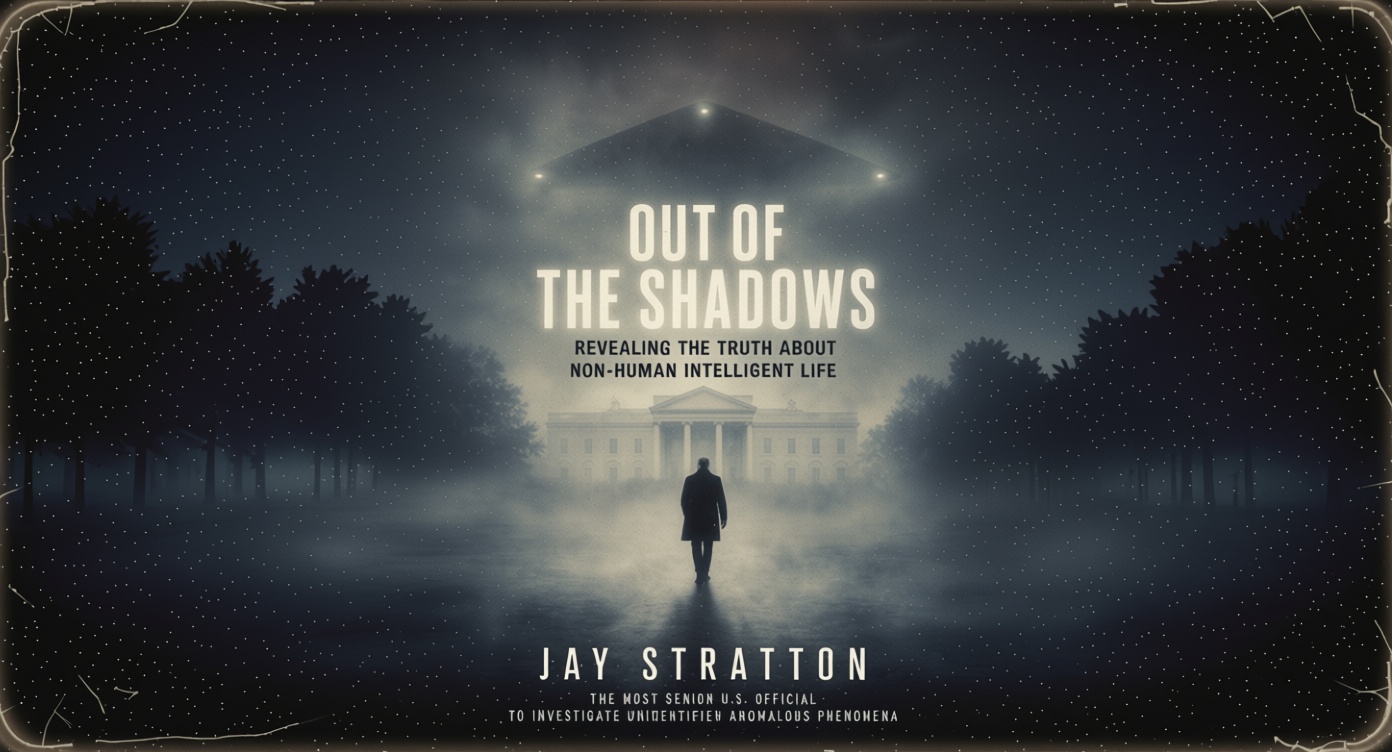
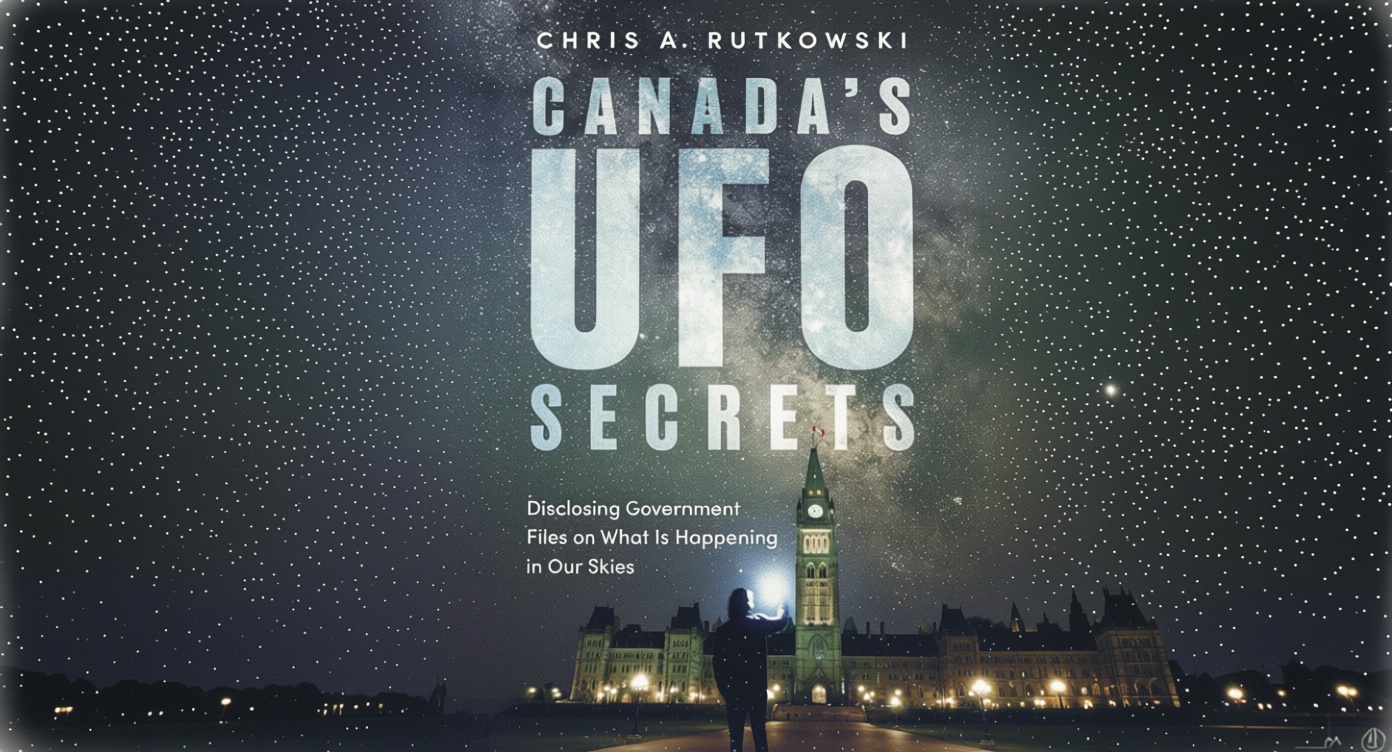
A Winnipeg Free Press article published Oct. 3, 2026, presents a skeptical assessment of a new UFO-related book, framing its central concern in the headline: “Questions outweigh answers in UFO tome.” The wording suggests the book engages with reports of unidentified flying objects and the broader debate surrounding them, but ultimately leaves its readers with more uncertainty than resolution.
The item appears in the newspaper’s Arts & Life section, under Books, rather than as a report of a newly confirmed aerial incident or government disclosure. That placement indicates the focus is likely literary and analytical: an examination of how the book handles the evidence, claims and unanswered questions surrounding UFOs—now more commonly described in official settings as unidentified anomalous phenomena, or UAP.
A Subject Defined by Uncertainty
The headline reflects a longstanding challenge in UFO writing. Reports of unexplained objects can be compelling, particularly when they involve multiple witnesses, unusual flight characteristics or military observations. Yet an unexplained sighting is not, by itself, proof of extraterrestrial technology. In many cases, limited data, poor viewing conditions, misidentified aircraft, atmospheric effects or incomplete records make definitive conclusions difficult.
A book that emphasizes unanswered questions may therefore be addressing the limits of available evidence rather than offering a single explanation. The distinction between “unidentified” and “extraterrestrial” remains central to responsible UFO reporting: an object may not be immediately explainable without demonstrating that it originated beyond Earth.
What the Headline Signals
The phrase “questions outweigh answers” also suggests the review is unlikely to treat the subject uncritically. Instead, it appears to position the book as an exploration of an unsettled field in which testimony, government records, popular culture and scientific standards frequently overlap—and sometimes conflict.
That approach is especially relevant as public interest in UAPs has grown. In recent years, military personnel and lawmakers have called for greater transparency about unusual sightings, while researchers have pressed for better-quality data and more rigorous analysis. Those developments have increased attention on the topic, but they have not established a verified explanation for the most widely discussed cases.
Context for Readers
For readers approaching UFO literature, the article’s framing offers a useful caution. A compelling narrative can document an intriguing encounter or raise legitimate questions without resolving what happened. The strength of any conclusion depends on the quality of the underlying evidence, the transparency of the sourcing and whether alternative explanations have been examined.
Unanswered questions are not necessarily a weakness in a book about unexplained phenomena. They can instead highlight where evidence is incomplete and where further investigation is needed. At the same time, readers should be alert to the difference between open-minded inquiry and claims that go beyond what the available facts support.
A Review, Not a Disclosure
Based on the published headline and available page information, the Winnipeg Free Press item should be understood as a book discussion—not confirmation of alien visitation, a newly solved case or an official revelation. Its apparent conclusion is more measured: the book contributes to the conversation, but does not settle it.
In a field often shaped by dramatic claims, that emphasis on uncertainty may be the most significant point. The enduring question is not simply whether UFOs exist, but what evidence would be sufficient to identify them—and how confidently the public can distinguish fact from speculation.