Overview
In 1673, the death of Rebecca Cornell, a wealthy 73-year-old widow in Portsmouth, Rhode Island, developed into one of the most unusual murder inquiries in early colonial America. What might have been recorded as a domestic tragedy instead evolved into a case that blended crime, inheritance conflict, and supernatural belief—including testimony that her ghost had appeared to a relative and identified the manner of her death. Her son, Thomas Cornell, was ultimately accused, convicted, and hanged, making the case a striking example of how colonial courts and communities could treat the paranormal as part of the search for truth.
A Death That Raised Suspicion
According to the surviving accounts, Rebecca Cornell was found dead on the evening of February 8, 1673, in the family homestead after spending much of the day unwell and resting in her room while others ate supper. A relative later discovered her body near the fireplace, badly burned and difficult to identify. At first, investigators concluded the death had likely been an accident, possibly caused by her collapsing near the fire and catching alight. But that explanation did not hold for long. The discovery of an apparent injury on her body, combined with growing unease over household tensions, reopened the inquiry and shifted attention toward the family itself.
The Ghost Testimony
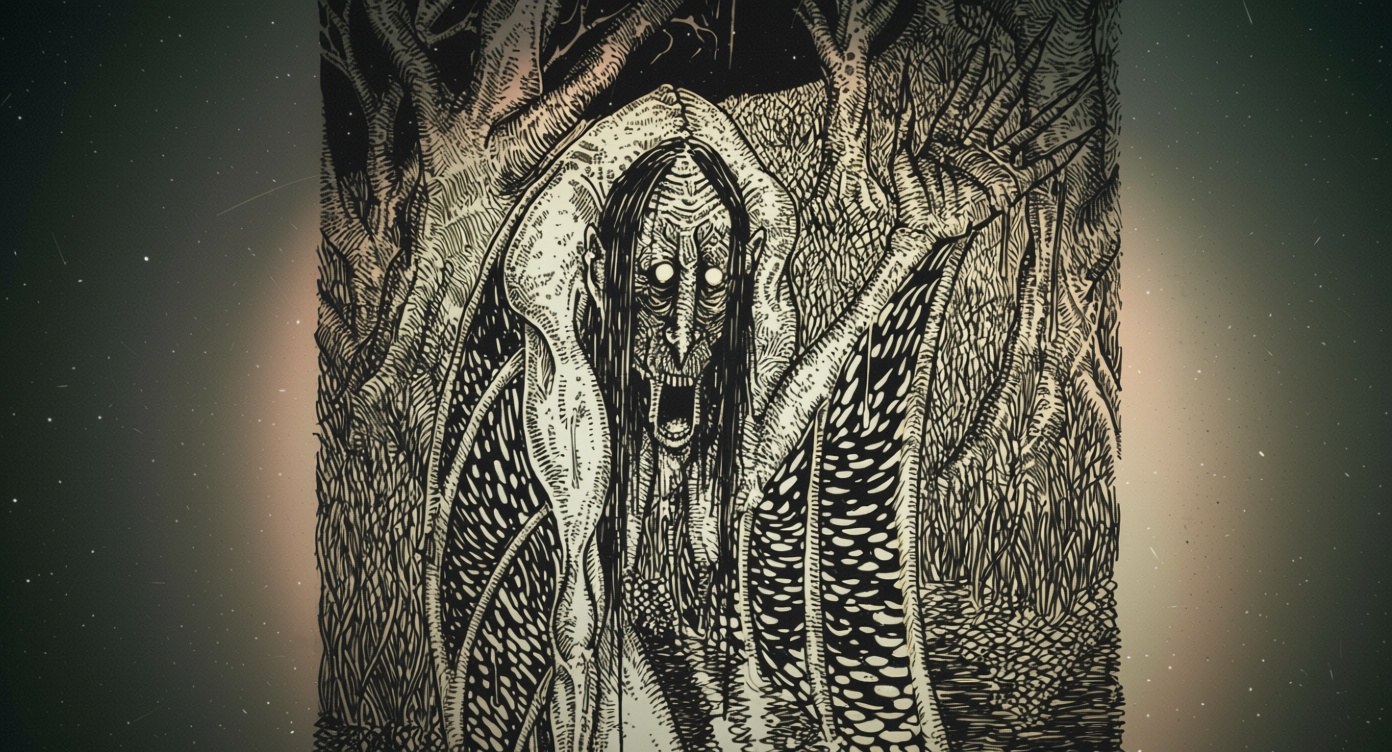
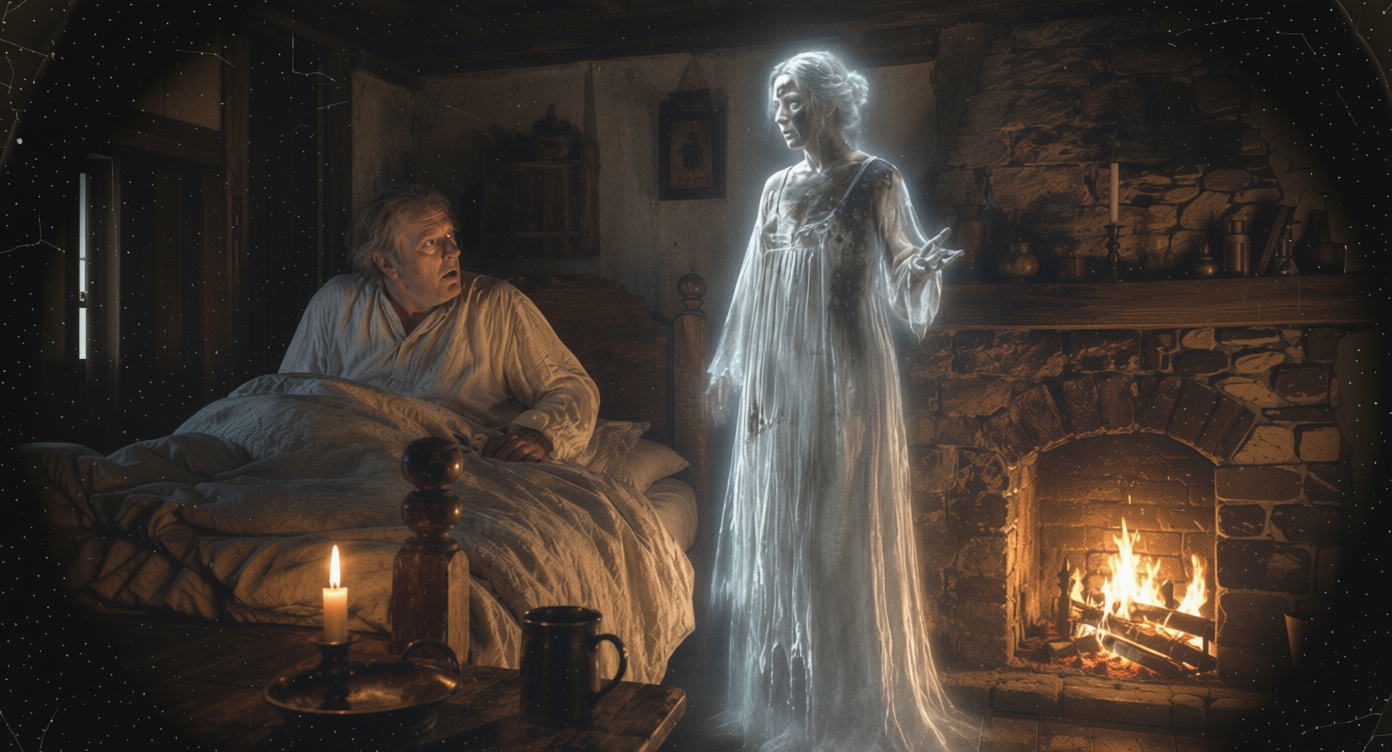
The most extraordinary turn came, according to period testimony, when Rebecca’s brother John Briggs reported a visitation two nights after her burial. Briggs said that while lying in bed he sensed movement, saw a glowing figure in the room, and heard it identify itself as Rebecca Cornell. The apparition allegedly emphasized the violent nature of her death, saying, “See how I was burnt with fire.” In a modern context, such an account would likely be interpreted as a dream, hallucination, or an experience shaped by grief. But in 17th-century Rhode Island, where many colonists believed the dead could return to expose wrongdoing, Briggs’s statement carried real weight. It was not merely folklore; it became part of a broader evidentiary narrative.
Accusation Against Thomas Cornell
Once the case was revisited, suspicion hardened around Thomas Cornell, Rebecca’s son. The source material describes longstanding friction within the household and hints at disputes over property, money, debts, and inheritance, all of which would have been highly consequential in a colonial family with substantial land holdings. Witnesses also reported statements by Thomas that were interpreted as resentment toward his mother, further fueling concern that her death had not been accidental. While the evidence was largely circumstantial, the combination of physical suspicion, family conflict, and the alleged ghost testimony appears to have convinced authorities that they were dealing with a concealed homicide rather than a mishap by the hearth.
Why the Case Still Resonates
Rebecca Cornell’s story has endured because it captures a defining tension in early American history: the overlap between law, religion, and supernatural belief. Colonial courts did not operate with modern forensic science, and communities often interpreted unusual events through a spiritual lens. That made ghost testimony possible, or at least culturally legible, in a way that would be unthinkable in contemporary legal proceedings. Today, the case is remembered less for definitive proof than for what it reveals about the mindset of the era—an age when a death investigation could turn on rumor, fear, and a reported message from beyond the grave.