Overview
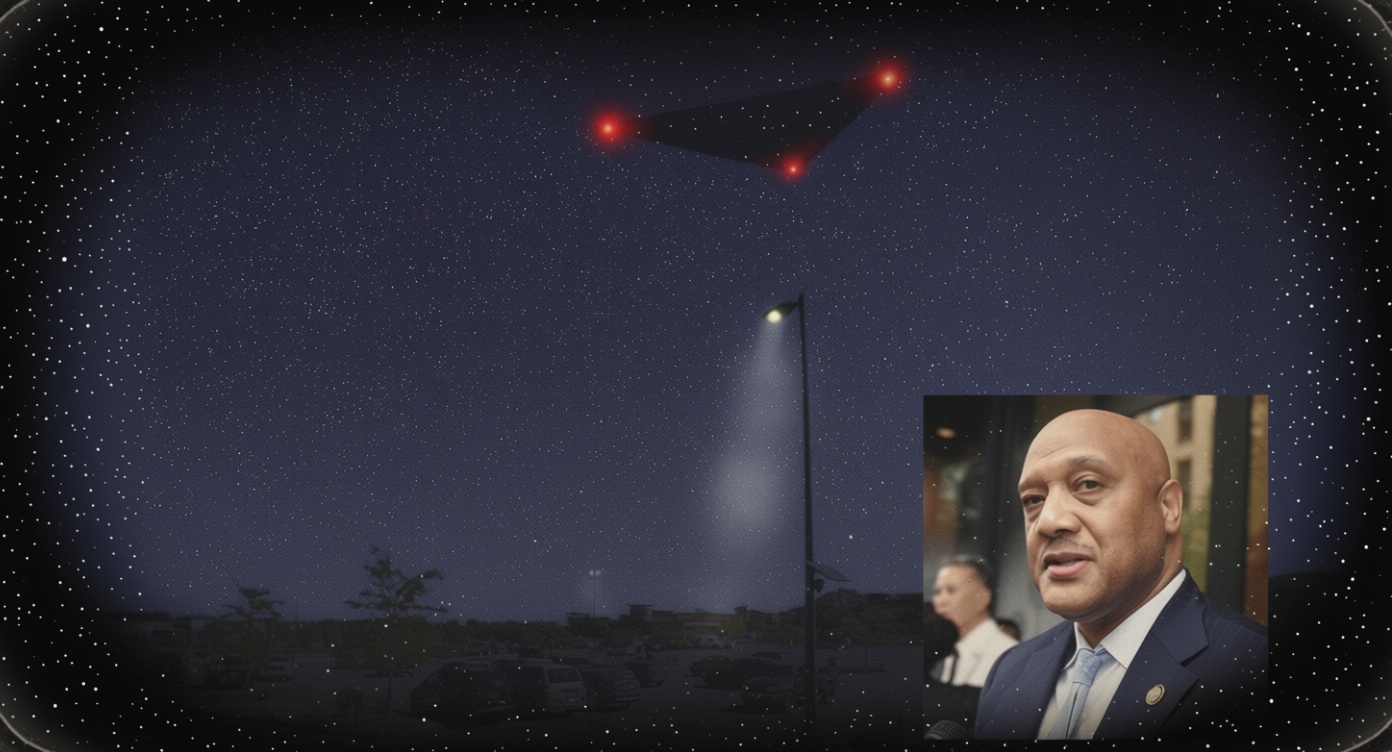
Rep. Andre Carson is calling on the All-domain Anomaly Resolution Office (AARO) to release a historical record on unidentified anomalous phenomena (UAP) that has reportedly been delayed for roughly two years. The document is expected to contain additional findings from earlier military and intelligence investigations, but its contents have not yet been made public.
Carson, a Democrat from Indiana and a longtime congressional participant in UAP oversight, is pressing for the record to be disclosed without further delay. The demand comes as lawmakers continue to debate how much information the federal government should release about unexplained incidents involving military personnel, aircraft and sensitive installations.
AARO’s Historical Review
Established within the Defense Department, AARO is responsible for investigating UAP reports across military domains and reviewing historical records related to government investigations. Its mandate includes examining whether past cases were misidentified conventional objects, sensor or reporting errors, foreign technology, or phenomena that remain unresolved.
The delayed record is reportedly part of AARO’s broader historical work. While the document is expected to add findings from previous military and intelligence inquiries, there is no public indication that it establishes extraterrestrial activity or confirms any extraordinary explanation. Until AARO releases the record, the scope, evidence and conclusions of the historical review cannot be independently assessed.
The anticipated report is significant because much of the UAP debate has centered on whether government agencies fully investigated earlier incidents and whether relevant records were withheld from Congress and the public. AARO’s historical assessments could help clarify what investigations occurred, which agencies participated and how officials evaluated unresolved sightings over time.
Political Stakes
The push for disclosure also carries political implications. A report by the New York Post, published Oct. 31, described Democrats as preparing to make government transparency on UFOs and UAP a more prominent issue after the midterm elections. The article portrayed Carson’s demand as part of a broader effort to challenge Republican claims of leadership on disclosure.
UAP transparency has increasingly drawn support across party lines, with lawmakers arguing that the issue involves government accountability, aviation safety and national security, rather than simply speculation about alien life. Congressional interest has grown following public testimony from military personnel and former officials who have alleged that important information has been concealed or insufficiently investigated—claims that remain disputed and have not been publicly substantiated in full.
What Happens Next
The central question is whether AARO will publish the historical record, provide a timetable for its release or explain what legal, classification or administrative issues have caused the delay. Agencies frequently withhold portions of intelligence-related material to protect sources, methods or national-security information, but lawmakers seeking disclosure have argued that historical records should be declassified wherever possible.
For now, the document remains unavailable, and its conclusions cannot be independently evaluated. Carson’s call places renewed pressure on AARO to explain the delay and make the record public, either in full or with narrowly tailored redactions. The eventual release could become an important test of the government’s stated commitment to UAP transparency.