Overview
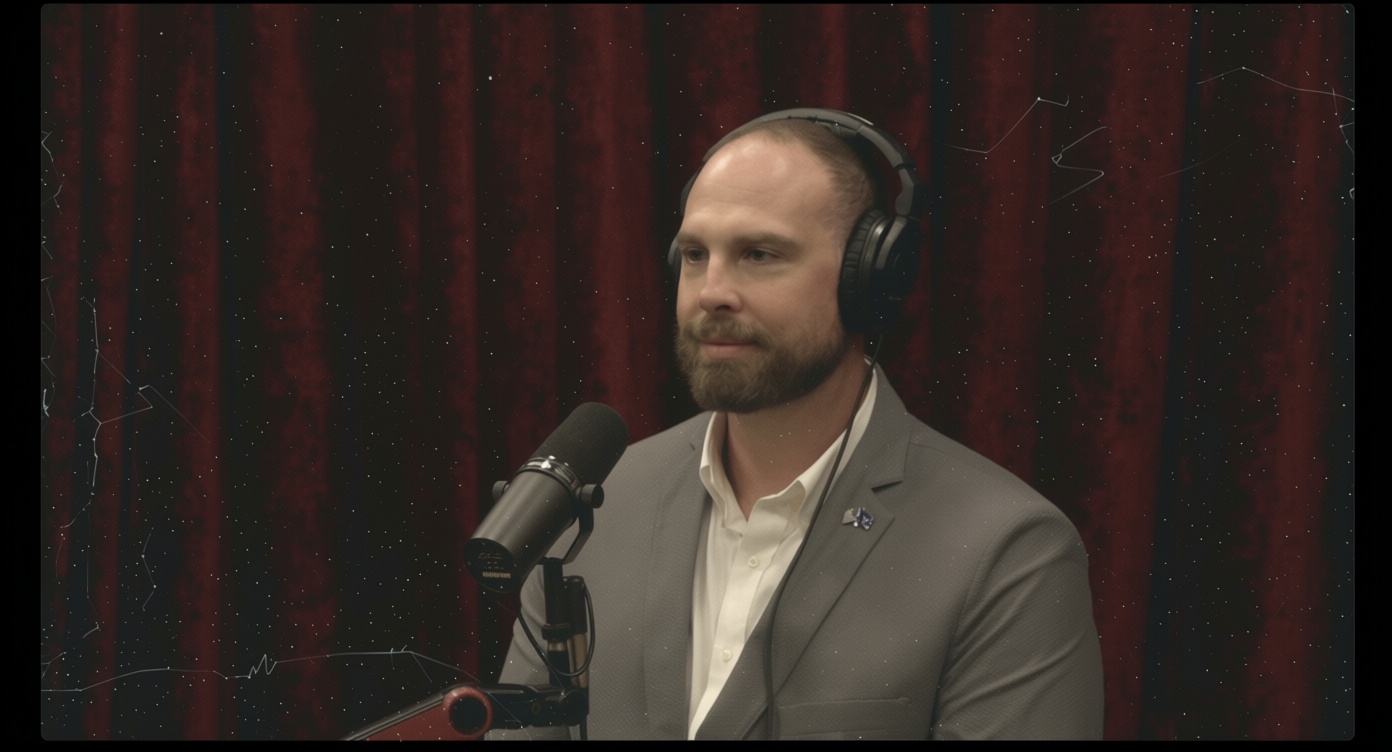
A reported Pentagon waiver allowing certain current and former government personnel to discuss UAP-related national defense information has drawn renewed attention following David Grusch’s September 30, 2026, appearance on The Joe Rogan Experience. The waiver was discussed in connection with what Grusch might be authorized to say publicly, although no specific disclosure resulting from the policy has been identified.
The report, published by NewsNation on September 14, 2026, described the measure as applying to current and former service members, government contractors and other personnel with knowledge of UAP-related matters. According to the report, the process was intended to permit individuals to provide information to a presidential review process without automatically violating their continuing obligations concerning classified or otherwise protected material.
What the Waiver Reportedly Covers
The reported authorization appears to be designed as a channel for personnel to come forward with information about unidentified anomalous phenomena, or UAPs, while preserving existing national-security controls. UAP is the official government term increasingly used for observations once commonly described as unidentified flying objects.
The waiver should not be understood as a blanket declassification order. Personnel would still be expected to avoid revealing information that remains classified, exposes intelligence sources and methods, identifies protected personnel or facilities, or compromises military capabilities. Any authorization would also likely depend on the nature of the information, the individual’s role and the applicable security rules.
The reported presidential review process could provide a formal mechanism for submitting testimony or records to officials assessing historical UAP claims. Such a process would be significant because former personnel have often said that institutional barriers, classification rules and fear of professional consequences make it difficult to discuss what they witnessed or learned while serving.
Connection to Grusch’s Rogan Appearance
Grusch, a former U.S. intelligence official and whistleblower, became a central figure in the UAP debate after publicly alleging that the government had concealed information about recovered nonhuman craft and related programs. Those claims have generated congressional interest, official reviews and continued public controversy, but they have not been independently verified in the public record.
The reported waiver prompted speculation that it may have influenced the boundaries of Grusch’s conversation with Joe Rogan. There is no specific evidence in the supplied material, however, that the waiver directly authorized any particular statement made during the interview. Nor does the available information identify new documents, locations, programs or physical evidence disclosed in connection with the appearance.
Broader Government Context
The alleged policy comes amid sustained congressional and public scrutiny of how the Pentagon handles UAP reports. Lawmakers have sought greater transparency from the Defense Department and intelligence agencies, while officials have emphasized that many sightings can potentially be explained by balloons, drones, aircraft, satellites, atmospheric effects or sensor errors.
At the same time, government investigations have not publicly established that UAP represent extraterrestrial technology. The distinction between an unresolved observation and proof of extraordinary origin remains central to responsible reporting on the subject. A formal avenue for testimony could help investigators evaluate claims, but it would not by itself validate them.
What Remains Unclear
Key details of the reported waiver—including its precise legal authority, scope, duration and implementation—were not provided in the source material. It is also unclear how many people have used the process, whether any testimony has reached the presidential review body, or whether the Pentagon has publicly confirmed the arrangement.
For now, the waiver is best understood as a reported mechanism for controlled disclosure and review, not evidence that new UAP revelations have occurred. Further assessment will depend on official documentation, corroborating testimony and verifiable records rather than speculation surrounding any single media appearance.