Overview
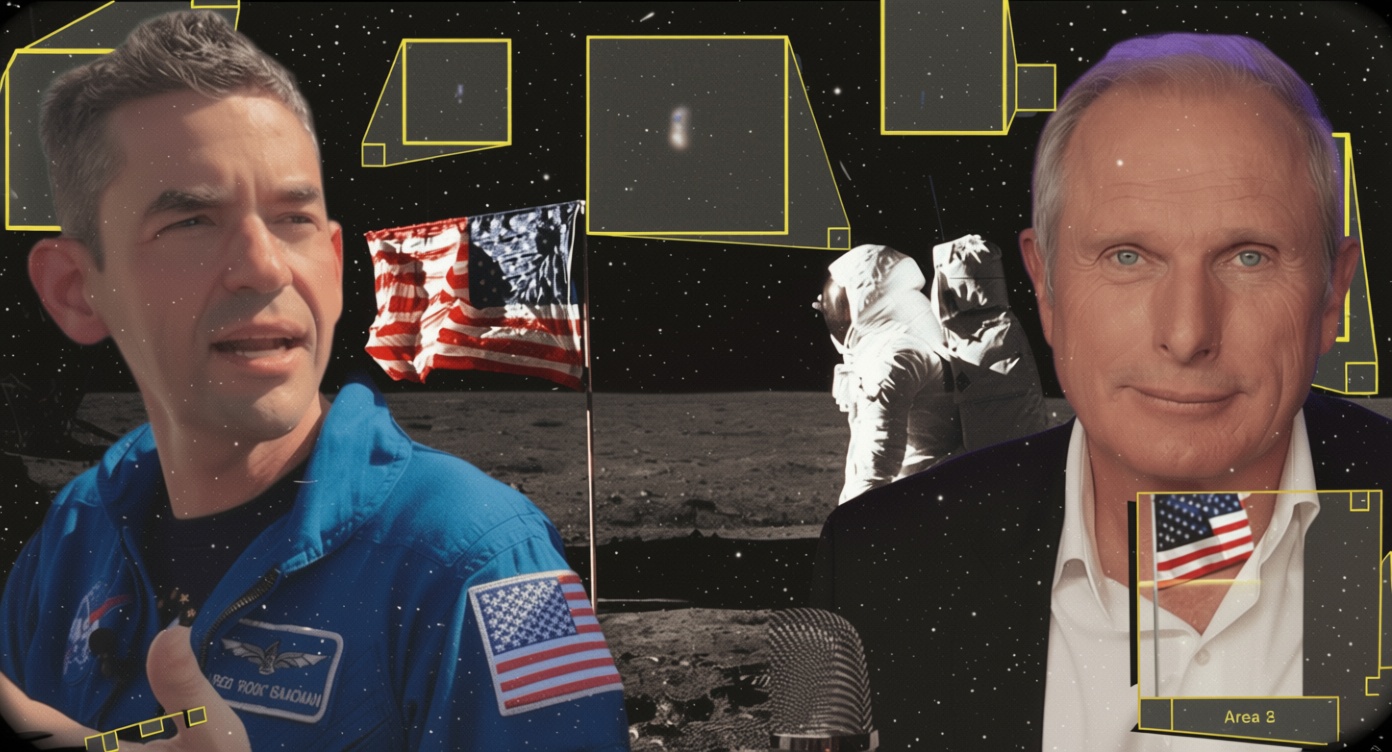
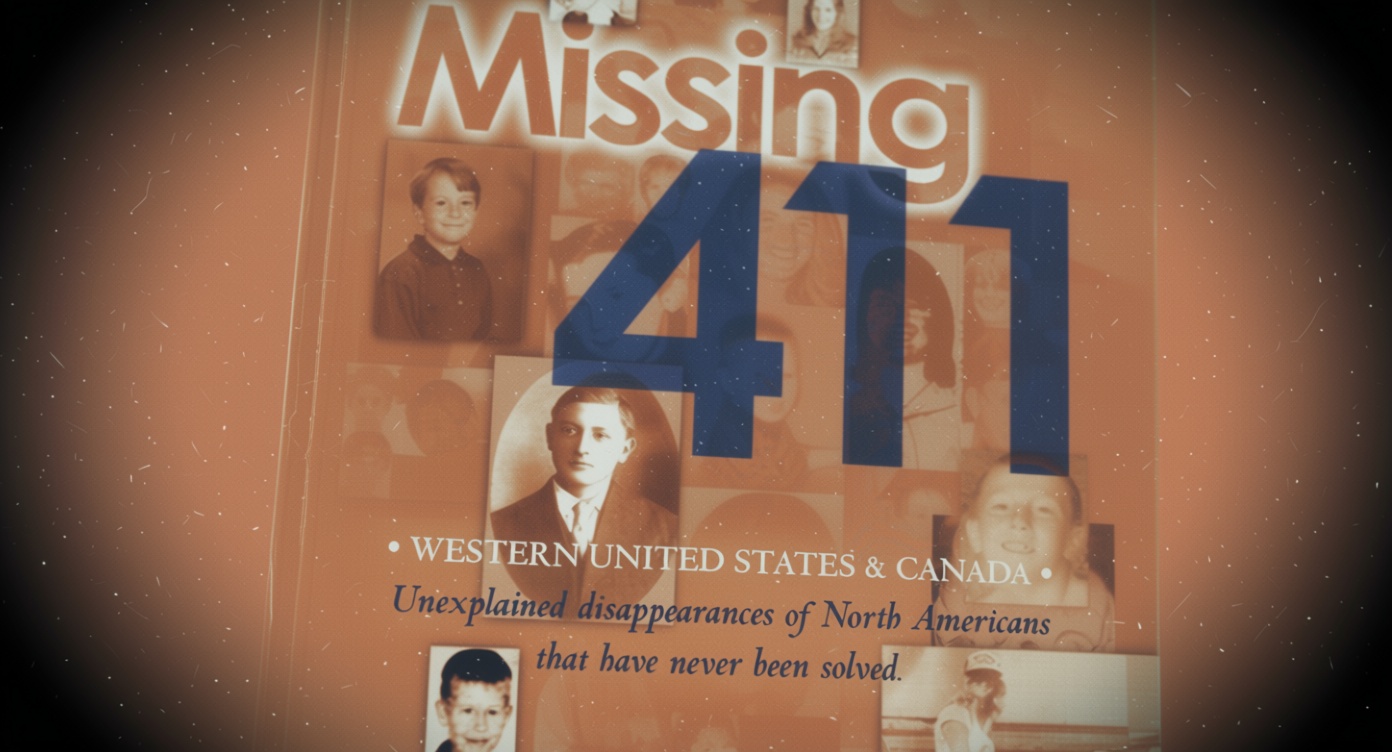
Reports of strange lights and unidentified aerial phenomena (UAPs) across the western United States and Canada are once again feeding speculation about a possible link to the broader “Missing 411” mystery, a label often used in popular discussions about unexplained disappearances in remote terrain. But the source material behind this latest framing takes a notably different approach: rather than treating “Missing 411” as a paranormal pattern, it describes it as a structural gap in data, coordination, and emergency intelligence across a vast region that includes California, Oregon, Washington, Colorado, Montana, and western Canadian provinces such as British Columbia and Alberta.
The document argues that the real mystery is not a single sensational event, but a fragmented information system spread across multiple agencies and jurisdictions. In that sense, “missing 411” becomes a metaphor for the absence of a unified, publicly accessible framework for tracking incidents, terrain risks, weather patterns, infrastructure, and cross-border coordination in one of North America’s most geographically challenging regions.
A Region Defined by Fragmentation
According to the source, the western U.S. and Canada face persistent obstacles to integrated oversight because the region spans mountain ranges, deserts, forests, and sparsely populated zones that often fall under different federal, state, provincial, tribal, and private systems. Agencies such as the U.S. Geological Survey, NOAA, and Environment and Climate Change Canada collect valuable data, but the information is not always interoperable or centralized.
That fragmentation has practical consequences. Search-and-rescue operations, emergency communications, environmental monitoring, and logistics planning can all be slowed by incompatible databases and jurisdictional silos. The source traces this problem to the region’s frontier history, noting that early settlement relied on oral traditions, hand-drawn maps, and rudimentary trails, while modern systems grew unevenly through surveying, highways, telecommunications, and GIS adoption. Even as technology improved, the underlying challenge remained: data is often generated, but not effectively joined together.
Why UAP Reports Enter the Conversation
Within that context, reports of unusual lights in the sky and unidentified aerial activity can easily take on outsized significance, especially in areas already associated with missing-person cases and difficult terrain. Enthusiasts and researchers who connect UAP sightings to disappearance clusters often point to the remote nature of the western landscape as a possible factor in both phenomena. However, the source material does not present evidence of a direct causal relationship.
Instead, it suggests that the same conditions that make disappearances harder to explain — distance, sparse infrastructure, limited visibility, and inconsistent reporting systems — also make aerial anomalies harder to verify. In other words, the perception of a link may be driven less by hard evidence than by the region’s broader informational gaps. That distinction is important: correlation is not proof of connection.
The Broader Implications
The article’s central message is that western North America needs better cross-border data integration, especially as wildfire activity, climate volatility, and emergency response demands continue to rise. The source frames this as a matter of public safety and governance, not conspiracy. If unusual sky activity, missing-person cases, and remote-terrain emergencies are all being discussed in the same breath, it is largely because the region lacks a cohesive system for connecting those dots.
For now, the evidence remains thin on any extraterrestrial explanation. But the combination of UAP reports, unexplained disappearances, and fragmented data infrastructure ensures the topic will remain active in public conversation. What emerges from the source material is a sober conclusion: before assigning mystery to the skies, officials and researchers may first need to address the very earthly problem of disconnected information on the ground.