Overview
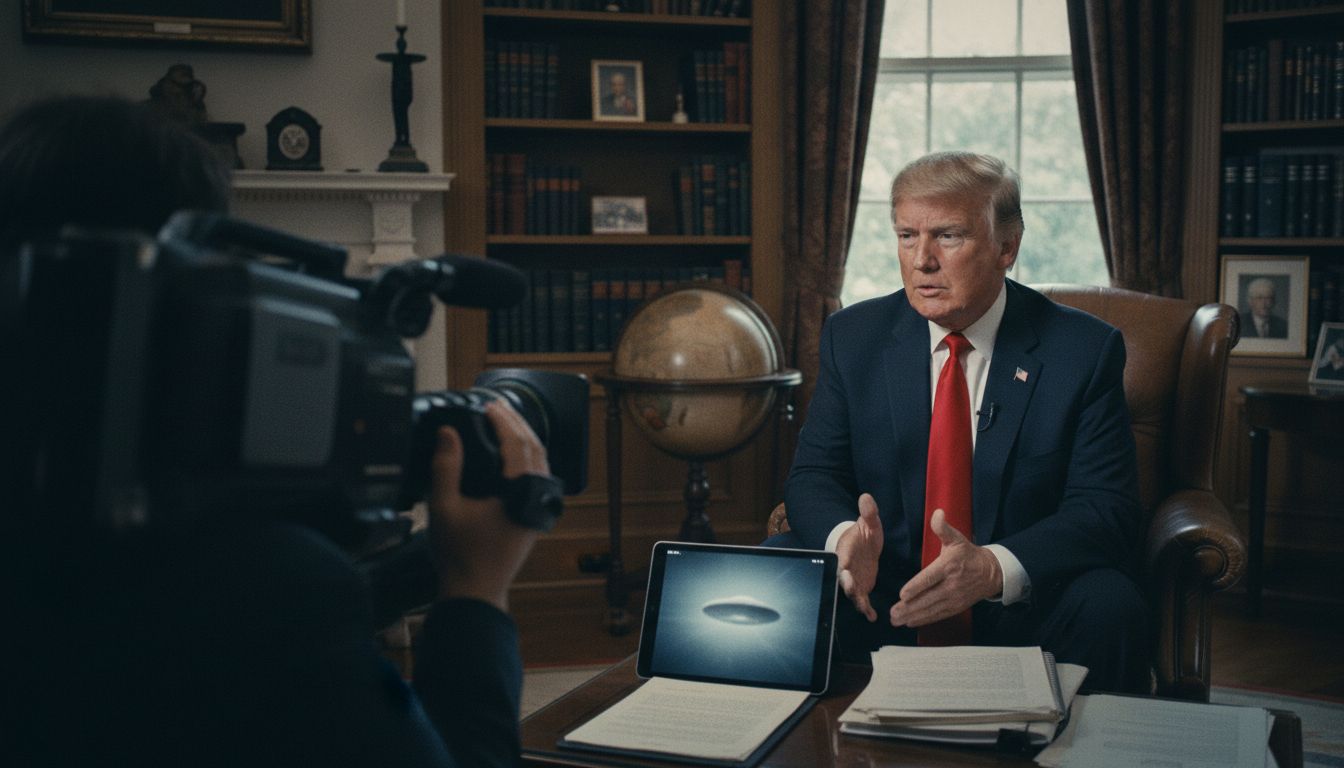
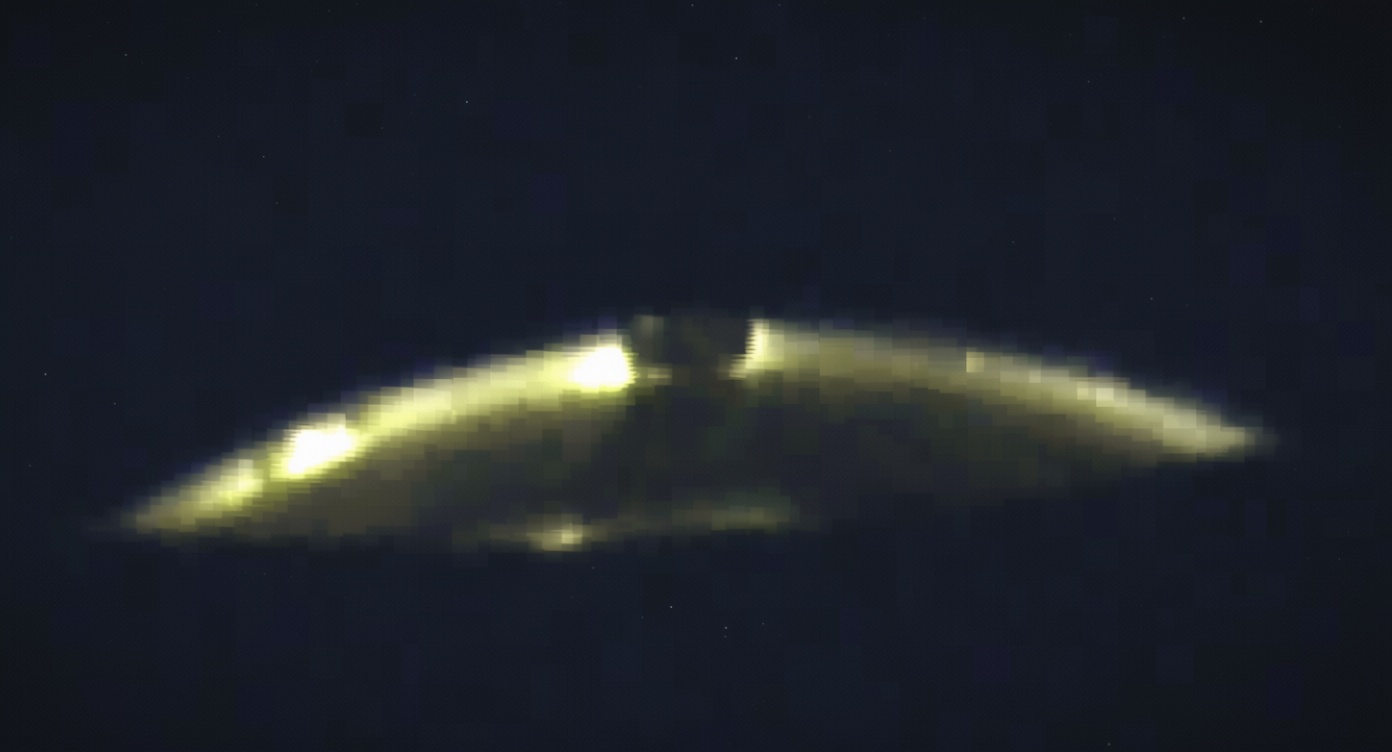
UFO research benefactor Robert Bigelow says he encouraged President Donald Trump to move toward disclosing information about aliens and unidentified anomalous phenomena, or UAPs, adding a new layer to the longstanding debate over how much the U.S. government knows about unexplained aerial encounters. Bigelow’s remarks, reported by 8 News Now’s Mystery Wire, arrive at a time when public interest in government transparency on UAPs remains high and questions continue to circulate about whether Trump was ever briefed on extraterrestrial matters or considered opening more of the record to the public.
Bigelow’s Role in the Disclosure Debate
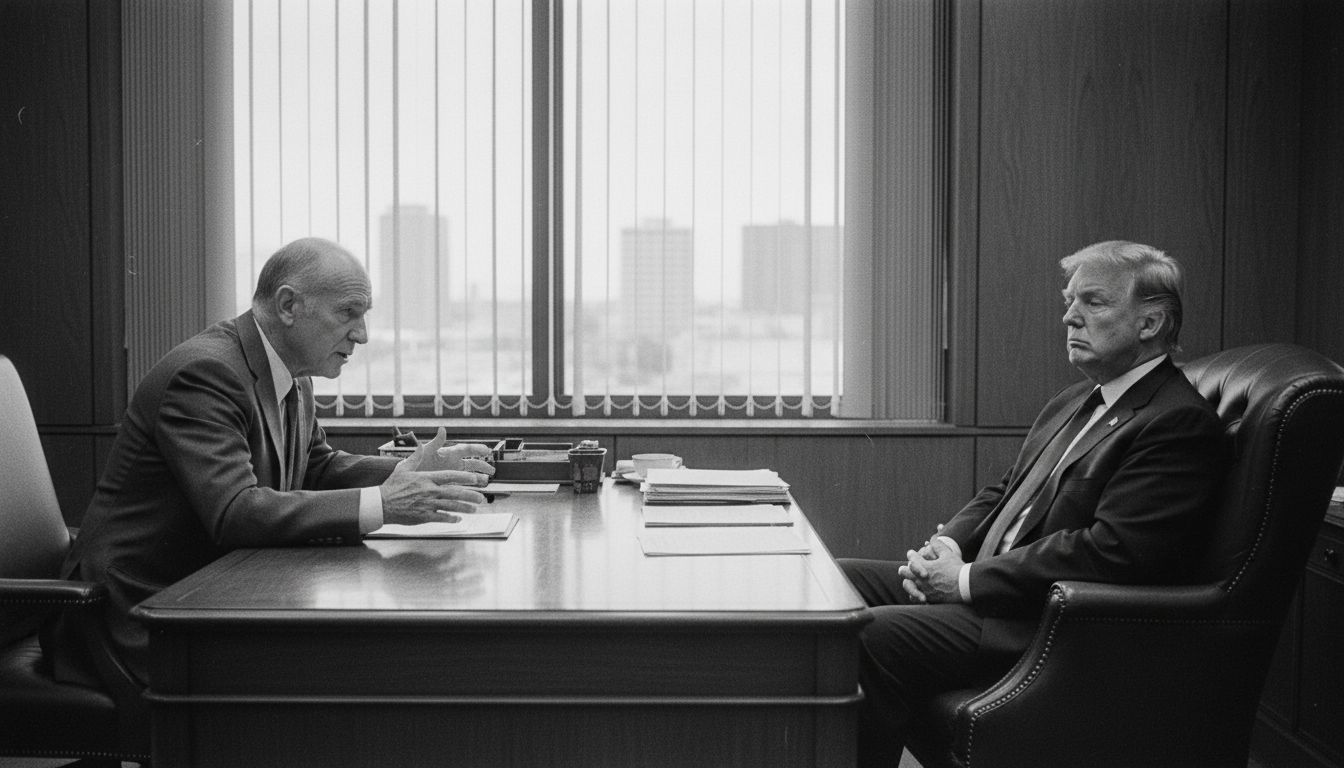
Bigelow has long been one of the most prominent private figures in UFO research, known for financially supporting work on unexplained aerial sightings and related subjects. His latest comments suggest that he was not merely a bystander in the political conversation, but someone who actively tried to influence the direction of it. While the source material does not provide a detailed transcript of his conversation with Trump, the claim itself is notable because it connects a major political figure to one of the most sensitive and persistent questions in UAP reporting: whether the subject has been withheld from public view by government institutions.
The disclosure debate has evolved significantly in recent years. What was once largely relegated to fringe discussion has become a matter of congressional interest, military reporting, and public policy. That shift has created room for figures like Bigelow, who have spent years advocating for serious attention to the issue, to argue that greater openness is both possible and necessary.
Trump, UAPs, and Public Curiosity
Trump has previously been the focus of speculation around UAP transparency, in part because of his position as commander in chief and his history of making unexpected statements on a range of political topics. The question of whether he was briefed on alien-related material, or whether he considered releasing government-held information, remains unresolved in the public record. Bigelow’s comments do not settle that issue, but they do reinforce the idea that disclosure conversations may have reached the highest levels of government behind closed doors.
For many observers, the significance is less about any single statement and more about what it represents: the possibility that UAPs were treated not only as a national security issue, but also as a topic with potential implications for public understanding of nonhuman intelligence. That is precisely why disclosure advocates continue to push for declassification, hearings, and independent review.
Why It Matters
Bigelow’s remarks underscore how the UAP conversation has become a blend of science, national security, and political accountability. If a well-known researcher and benefactor was urging a sitting president to move toward disclosure, that suggests the issue was serious enough to be discussed in elite circles, even if the details remain unclear. For the public, the enduring appeal of these revelations lies in the possibility that the government may know more than it has said.
At the same time, the story also highlights the challenge of separating verified facts from speculation. Without official documentation or direct confirmation from the White House, Bigelow’s account remains one voice in a larger, still-developing discussion. But it is a reminder that the push for answers about UAPs is no longer confined to researchers and enthusiasts — it has entered the broader political conversation, where demands for transparency continue to build.