Overview
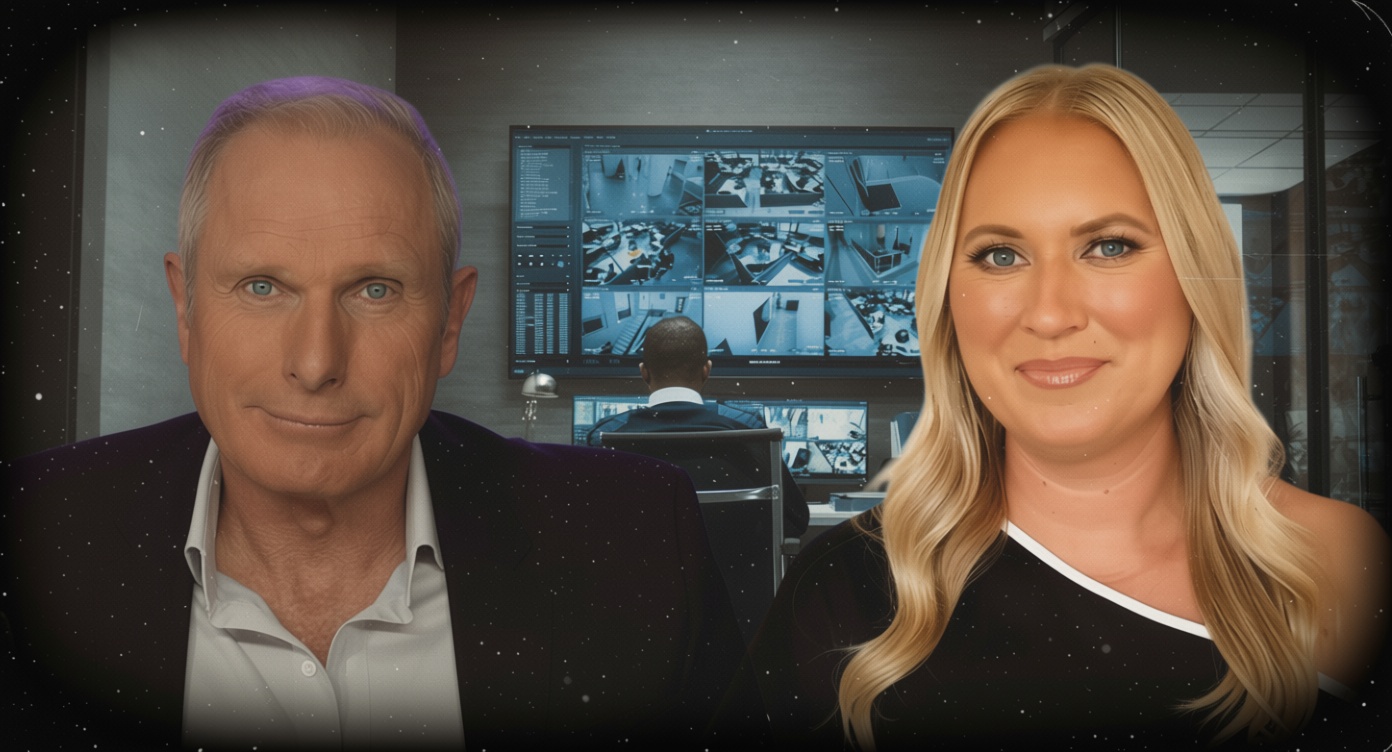
NewsNation special correspondent Ross Coulthart used a recent “Reality Check” Q&A segment to examine two of the most closely watched threads in the UAP debate: the Pentagon’s interest in a large private UFO archive and lingering questions about anomalous activity near White Sands Missile Range. The discussion, hosted with producer Meagan Medick, touched on recent UAP legislation, whistleblower protections, and a series of reported encounters that Coulthart argues deserve more serious attention from the Department of Defense and Congress.
Pentagon Interest in Private UFO Records
A central topic in the episode was a report from DefenseScoop that the Pentagon’s All-domain Anomaly Resolution Office (AARO) is seeking access to a substantial private collection of UFO records maintained by David Marler at the National Unidentified Flying Object Historical Records Center. Coulthart said the move raises an important question about how the federal government is meeting its obligations under the National Defense Authorization Act, which directs AARO to compile a historical record of U.S. government involvement with UAPs dating back to 1945.
Coulthart suggested the Pentagon may be leaning on private archives to satisfy that mandate instead of fully searching its own internal files, which he described as potentially classified or otherwise withheld from public scrutiny. In his view, that could allow the Department of Defense to avoid confronting what he characterized as an 80-year history of alleged secrecy and cover-up. While the archive itself may help piece together the documentary record, Coulthart argued that outside material should not substitute for a transparent accounting from the government.
NDA Waivers and Whistleblower Frustration
The segment also addressed questions about non-disclosure agreement waivers for UAP whistleblowers. In response to a viewer’s question about why former President Donald Trump focused on space-related executive orders instead of broad disclosure protections, Coulthart said Trump did, in fact, authorize a process for waiving NDAs for current and former employees. He cited comments from Arron Lucas of the Office of the Director of National Intelligence, who confirmed the order in July 2024.
Still, Coulthart was sharply critical of the policy’s practical effect, calling it “useless” because the waivers only apply if witnesses disclose through “authorized channels” such as AARO or the Pentagon’s “Pursue” initiative. According to Coulthart, many whistleblowers do not trust those pathways, believing the very agencies tasked with collecting the information have historically suppressed it. He argued that the structure does little to protect people who want to speak directly to Congress or the public.
White Sands, Orbs, and Military Encounters
Coulthart then turned to reports involving White Sands Missile Range, where mainstream coverage has recently focused on drone incursions and security concerns. He suggested those public reports may help “muddy the waters” around more unusual claims, including accounts of orb-like anomalies near military installations. Coulthart pointed to documents associated with the “Pursue” initiative, which he said include references to unexplained encounters at ranges where nuclear technology is present.
He also repeated a long-running theory in UAP circles: that military sites, particularly those involving nuclear systems, may attract non-human intelligence. While he offered no independently verified evidence for that proposition, he framed the issue as one that should be studied carefully rather than dismissed. The discussion also touched on historical and modern reports of “Nordic” humanoid encounters, including cases from England, Oklahoma, and Bolivia that Coulthart said he believes are not simply artifacts of 20th-century UFO culture.
Public Perception and the Push for Credibility
The episode ended with a broader critique of media treatment of the subject. Coulthart pointed to actress Sandra Bullock’s account of seeing five lights in formation over Saint Martin, saying her comments reflected a growing willingness among public figures to acknowledge unexplained experiences. He argued that recurring jokes, “tin foil hat” imagery, and X-Files references continue to discourage serious investigation into a phenomenon that, in his view, the Pentagon has already acknowledged remains unresolved.
Overall, the discussion underscored a familiar tension in the UAP debate: lawmakers and investigators are building new disclosure mechanisms, but trust remains a major obstacle. Coulthart’s message was that transparency without credible protection for witnesses may not be enough to produce the kind of historical accounting many advocates say is still missing.