Overview
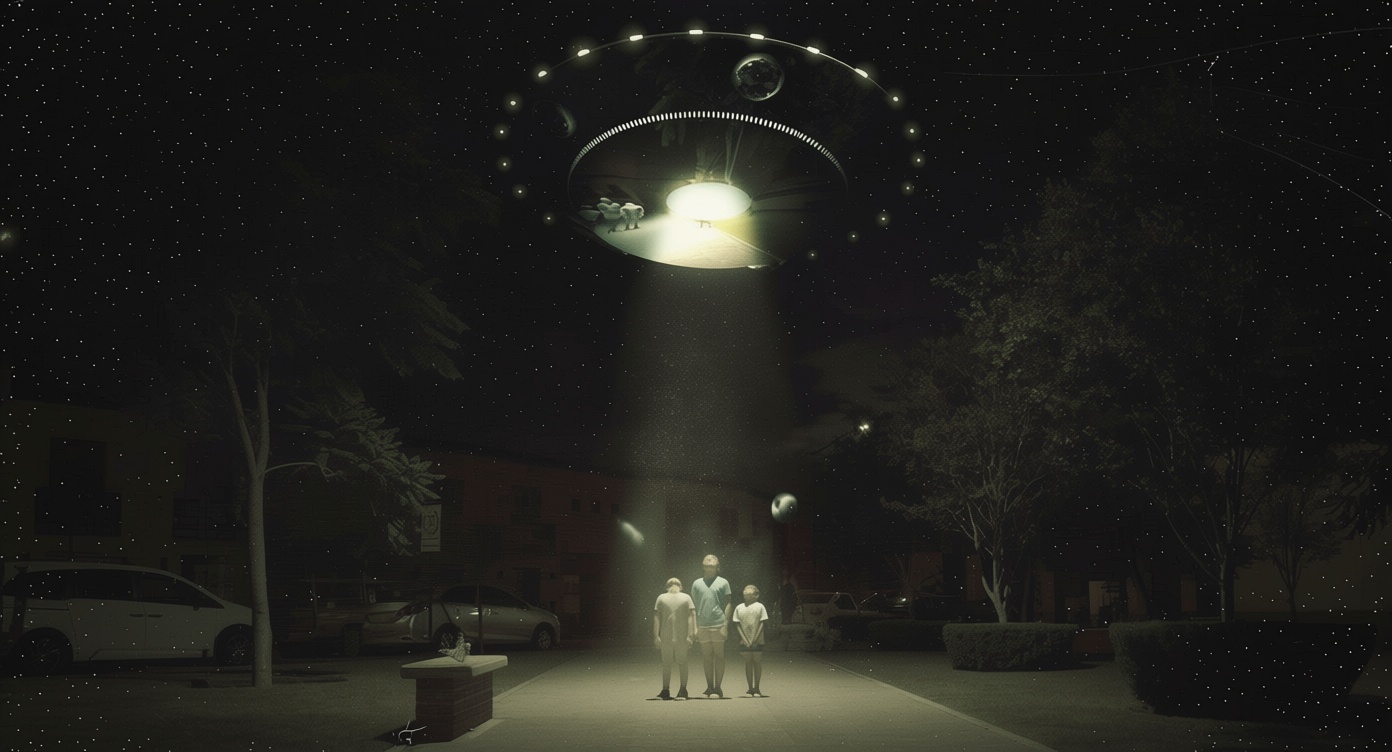
Sen. Marco Rubio said he does not believe President Donald Trump would hide UFO footage or other UAP-related evidence if it came into his possession, adding another political voice to the long-running debate over government transparency on unidentified anomalous phenomena. Speaking on The Katie Miller Podcast, Rubio framed the issue less as a matter of science-fiction speculation than as a national security concern, arguing that unexplained objects operating near military facilities deserve serious scrutiny. If compelling evidence ever reached the Oval Office, Rubio suggested, Trump would be more likely to publicly disclose it than suppress it.
National security, not folklore
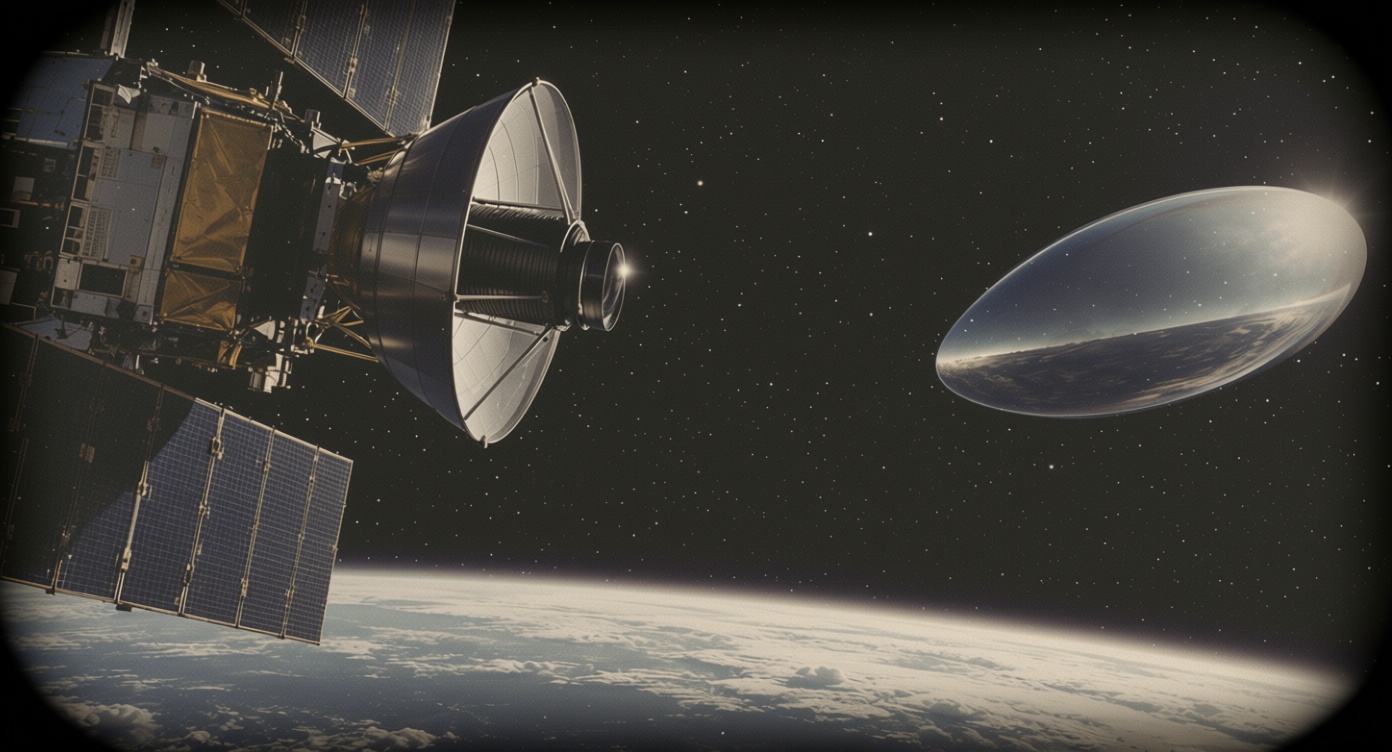
Rubio emphasized that his interest in UAPs stems from questions about unauthorized activity in restricted U.S. airspace, particularly around military installations. “I don't know who it is. I don't know what it is, but there are things flying over our military installations, and they're not ours, and we should look into this, be serious about it,” he said. He pushed back on dismissing the topic as internet-driven conspiracy theory, saying the public should care about what is being observed and whether the government is fully informed. For Rubio, the central issue is not whether the phenomena are extraterrestrial, but whether American forces are facing unexplained incursions that warrant official investigation.
Trump team pushes a disclosure narrative
Rubio’s comments come as the Trump administration has taken an unusually open posture on UAP material. According to White House spokeswoman Anna Kelly, the president has directed the Department of War to identify and release files related to “alien and extraterrestrial life, unidentified aerial phenomena, and unidentified flying objects.” Kelly said the administration is committed to “maximum disclosure” and argued that Trump is “the most transparent president in history.” The Pentagon has also released several UAP videos in 2026, while the White House has taken steps to loosen restrictions around certain information channels. In July, Trump directed federal agencies to void earlier non-disclosure agreements for former government employees and military contractors willing to cooperate with official inquiries.
Internal channels, not blanket declassification
Officials tied to the All-domain Anomaly Resolution Office (AARO) said the policy change is intended to encourage witnesses to come forward through official government pathways rather than to function as a sweeping declassification order. Under the revised approach, former personnel with relevant information may present evidence to AARO or to the administration’s UAP task force, PURSUE, without fear of violating older NDAs. That distinction matters politically: the administration is signaling openness while still preserving control over how, when, and through which channels sensitive material is released. For supporters, it is a pragmatic way to encourage disclosure; for skeptics, it is still short of full public transparency.
Rubio’s candid admission fuels debate
Rubio also added a more surprising layer to the discussion by admitting he once used UAP talk as a “diversionary tactic” in the Senate. He said the subject was “extraordinarily effective” as a political smoke screen, while insisting that it remains a legitimate issue that lawmakers should address. That remark has drawn criticism from parts of the UFO research community, which has long argued that congressional interest is finally helping move the issue into the mainstream. Even so, Rubio’s comments underscore the unusual place UAPs now occupy in Washington: part intelligence concern, part public disclosure battle, and part political talking point.