Overview
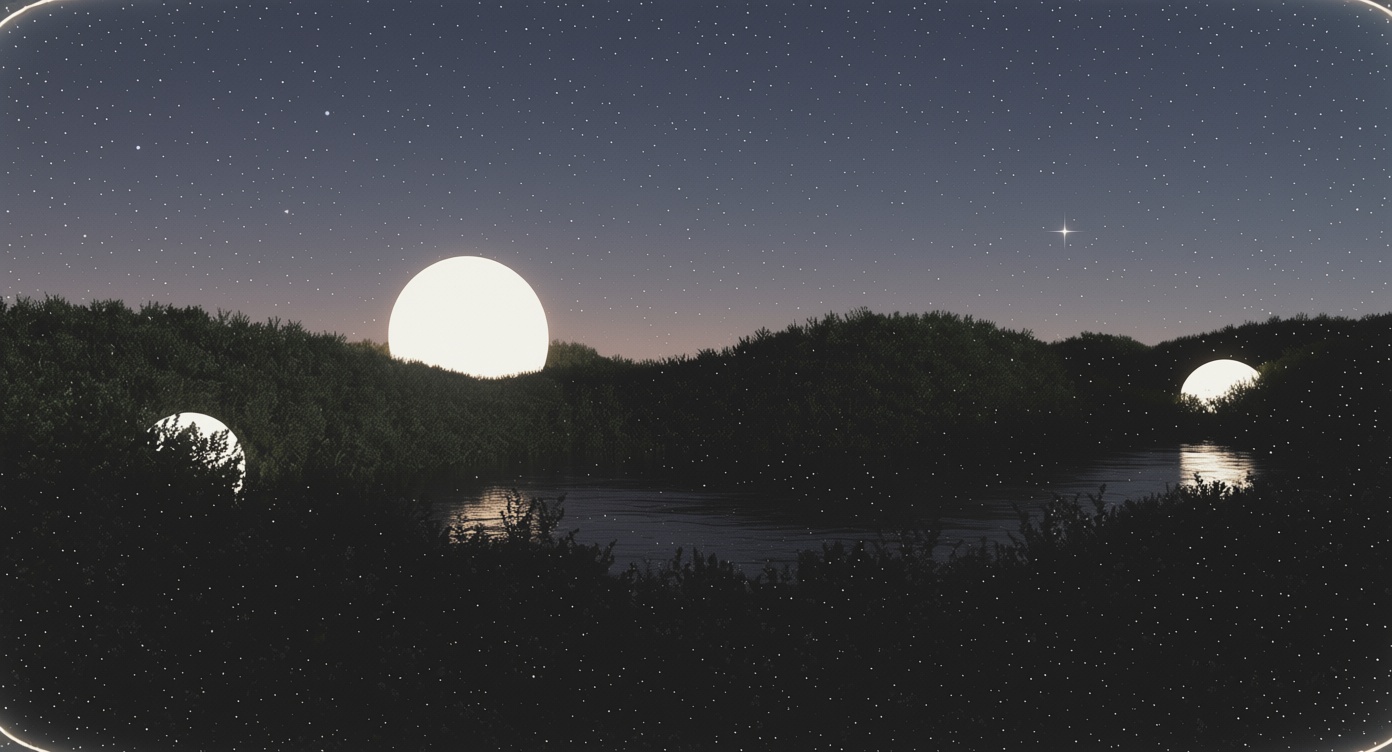
A new Popular Mechanics roundup is taking aim at one of the American Southwest’s most enduring mysteries: the Marfa Lights of West Texas. For nearly 150 years, cowhands, motorists and tourists have reported seeing glowing orbs flicker across the desert near the small town of Marfa, fueling everything from local folklore to UFO speculation. According to the magazine’s report, scientists may now have identified a geothermal source that could explain the lights, offering a potentially terrestrial answer to a phenomenon long associated with the unexplained.
The Marfa Lights have survived generations of scrutiny precisely because they seem to defy easy explanation. Witnesses have described them as luminous balls appearing on the horizon, shifting in brightness and seeming to move in ways that invite mystery. Over the years, the lights have become both a tourist draw and a case study in how unresolved sightings can evolve into cultural legends. The new scientific theory, if confirmed, would not erase that history, but it could finally provide a plausible mechanism for the glowing displays that have drawn curiosity since the 19th century.
What Scientists May Have Found
The Popular Mechanics article suggests the lights may be tied to geothermal activity in the region, a finding that would align the phenomenon with known natural processes rather than unidentified aerial objects. Geothermal explanations often point to heat-driven interactions beneath the surface—conditions that can produce light, reflected glows or atmospheric effects under the right circumstances. In a place like West Texas, where the landscape is vast and environmental conditions can be unusual, such a source could help account for why the lights appear intermittently and why they have been so difficult to pin down.
That said, a proposed explanation does not automatically settle the matter for every observer. Marfa has long been a magnet for competing interpretations, and sightings are often shaped by distance, weather, terrain and expectation. But the appeal of a scientific explanation is obvious: rather than treating the lights as an extraterrestrial mystery, researchers are examining whether the phenomenon fits within the known behavior of the Earth itself. For a story that has endured for nearly a century and a half, that shift is significant.
A Broader History of UFO Lore
The Marfa case is only one part of the roundup. Popular Mechanics also revisits several other notable UFO stories and historical sightings from the U.S., Canada, Italy and beyond, underscoring how widespread these legends have become. These cases often share a common pattern: a dramatic sighting, a lack of conclusive evidence, and decades of public fascination that keep the stories alive long after the original witnesses are gone.
That broader context matters because it shows how UFO narratives are built not just on unexplained lights in the sky, but on the interplay between eyewitness memory, local identity and scientific uncertainty. Some cases eventually resolve into natural explanations; others remain contested or incomplete. In either scenario, they continue to shape public discussion about what people think they have seen and what science can realistically verify.
Why the Marfa Lights Still Matter
Even if geothermal activity ultimately proves to be the source of the Marfa Lights, the story will likely retain its place in UFO history. The mystery has already left a mark on the town, on regional tourism and on the larger cultural fascination with strange aerial phenomena. What makes the case compelling is not just the possibility of an answer, but the fact that a simple light over the horizon could sustain wonder for nearly 150 years.
For now, the new theory offers a reminder that many famous “UFO” cases begin with something far more grounded: a visual anomaly, a dramatic setting and a story that grows with time. Whether the Marfa Lights are finally being explained or only better understood, the latest research pushes the case one step closer to science—and one step farther from the unknown.