Overview
Scientists studying Norway’s Hessdalen lights say the long-running phenomenon may offer a framework for examining two unexplained aerial incidents described in recently released U.S. government UFO files. The comparison centers on reports of luminous orbs that appeared to divide, change direction or produce smaller objects—features that researchers say resemble some observations documented in Hessdalen.
The claims were reported by PARADIGM on Sept. 22, 2026, amid what the publication described as the Trump administration’s continuing release of UFO-related records. The source emphasizes that the proposed connection is an area for scientific investigation, not established evidence that the incidents share the same cause.
The Western U.S. Incident
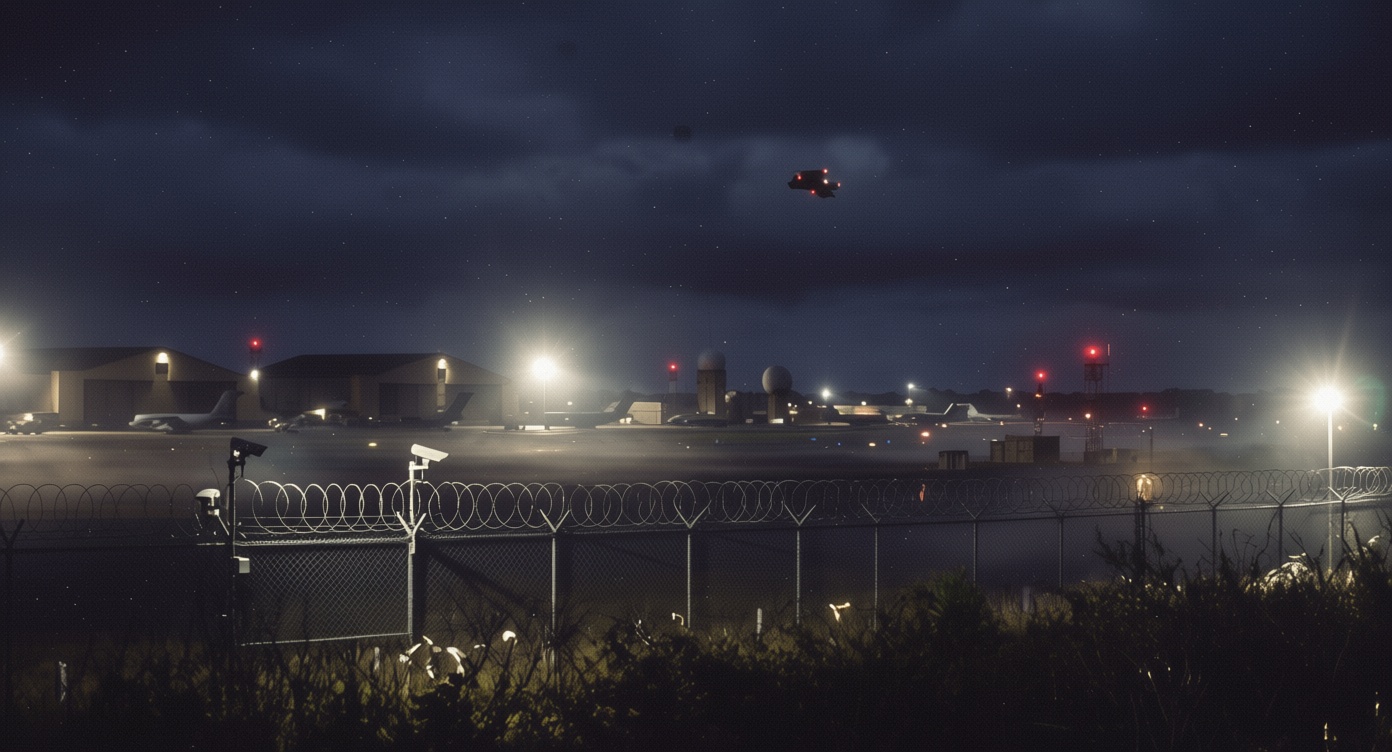
The first case reportedly took place over two days in October 2023 in a mountain valley in the western United States, near a sensitive national-security site. According to documents attributed to the War Department, six federal law-enforcement agents observed luminous orbs around dusk.
An analysis memorandum prepared by the Pentagon’s All-domain Anomaly Resolution Office identified what it called the incident’s most distinctive feature: a “luminous orange ‘mother orb’” that appeared to produce smaller red orbs repeatedly over several hours. The account does not, by itself, establish whether the objects were physical craft, atmospheric phenomena, sensor artifacts or something else.
Researchers familiar with Hessdalen told PARADIGM that the apparent emergence of smaller lights from a larger one is notable because similar behavior has been recorded in Norway. The comparison is based on descriptions of the observations; the available material does not indicate that investigators have demonstrated a direct relationship between the two events.
The Helicopter Observation
The second case reportedly occurred late in 2025 and involved a senior U.S. intelligence official observing luminous orbs from a helicopter. Ground teams were said to have tracked a hot, low-flying object moving at high speed before it “split into two and changed direction.”
Such descriptions have attracted attention because they combine apparent luminosity with movements that witnesses interpret as abrupt or unusual. However, eyewitness accounts can be affected by distance, perspective, atmospheric conditions and limitations in available tracking data. The source material does not provide sufficient technical information to determine how the object was detected or whether independent sensors confirmed the reported maneuvers.
What Hessdalen Research Shows
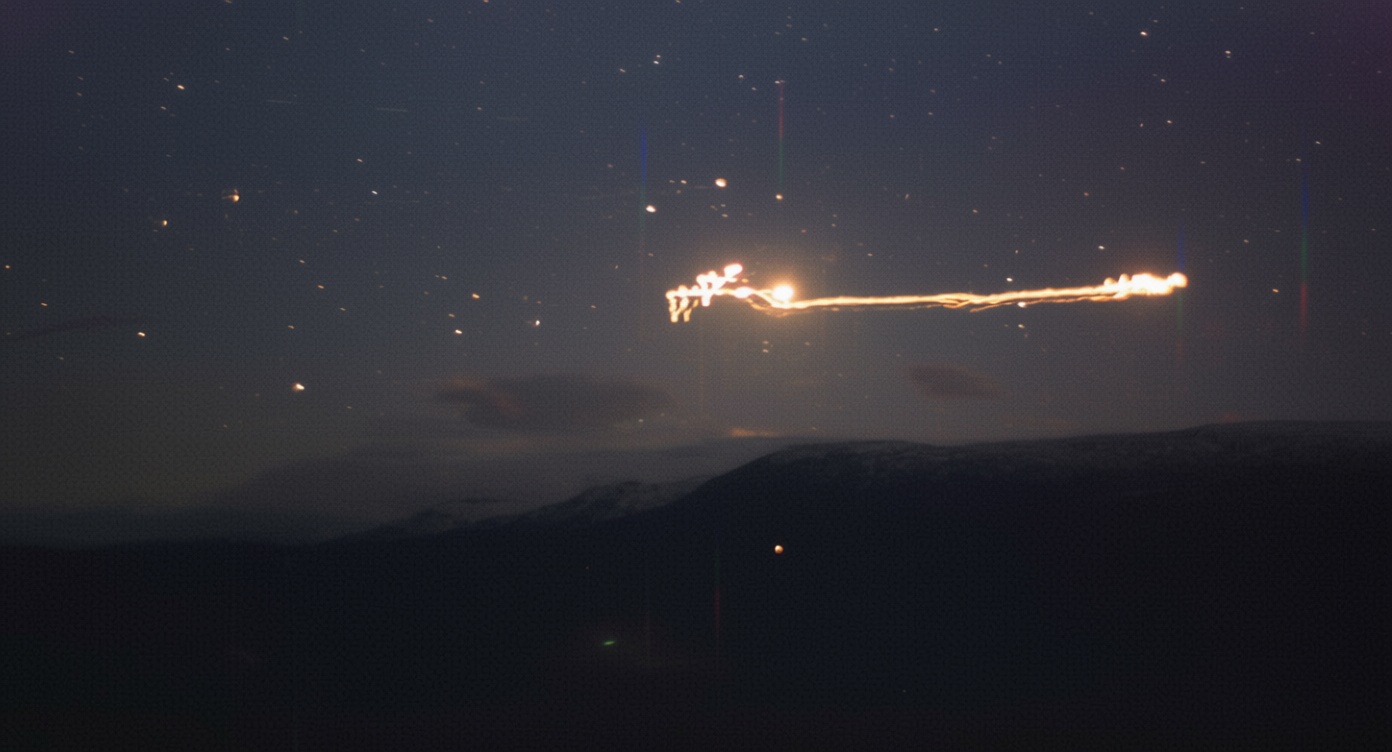
Lights have been reported above Norway’s rural Hessdalen valley since at least the 1930s. Witnesses have described objects or glows in different colors and shapes, with varied speeds and movement patterns. The phenomenon remains unresolved, although scientists have proposed several natural explanations.
One leading line of inquiry involves plasma or electrically charged atmospheric phenomena. Other researchers have suggested that the valley’s unusual geology could help generate an electric field capable of producing or sustaining luminous formations. A 2004 study by Italian astrophysicist Massimo Teodorani documented what it described as the “ejection of mini light balls” from a larger ball of light, a feature that superficially echoes the “mother orb” account in the U.S. case.
Evidence, Limits and Open Questions
The similarities are intriguing but remain circumstantial. Hessdalen observations have not been conclusively explained, and resemblance in appearance or behavior is not proof of a common mechanism. Establishing a connection would require synchronized, high-quality observations, including calibrated imagery, radar or other sensor data, atmospheric measurements and geological analysis.
The discussion has also prompted speculation about whether the lights could be sentient or intelligent. No evidence presented in the source material supports that conclusion. At this stage, the most defensible interpretation is that Hessdalen provides a valuable natural laboratory for studying unexplained luminous phenomena—while the U.S. incidents remain unresolved cases requiring further data and independent scientific review.