Historical Intelligence Review
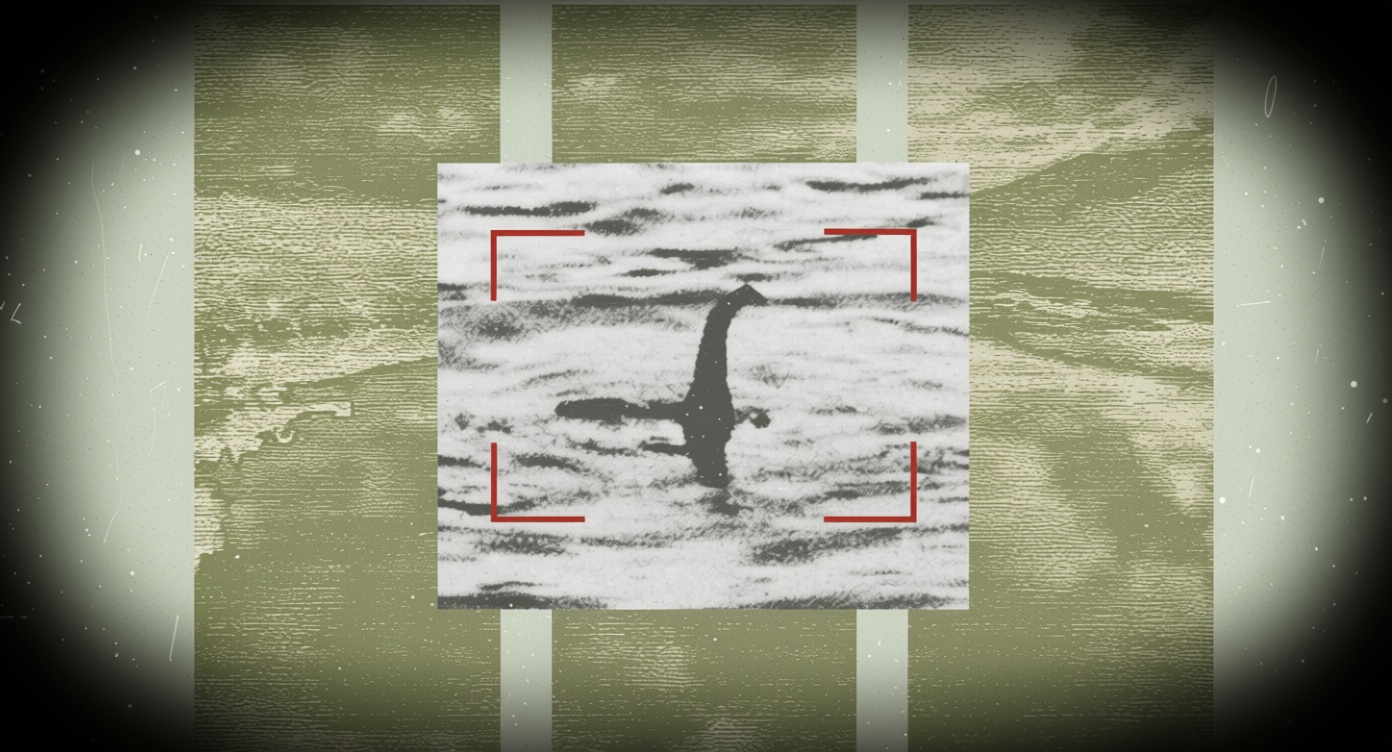
Recently reported details about a 1960s British intelligence assessment have renewed interest in one of the most famous pieces of Loch Ness Monster evidence. According to historical files and correspondence discussed in a report by The Times, specialists concluded that footage recorded at Loch Ness appeared to show a probably living, or “animate,” object moving through the water.
The assessment was conducted by the Joint Air Reconnaissance Intelligence Centre, or JARIC, an organization experienced in interpreting aerial reconnaissance imagery. Its involvement did not amount to official confirmation of the Loch Ness Monster. Rather, analysts were asked to examine film submitted by researchers seeking a technical opinion on an unidentified shape and the wake it produced as it moved across the surface of the Scottish loch.
The 1960 Sighting
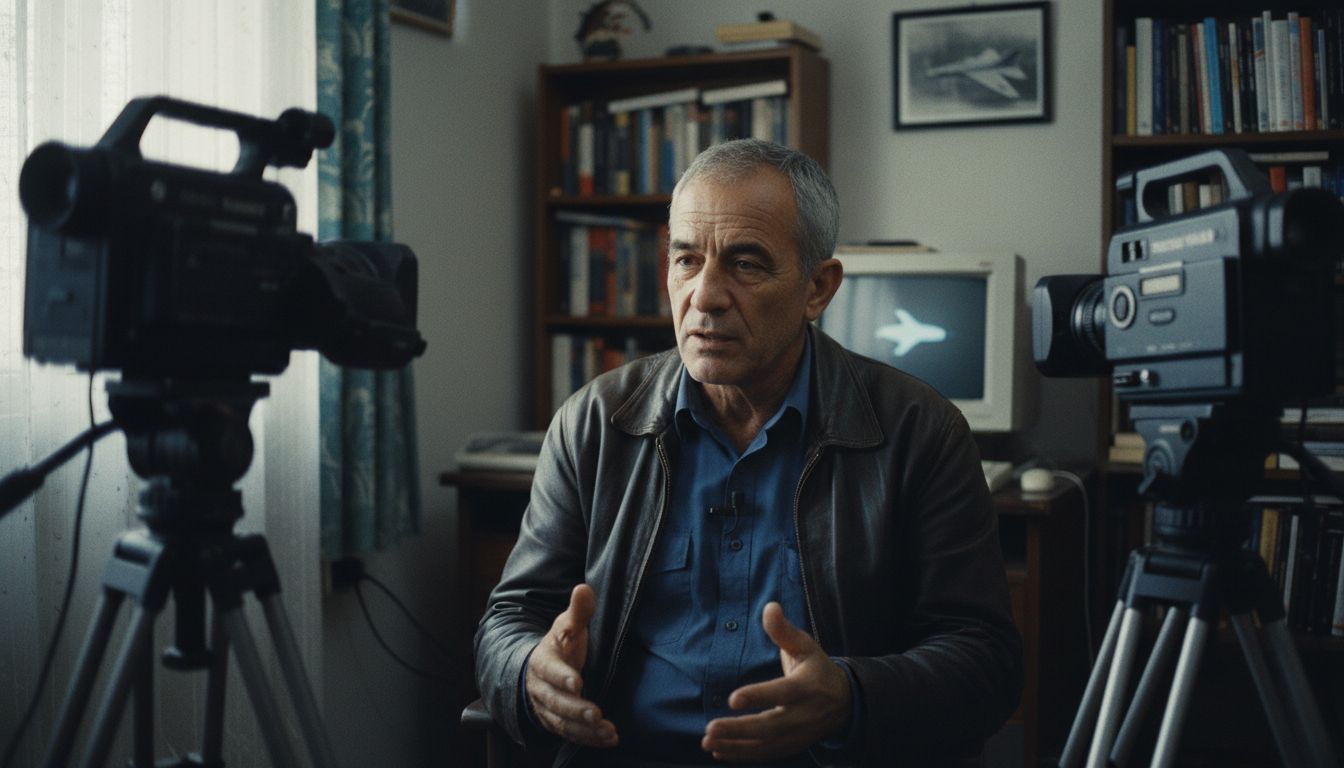
The footage was recorded on April 23, 1960, by Tim Dinsdale, an aeronautical engineer and former Royal Air Force pilot. Dinsdale had travelled to the Highlands to investigate longstanding reports of a large, unidentified animal in Loch Ness. While observing the water from elevated ground near Foyers on the loch’s eastern shore, he noticed a dark object moving in the distance.
Dinsdale retrieved a 16mm cine camera and filmed the object as it travelled away from him. The resulting sequence showed an indistinct form on the water accompanied by a visible wake. Dinsdale believed it might represent the creature described by generations of witnesses, although the distance, limited image quality and lack of clearly defined features made the footage difficult to interpret conclusively.
The film became one of the most influential items of evidence cited by supporters of the Loch Ness Monster’s existence. Its apparent movement helped distinguish it from some proposed explanations involving floating debris or surface disturbances, while its ambiguous appearance left room for competing interpretations.
What JARIC Concluded
The Loch Ness Phenomena Investigation Bureau later submitted the film to JARIC for analysis. Intelligence specialists examined the object’s apparent size, movement and other visible characteristics, producing a photographic interpretation report in February 1966.
The analysts assessed the object as “probably animate,” indicating that they believed it was more likely to be something living than an inanimate object moving through the water. That judgment is significant because it came from specialists accustomed to evaluating difficult imagery, rather than from witnesses or amateur investigators alone.
However, the assessment stopped well short of identifying the object. It did not establish that a previously unknown animal lived in Loch Ness, determine the creature’s species or rule out conventional explanations. “Probably animate” described the analysts’ interpretation of the footage—not proof of a monster.
Renewed Attention
The historical assessment has returned to public attention following a report published by The Times on October 25, 2026. The report described correspondence involving Lord Shackleton, then a British defence minister, and Loch Ness researcher David James. The correspondence reportedly indicated that officials were concerned about publicity surrounding the Ministry of Defence’s role in examining the footage.
The material has also been discussed in a new book by veteran Loch Ness investigator Adrian Shine, published October 20. While JARIC’s conclusions have reportedly been known for decades, the ministerial correspondence offers additional context about how government involvement was viewed at the time. The files add historical weight to the story, but they do not resolve the Loch Ness mystery. They show that trained analysts considered the filmed object likely to be alive—not that an unidentified species has been scientifically verified.