Overview
New Mexico’s UFO history is once again in focus as a recent column revisits the Socorro sighting of April 24, 1964 — a case long regarded by researchers as one of the most credible unexplained encounters on record — while also nodding to a provocative claim tied to Roswell: that a physics professor may have caused the famed 1947 incident. The Socorro case has endured for decades because it combined a credible witness, physical traces and a story that never quite fit neat explanations, helping cement the state’s reputation as ground zero for American UFO lore.
At the center of the Socorro event was Lonnie Zamora, a respected local police officer who reported seeing a bright flame in the sky, followed by a “shiny type object ... oval in shape.” In his Project Blue Book report, Zamora said he also saw “two people in white coveralls” near the craft, which appeared to rise about 15 feet and then depart “travelling very fast.” When investigators later examined the site, they found smoldering brush, pod-like tracks and burn marks, details that helped make the case stand out from countless other UFO claims.
Why the Case Still Matters
The sighting drew national attention at the time and attracted serious interest from prominent investigators, including astronomer J. Allen Hynek, who visited Socorro and examined the scene. UFO author Ray Stanford later devoted an entire book to the incident, Socorro Saucer in a Pentagon Pantry, and the case was featured on Unsolved Mysteries. In that program, researcher Jerome Clark argued there was “not one iota of evidence” that the event involved a military craft being tested — a challenge that has continued to fuel debate ever since.
The column argues that Zamora was likely telling the truth about what he saw, even if the nature of the object remains unresolved. It also notes that while many scientists accept the possibility of life elsewhere in the universe, they generally view interstellar visitation as highly unlikely because of the enormous energy requirements involved. That leaves Socorro in a familiar middle ground for UFO history: credible enough to resist dismissal, but mysterious enough to defy consensus.
Alternative Explanations and Roswell Connections
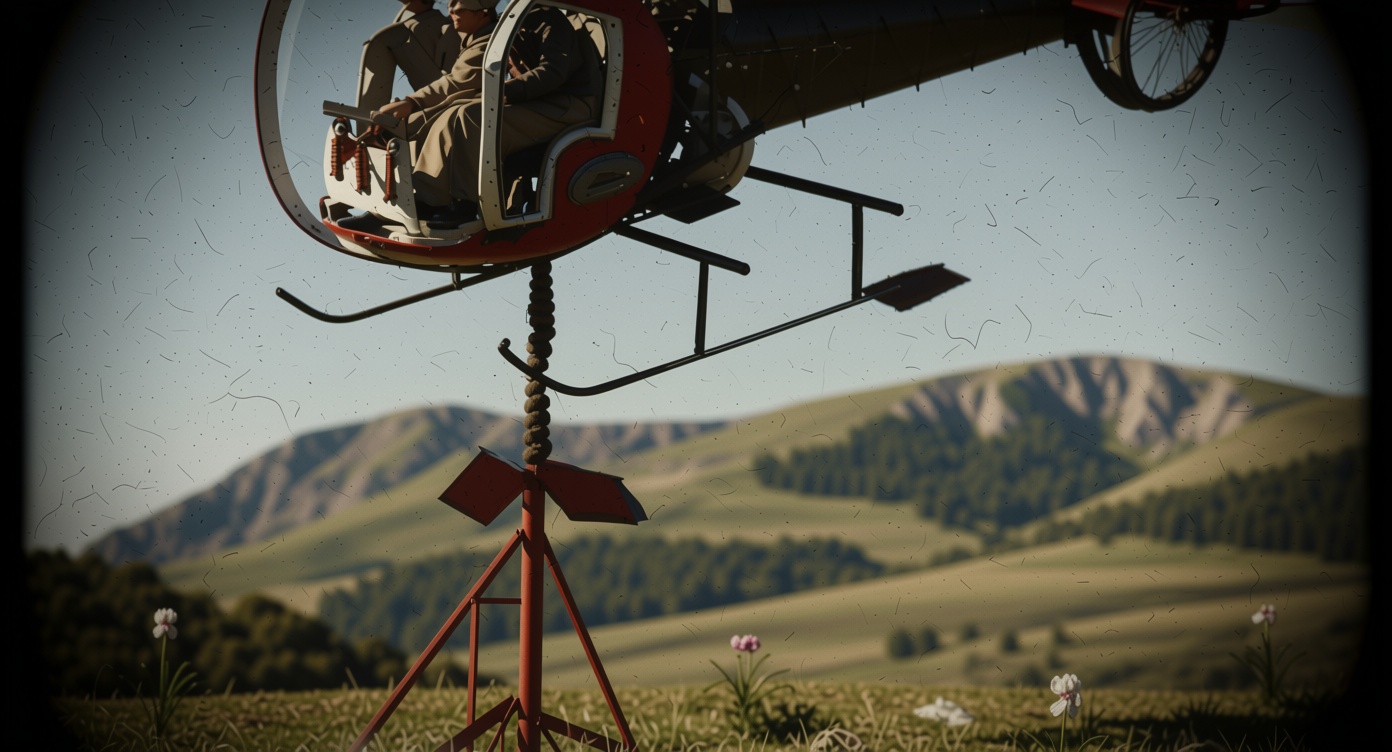
Over the years, several explanations have been offered for what Zamora witnessed. One of the most concrete comes from White Sands Missile Range records. In 1995, Bernard “Duke” Gildenberg of Holloman Air Force Base learned from Capt. James McAndrew, then the Air Force’s Roswell point man, that special tests were being conducted on April 24, 1964, at the north end of White Sands involving a helicopter used to carry a Lunar Surveyor. A range log also reportedly confirms Surveyor testing that day, suggesting that a strange-looking piece of aerospace equipment could have played a role in the sighting.
Other accounts point in different directions. A 1965 letter from Linus Pauling to then-Tech president Stirling Colgate includes a handwritten note stating, “I have good indication of student who engineered hoax. Student has left. Cheers, Stirling.” Colgate later told the columnist he could not remember the details. Another claimant, identifying himself as a former Tech student named Bruno, alleged that he and a friend were using dynamite to launch 55-gallon drums when Zamora unexpectedly arrived on the scene.
Enduring Mystery
There is also a more grounded-sounding, if still speculative, local theory from Dorothy Landoll, who recalled that a description of the object matched images of the Apollo Lunar Excursion Module she later saw in a newspaper. Whether the explanation lies in military testing, a student prank, or something still unaccounted for, the Socorro case continues to occupy a unique place in UFO history — one that links directly back to the broader mythology of Roswell and the long-running question of what New Mexico’s most famous unexplained events really mean.