Overview
Reports of unidentified flying objects have long captured public attention, but the overwhelming majority of sightings are eventually traced to familiar causes. According to the broader pattern reflected in UFO reporting, most cases can be explained by natural phenomena, human-made objects, or simple misperception once investigators have enough information. That leaves a relatively small subset of incidents unresolved — and those are the ones that continue to drive speculation about alien visitation, advanced secret technology, or other extraordinary explanations.
What Most Sightings Turn Out To Be
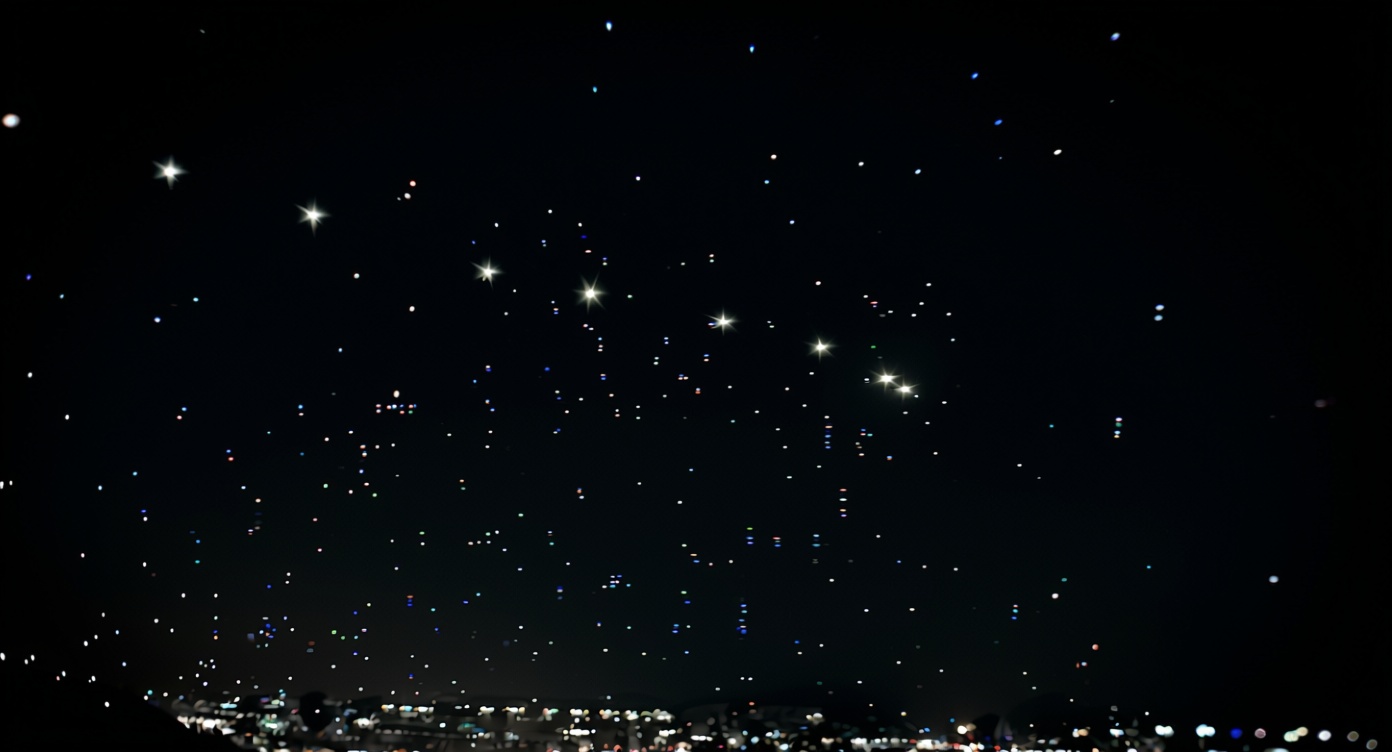
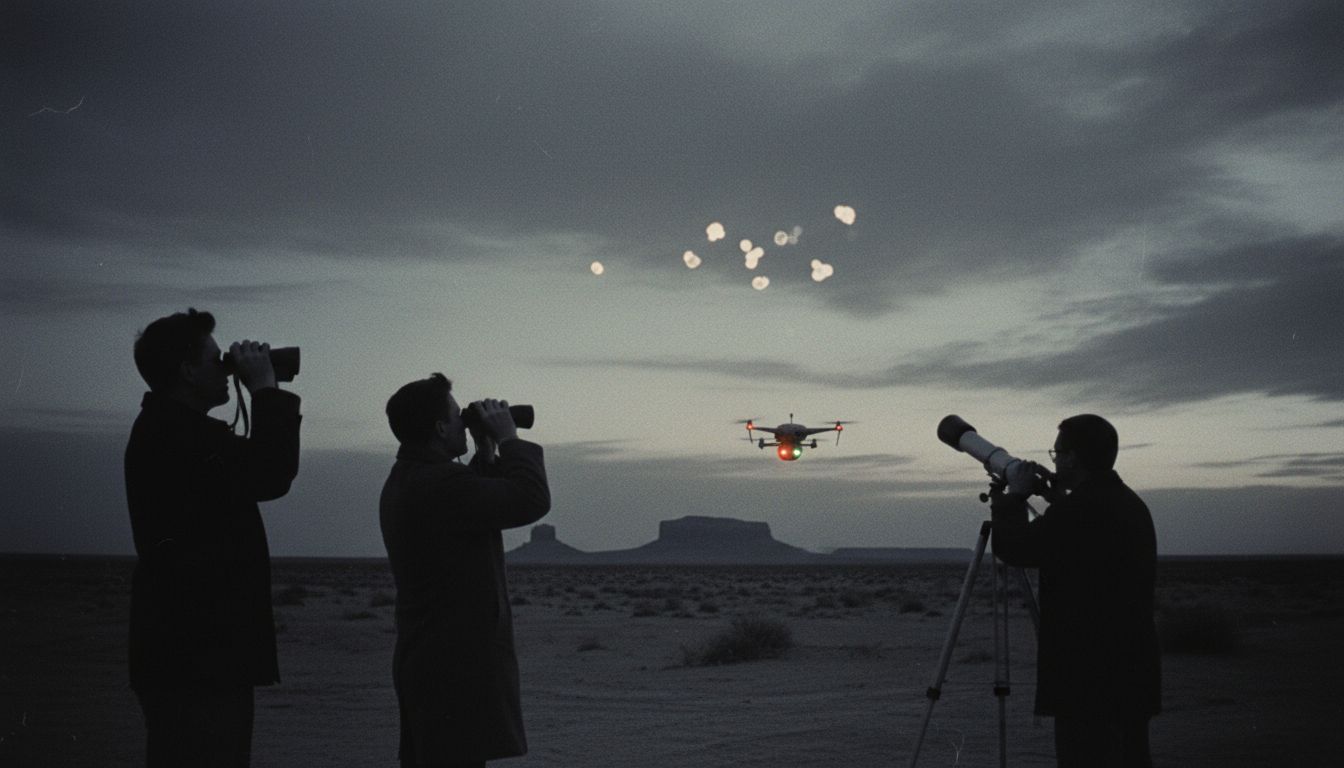
In many cases, what witnesses initially describe as a UFO is later identified as something far more ordinary. Common explanations include aircraft, drones, weather balloons, satellites, atmospheric effects, astronomical objects, birds, and reflections or camera artifacts. In low-light conditions or from unusual viewing angles, even experienced observers can misread speed, distance, or altitude, leading to reports that sound mysterious at first but become understandable after review.
This pattern is central to why experts urge caution when evaluating UFO claims. A sighting is not automatically evidence of something exotic simply because it is unfamiliar. Often, the quality of the evidence — such as the absence of clear video, radar data, or multiple corroborating witnesses — determines whether investigators can reach a confident conclusion. When the available information is incomplete, cases may remain open simply because they cannot be definitively resolved.
Why Some Cases Remain Unexplained
Despite the prevalence of conventional explanations, a small number of sightings do remain unexplained. In those instances, investigators may determine only that the reported object or event does not match available data well enough to identify it with certainty. That distinction is important: “unexplained” does not mean “alien.” It typically means the evidence is too limited, too ambiguous, or too contradictory to support a firm conclusion.
These unresolved cases often persist in public discussion because they leave room for imagination. When a sighting cannot be matched to a known aircraft, satellite pass, or natural phenomenon, it becomes a blank space onto which people project broader theories. For some, that means extraterrestrial life; for others, it suggests classified military systems or gaps in current scientific understanding. The uncertainty itself helps keep the topic alive.
Broader Context And Public Interest
UFOs — or, in more current government and media usage, unidentified anomalous phenomena (UAP) — remain a subject of serious interest because they sit at the intersection of science, security, and public curiosity. Governments have periodically examined reports to better understand airspace safety and to distinguish between misidentifications and potential threats. That institutional interest has helped normalize the topic, even as it has not provided a definitive answer to the most mysterious cases.
For now, the evidence points to a simple but important conclusion: most UFO sightings have ordinary explanations, but a minority do not yet have one. That unresolved remainder is enough to keep the debate going, feeding both measured scientific inquiry and enduring speculation about what, if anything, may be behind the cases that continue to defy easy explanation.