Overview
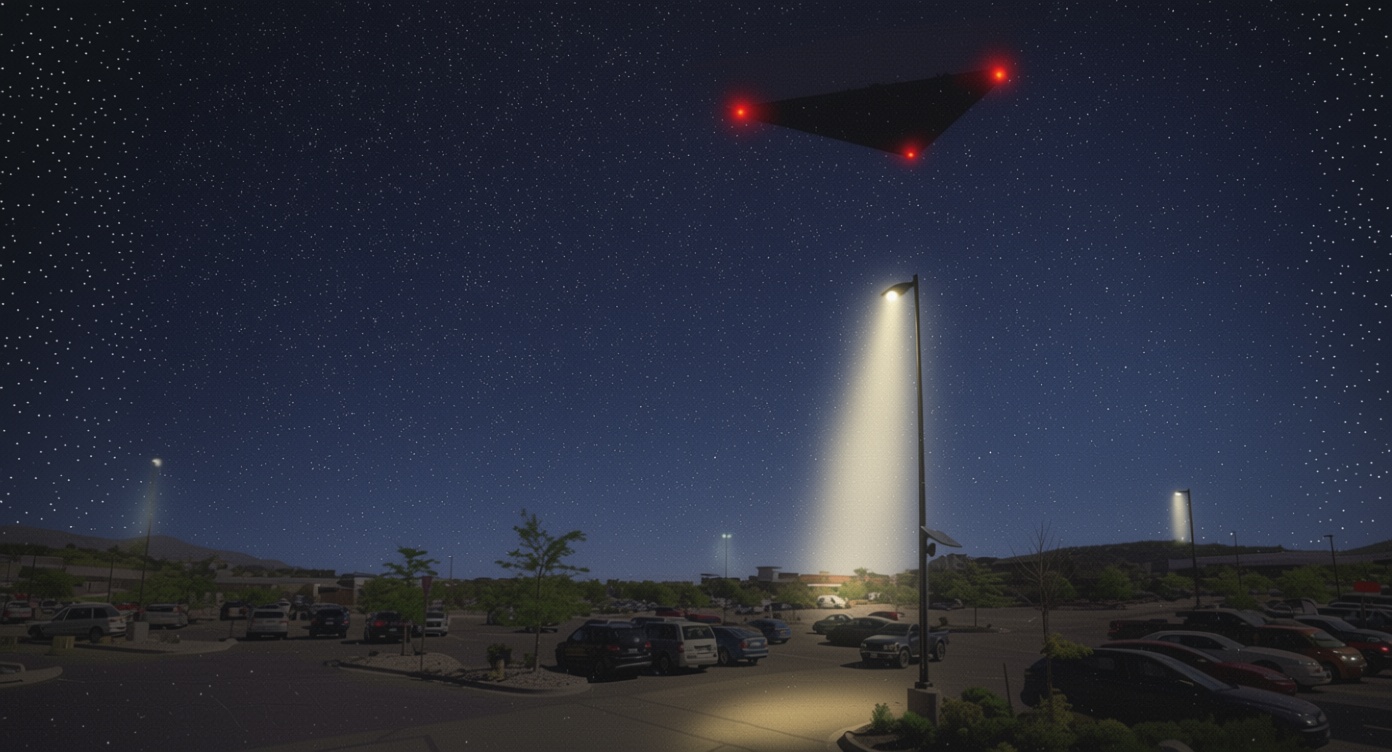
A newly reported incident involving a roughly 100-foot triangular unidentified aerial phenomenon over a Colorado military base is drawing fresh attention to how the U.S. government handles UAP cases, especially when the footage is not made public. According to a report published Aug. 8 by the New York Post, sources say the object was captured on video, but the Air Force has declined to release the recording, fueling renewed speculation about what may be known behind closed doors and what remains classified.
The description places the object among the more visually distinctive sightings reported in recent years: triangular craft are a recurring feature in UAP accounts from military personnel, pilots and other observers. But as with many such claims, the key question is not simply what was seen — it is what evidence exists, who controls it, and why it is not being shared. In this case, the reported refusal to disclose the video has become part of the story itself.
What the Report Says
The article’s core allegation is that a large triangular object, estimated at about 100 feet in size, was documented on video over a Colorado military installation. The report does not, based on the available summary, identify the base, specify when the footage was recorded or describe the exact circumstances of the sighting. Those missing details matter, particularly in a field where ambiguity can quickly turn into overstatement.
Still, the reported size estimate would make the object substantial by any standard, and the triangular shape would likely intensify interest among UAP researchers and skeptical observers alike. The fact that the Air Force has not released the video leaves the public unable to assess the object’s movement, altitude, lighting or whether the image could be explained by a known aircraft, sensor artifact or other conventional source. In UAP cases, those details often determine whether a sighting remains unresolved or is eventually identified.
Secrecy and Public Skepticism
The report lands at a moment when government transparency around UAPs remains a live issue. Over the past several years, the Pentagon and Congress have both acknowledged that unexplained sightings occur and that some incidents may pose national security concerns. Yet many records remain unavailable to the public, and official disclosures are often limited to broad statements rather than raw video or full investigative files.
That tension is especially acute when alleged sightings occur near military sites, where the possibility of classified technology complicates public interpretation. A triangular object over a base could, in theory, point to secret defense testing, adversary technology, a misidentified aircraft or something else entirely. Without the footage, independent review is impossible. The result is a familiar UAP dynamic: more questions than answers, and growing suspicion that key evidence is being withheld.
Broader Context
The Colorado report fits into a larger pattern of renewed secrecy concerns around UAP incidents, where public appetite for transparency often collides with military caution. Supporters of disclosure argue that when the government holds back video or sensor data, it undermines trust and makes it harder to separate extraordinary claims from ordinary explanations. Officials, by contrast, often cite security, intelligence sensitivity or the need to protect methods and capabilities.
For now, the reported video remains unreleased, and the object’s identity unconfirmed. But the episode is likely to keep circulating among researchers and policymakers because it touches on a central issue in the UAP debate: whether the government is prepared to share enough information for the public to evaluate what is actually being seen in American skies.