Overview
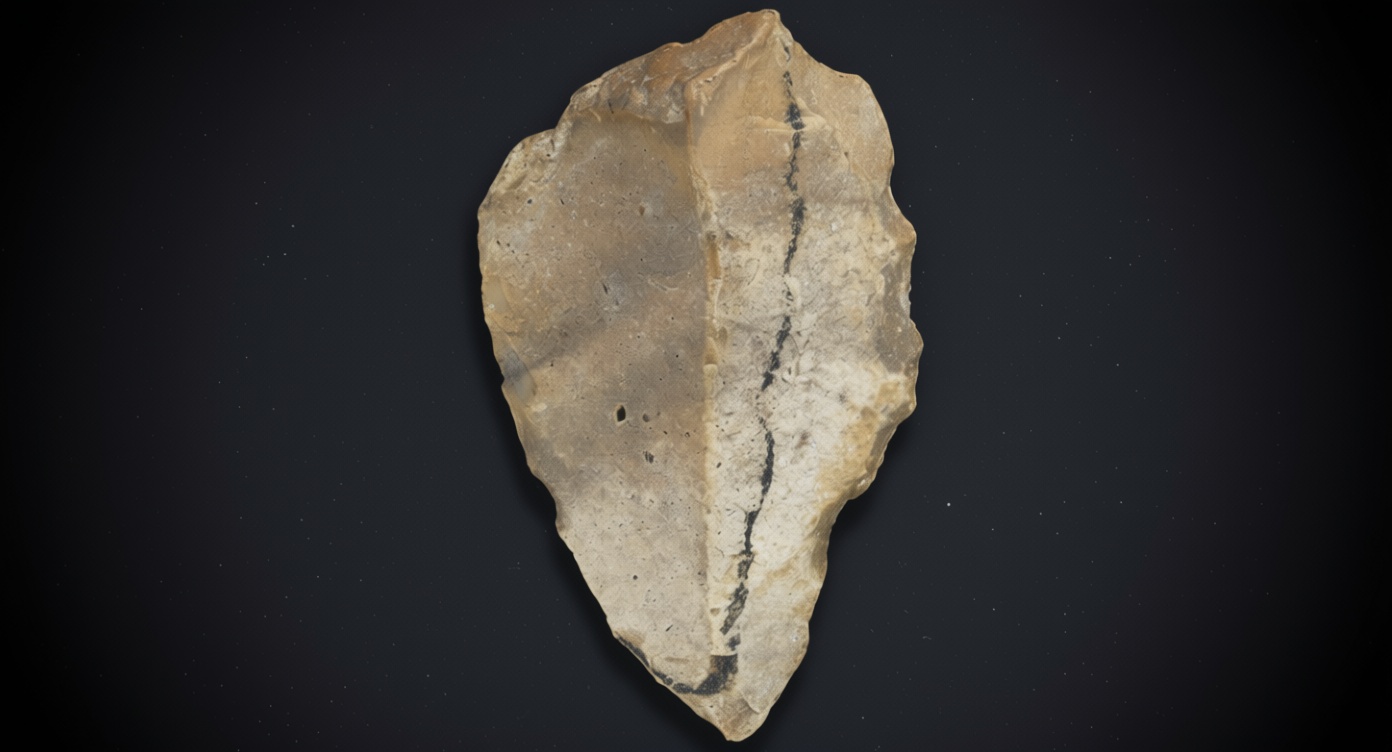
Archaeologists studying Sulawesi, a vast Indonesian island at the heart of Wallacea, say a new set of stone tools may point to the presence of a previously unknown hominid that lived there far earlier than once believed. The artifacts — simple flakes, cores and retouched stones — have been linked to early human relatives by researchers who see them as part of a broader pattern of hominid movement through island Southeast Asia, alongside better-known species such as Homo erectus, Homo floresiensis and Homo luzonensis.
Key Details
The new discussion centers on lithics from the Calio site, where researchers now believe the tools may date to at least 1.04 million years ago, and possibly as far back as 1.48 million years. If those estimates hold, they would represent the oldest known evidence of hominid presence on Sulawesi. The tools themselves are not elaborate; like the earlier finds at Talepu in the Walanae Valley, they are described as basic utility implements likely used for butchering animals and working wood.
That earlier Talepu discovery, published in Nature in 2016, already pushed back the timeline for hominid activity on the island, with dates ranging roughly between 200,000 and 100,000 years ago depending on the stratigraphic layers and dating methods used. The new Calio material suggests Sulawesi may have hosted hominins far earlier than previously documented, possibly long before the better-known island dwarfs of Flores and Luzon evolved.
A Hidden Branch of the Human Family?
Researchers are cautious, but the implications are significant. A stone tool assemblage this old does not prove the identity of its maker, yet it strongly suggests a long-established population rather than a brief visitation. In the absence of fossils, scientists can only infer that an as-yet-unknown hominid — potentially related to Homo erectus from Java — may have crossed into Wallacea and later given rise to other island lineages.
That possibility has led to renewed speculation about whether Sulawesi could eventually yield its own fossil surprise: a possible “Sulawesi Hobbit”, analogous to the famous Flores hominid. If such remains were ever found, they could help clarify how early humans dispersed across the islands separated by deep ocean channels and how island isolation may have shaped body size, behavior and survival strategies.
Why It Matters
Sulawesi sits in a key biogeographic zone between Asia and Australia, making it an important waypoint for any hominid route through the region. The island is larger than Java, but its ecology and geography would still have posed serious challenges for early travelers. For that reason, the presence of tools this old raises difficult but important questions: How did these hominins arrive?, how long did they stay?, and did they evolve in isolation?
For now, the evidence points to possibility rather than certainty. But the combination of early dates, simple stone technology and Sulawesi’s strategic location is enough to make the island one of the most intriguing places in paleoanthropology. If future excavations uncover bones as well as tools, researchers may finally identify the maker of these ancient artifacts — and perhaps add a new branch to the human family tree.