Overview
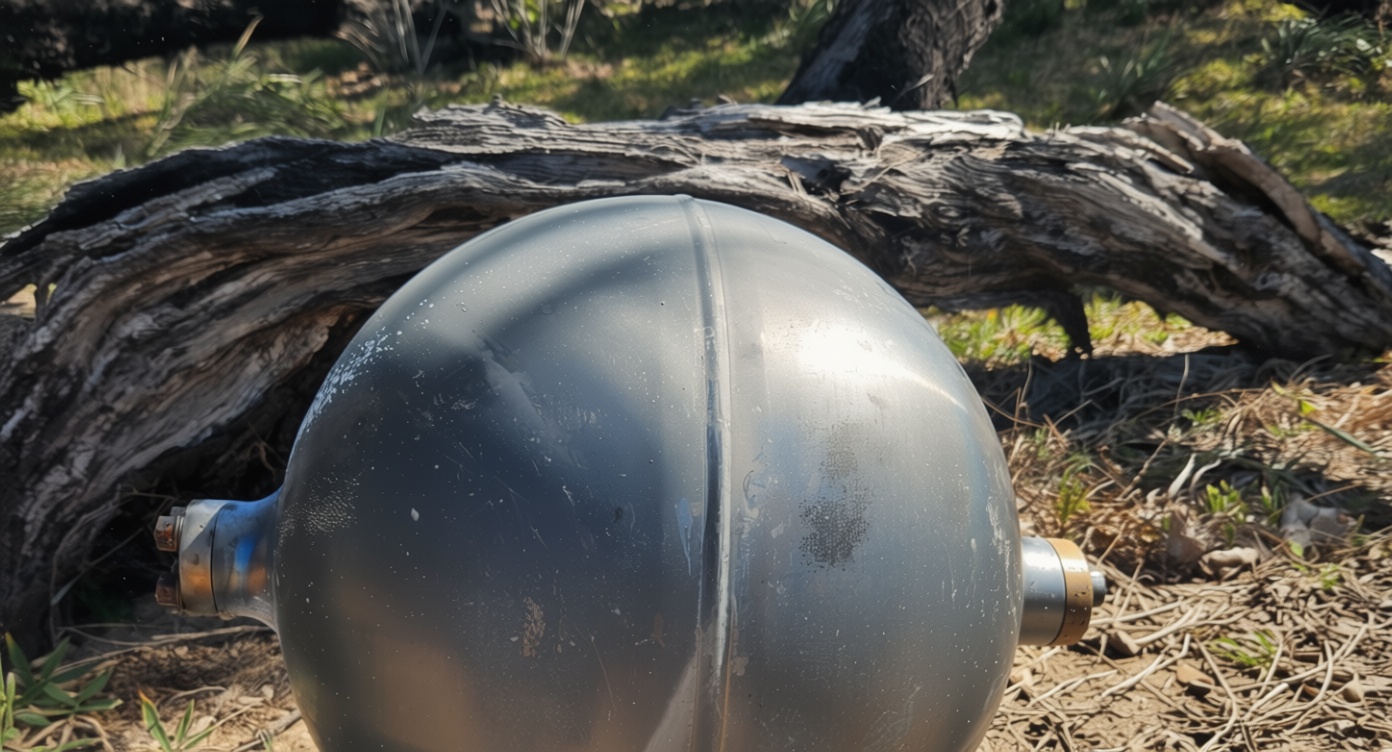
Six pieces of suspected space debris have washed up on beaches in north Queensland, prompting a formal investigation into whether the objects are remnants of a rocket launch and whether they could still pose a chemical hazard. The debris, described in local reporting as possible “space balls,” has drawn attention because of concerns that the objects may contain toxic rocket fuel or other hazardous materials left over from spaceflight hardware. While the finds have sparked curiosity along the coastline, authorities are treating the matter as a genuine safety and identification issue rather than a novelty.
What the debris may be
The term “space balls” is being used informally to describe the spherical or rounded pieces that appeared on the beaches, but the exact origin remains unconfirmed. Space debris can include fragments from launch vehicles, fuel tanks, or other components that survive re-entry and later fall into the ocean or onto land. In this case, investigators are considering whether the objects are tied to rocket launches that took place elsewhere and were later carried by currents to Queensland. The concern is not only where the material came from, but what remains inside it—including the possibility of residual propellants or other chemicals that could be dangerous if handled.
Investigation by the Australian Space Agency
The Australian Space Agency is now investigating the origin of the debris, a process that typically involves examining the material, markings, and construction of the objects to determine whether they match known spacecraft or launch hardware. Establishing provenance can be complicated, particularly when debris has been at sea for an extended period or has suffered corrosion and damage from saltwater exposure. The agency’s involvement underscores the seriousness of the discovery: even small fragments can provide clues about a launch system, a re-entry path, or a broader debris event. It also reflects growing international concern over space junk, which is increasingly appearing far from launch sites as commercial space activity expands.
Public reaction and local businesses
In a distinctly Queensland twist, local businesses have begun turning the strange beach find into a humorous attraction, leaning into the mystery with a lighter touch. That reaction has helped transform the debris from a potential hazard into a talking point for residents and visitors alike. Still, the novelty should not obscure the underlying issue. If the objects do contain rocket fuel residue or other contaminants, they may require careful handling and disposal by specialists. The mix of curiosity and caution reflects a familiar pattern when unexplained material appears in public places: fascination first, then questions about safety, ownership, and accountability.
Why it matters
The beaching of possible rocket debris highlights the growing footprint of the global space industry and the challenge of managing what comes back down. As more rockets are launched, the likelihood rises that some components will survive re-entry and end up in the sea or on shorelines. For communities like those in north Queensland, the issue is no longer abstract: space activity can have visible, and sometimes hazardous, consequences on Earth. For now, the priority remains identifying the objects, determining whether they are dangerous, and tracing their path back to launch operations that may have occurred thousands of kilometres away.