Overview
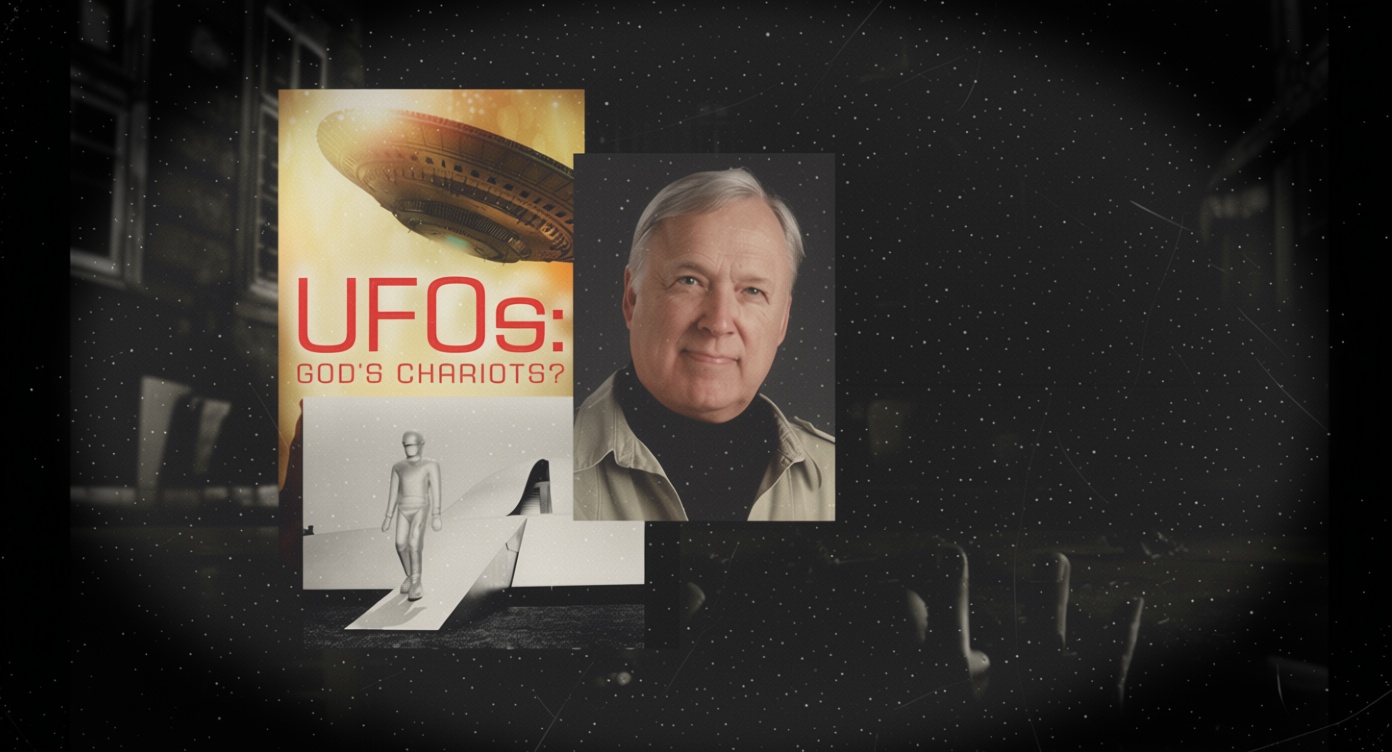
A presentation by UFO researcher and author Preston Dennett examines ten alleged Close Encounters of the Second Kind, a classification traditionally associated with reports of physical effects, physiological reactions, or environmental disturbances linked to an unidentified object. The cases span from 1943 to 2016 and include reports from the United States, Europe, Australia, and Southeast Asia. However, the available material consists of a video summary rather than complete investigative files, official records, or independently verified evidence. The incidents should therefore be understood as reported claims, not established proof of extraterrestrial activity.
Reported Physical and Physiological Effects
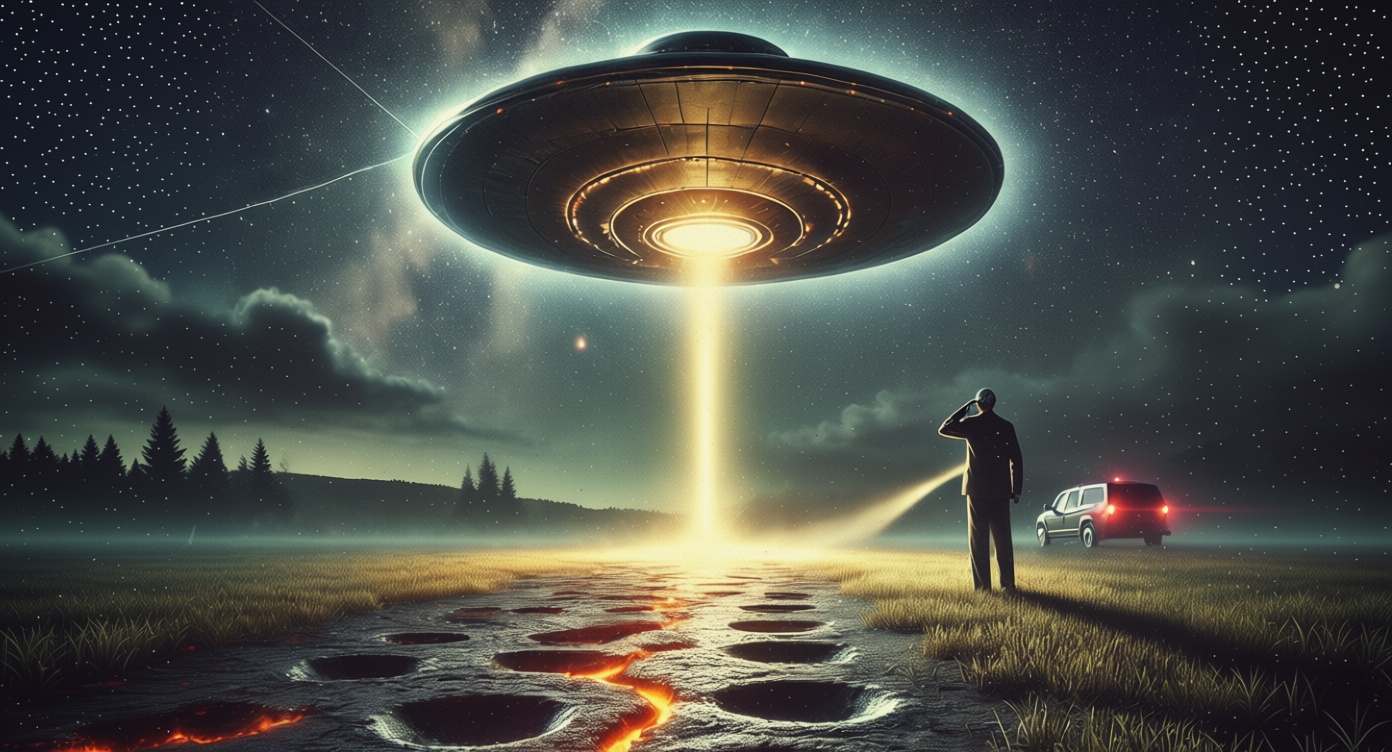
The cases described in the presentation involve a wide range of alleged effects. Witnesses reportedly experienced numbness, chest pains, electrical shocks, temporary blindness, paralysis, and intense heat or skin irritation. Several accounts also describe vehicles losing engine power or electrical systems failing in the presence of an object—an effect sometimes referred to in UFO literature as the “Oz Effect.” Other reported anomalies include slowing clocks, disappearing livestock, burned vegetation, and unusual forces capable of lifting gravel or vegetation.
Among the earlier cases, Utah rancher James P. Sharp reportedly encountered a bright object in October 1943 that appeared to draw hay and gravel toward his car. In Waterloo, Iowa, J.E. Johnston said a hovering disk caused numbness throughout his body and subsequent chest pain in 1947. Three years later, Texas pharmacist Jack Robertson—described as a former skeptic—reported suffering what appeared to be a severe sunburn after an illuminated object hovered above his vehicle. The presentation links these incidents to the early development of reports involving direct bodily effects.
International Cases and Witness Accounts
The collection also includes cases involving alleged physical damage and mechanical interference. In Northern Ireland in 1958, farmer Joseph Bennett reportedly saw a dark object near an oak tree that was subsequently split in a clean, linear break. Officials, including forestry personnel, reportedly offered natural explanations, leaving the cause disputed. In France in 1975, Air Force Lieutenant Michel Sasti and other motorists allegedly experienced simultaneous engine failures after observing a cigar-shaped object. Sasti attempted to photograph it, but the presentation states that the film did not record the craft.
Other accounts include David Busby’s reported levitation and light encounters in England, a 1968 Illinois case involving damaged trees, slowed clocks, and a missing sow, and an incident in Tasmania in which Andrea and Brian Richardson described electrical sensations, numbness, and steering interference. In Malaysia in 1979, three boys reportedly approached a grounded object and were temporarily blinded by beams of light. The most recent case, from Oceanside, California, concerns a witness identified as Jane and approximately ten children who allegedly became unable to move while a disk marked with dark symbols hovered over a playground.
Evidence, Investigation, and Limits
The presentation references UFO researchers and investigators including Richard H. Hall, Keith Bickford, Jan Aldrich, Janet and Colin Bord, and Ahmad Jamaludin. It also mentions skeptics and technical voices, including aeronautical engineer Terence Nonweiler, to illustrate disagreement over how the reports should be interpreted. Yet the summary does not provide police reports, medical documentation, photographs, physical samples, or complete testimony for independent review. In several cases, alternative explanations—including environmental conditions, mechanical failure, natural tree damage, misperception, and memory distortion—remain possible.
Conclusion
Dennett’s central argument is that recurring reports of bodily effects, vehicle interference, and physical traces create what he describes as a “tangible trail” that deserves further investigation. The cases are notable as historical accounts of unusual experiences, but their evidentiary value varies considerably. Without corroborating records and controlled analysis, they cannot by themselves establish the existence or origin of the objects described.