Overview
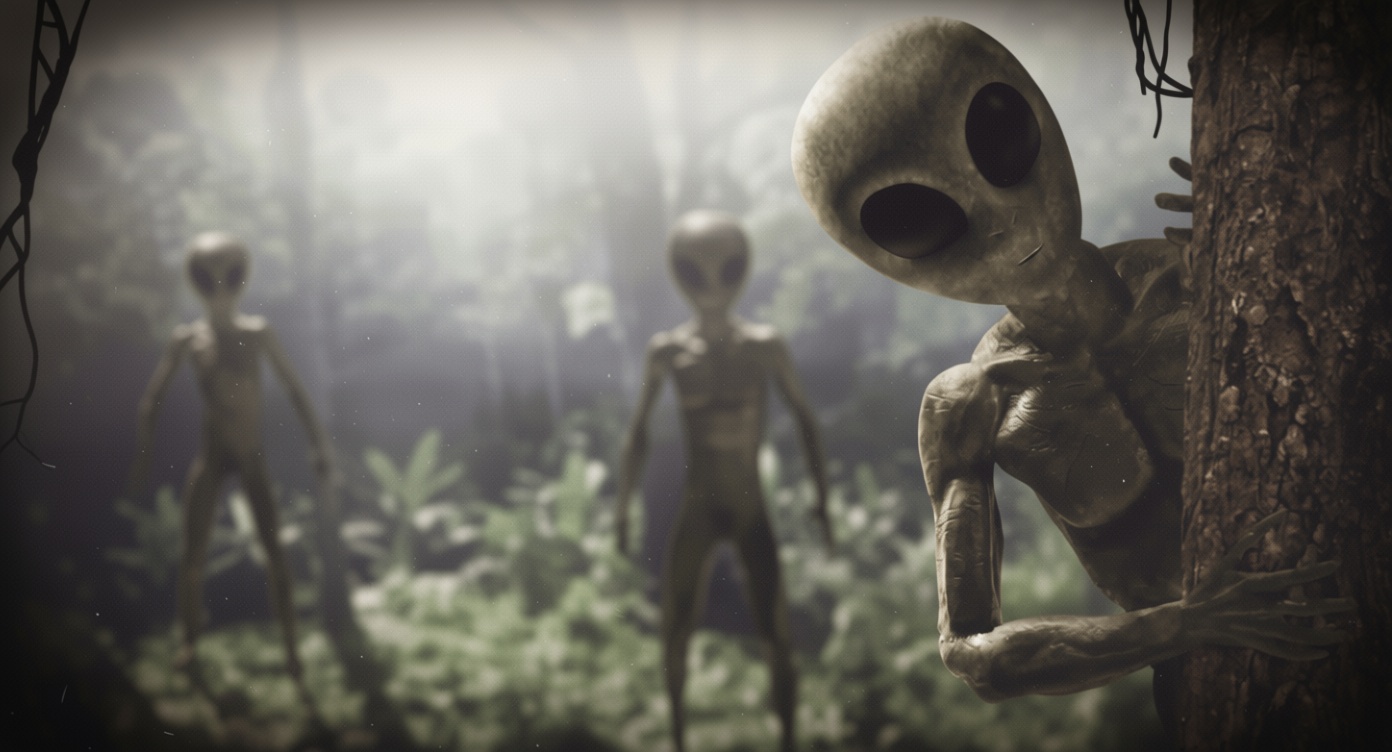
Entertainment Weekly has published a roundup of 12 UFO documentaries aimed squarely at viewers who, in the magazine’s words, “want to believe.” The selection leans into the enduring public fascination with unidentified flying objects, alleged alien encounters and the possibility of life beyond Earth, while also underscoring how UFO stories have evolved into a distinct documentary subgenre. Rather than treating the subject as fringe entertainment alone, the list highlights films that approach sightings and testimonies from multiple angles — historical, psychological, military and personal — reflecting a broader cultural moment in which UAPs have moved from tabloid curiosity to a topic of mainstream discussion.
Why UFO stories continue to resonate
The introduction to the roundup asks a question that has followed UFO culture for decades: what is it about unexplained aerial phenomena that captivates so many people? Entertainment Weekly points to several answers — the hope that humanity is not alone, the thrill of mystery, the appeal of detective work, and the persistent suspicion that governments may be withholding information. That combination of wonder and mistrust has long made UFO documentaries especially compelling, because they do more than describe unexplained sightings; they often explore the people who report them, the institutions that respond to them and the social pressures that follow.
Standout documentaries in the list
Among the titles singled out is Ariel Phenomenon (2022), a documentary that revisits a mass sighting reported by 60 schoolchildren in rural Zimbabwe on Sept. 16, 1994. Director Randall Nickerson spent more than a decade assembling the film, which examines both the alleged event and the lasting psychological impact of not being believed. The documentary follows one witness as an adult returning to the site, with additional voices including a BBC reporter and a Harvard professor helping to re-examine the account. Another notable selection is Curse of the Man Who Sees UFOs (2016), which centers on Christo Roppolo, an eccentric Californian who says he has filmed multiple sightings over the years. The film’s appeal, according to the roundup, lies partly in its charm and partly in its deeper meditation on the life of the person doing the observing.
A more skeptical, evidence-driven strain
The list also includes I Know What I Saw (2009), a James Fox documentary that Entertainment Weekly describes as one of the most thorough examinations of the “nuts and bolts” side of UFO research. Fox focuses on the relationship between the U.S. military and the UFO phenomenon, using congressional-hearing footage, press conferences and interviews with retired officials to support a fact-based approach. That method stands in contrast to more personal or eccentric entries such as Love & Saucers (2017), which follows New Jersey artist David Huggins, who claims to have had a long-term sexual relationship with a female alien. The film’s strength, the roundup notes, is that it does not treat Huggins as a joke, but instead uses his account to explore belief, memory and the human need to make meaning out of extraordinary claims.
The bigger picture
Taken together, Entertainment Weekly’s selection reflects why UFO documentaries remain a reliable draw: they sit at the intersection of science, skepticism, storytelling and faith. Some films probe official secrecy, others revisit disputed sightings, and some focus on the emotional lives of the people who say they encountered the unexplained. Whether audiences watch to search for evidence or simply to better understand the culture of belief surrounding UAPs, the list suggests the genre remains as relevant as ever. In an era of renewed attention to unexplained aerial incidents, these documentaries offer something beyond spectacle: a snapshot of how deeply the mystery of UFOs continues to shape public imagination.