Overview
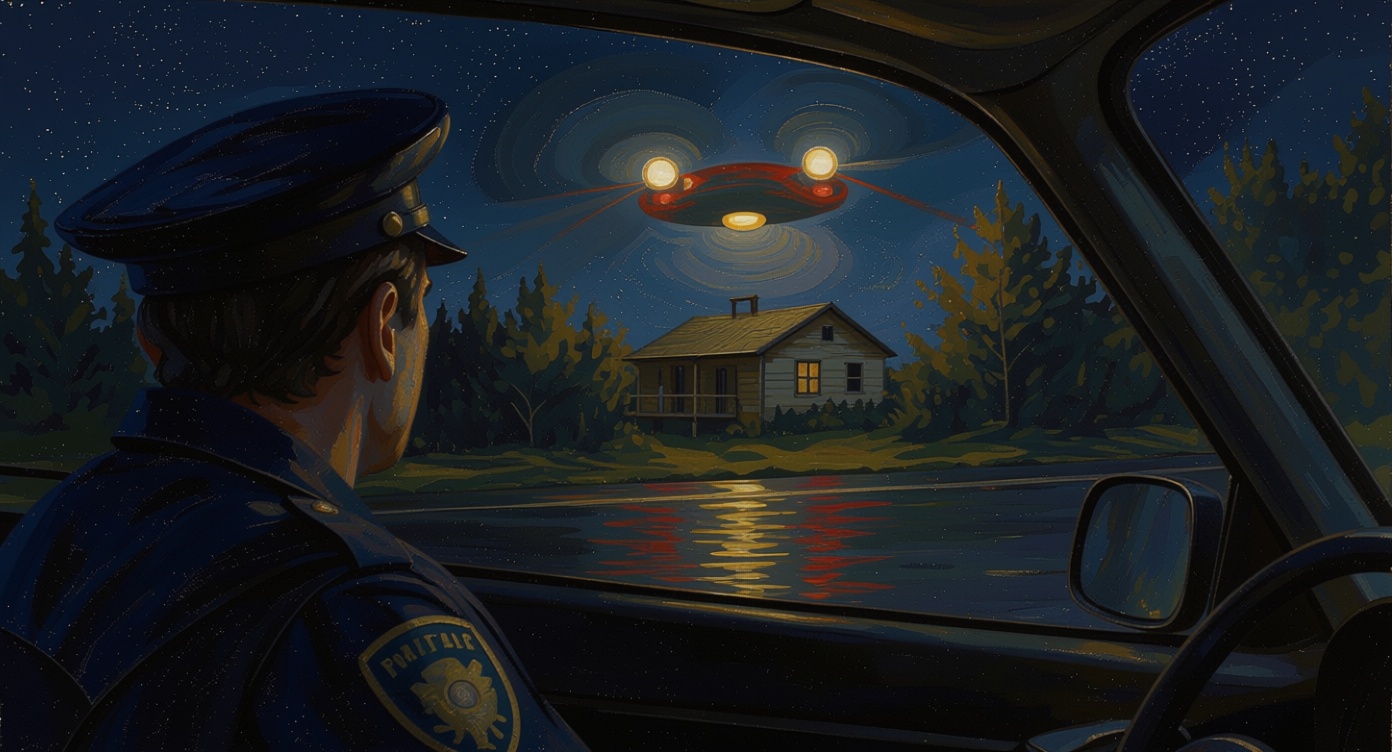
The documentary “The Age of Disclosure,” now streaming on Amazon Prime, presents eight arguments that its creators say demonstrate the existence of extraterrestrial life and its visitation of Earth. Directed by independent filmmaker Ricky Rubio (not to be confused with the former senator), the film compiles testimony from more than a dozen officials who claim “direct knowledge” of unidentified aerial phenomena (UAP). It positions itself within the broader wave of UAP disclosure efforts that have gained traction in U.S. congressional hearings and Pentagon briefings over the past few years.
Key Claims Presented
The film’s eight‑point framework draws on a mixture of public records, whistle‑blower accounts, and scientific anomalies. Among the highlighted pieces of evidence are:
- De‑classified Navy footage showing objects that appear to maneuver without visible propulsion.
- Testimony from former intelligence officers who assert that classified briefings have discussed “non‑human technology.”
- Astronomical observations of unexplained radio bursts that some researchers argue could be intentional signals.
- Physical trace evidence from alleged landing sites, including metallic fragments with atypical alloy compositions.
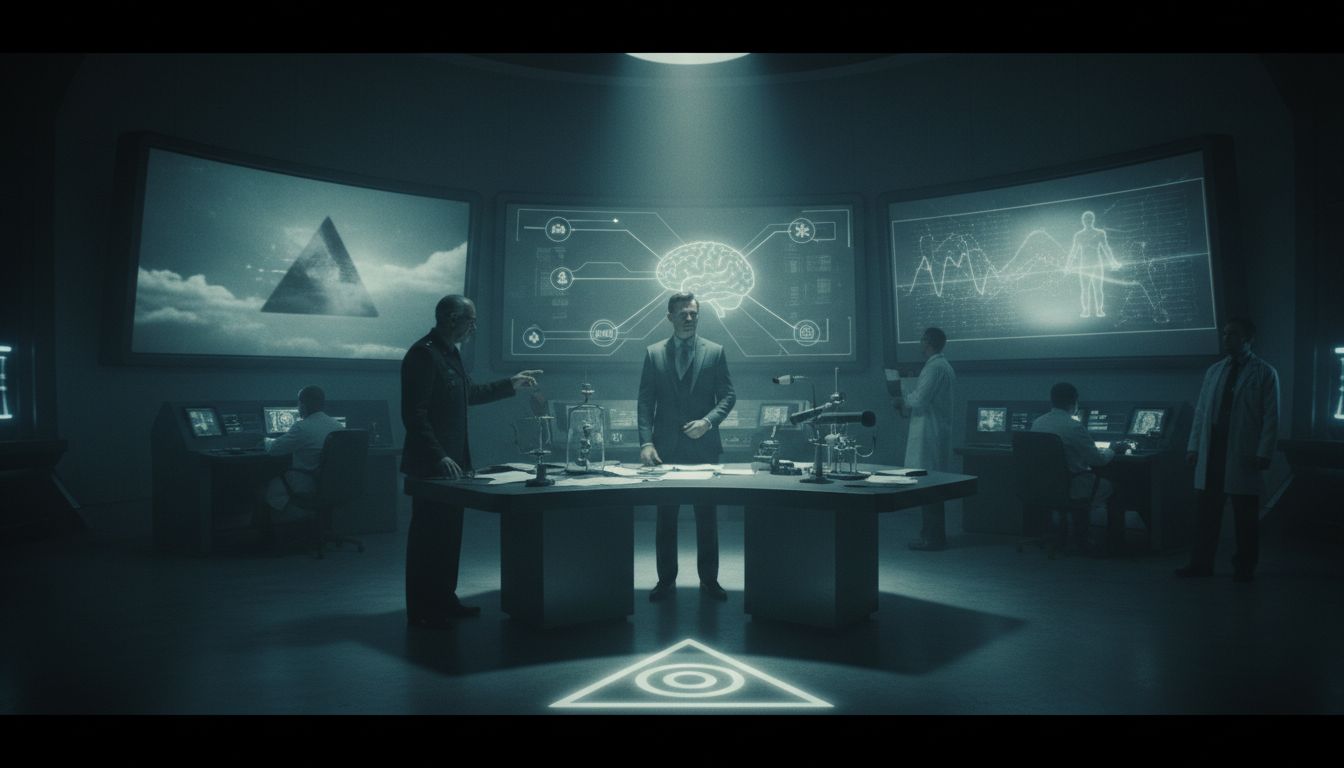
Each segment is accompanied by on‑camera interviews with former Department of Defense personnel, aerospace engineers, and a handful of civilian “whistleblowers” who claim they have been barred from speaking publicly. The documentary also references the 2023 UAP hearing before the Senate Intelligence Committee, noting that the committee’s final report acknowledged “potential national security implications” without offering a definitive explanation.
Government Disclosure Context
“The Age of Disclosure” arrives at a moment when the U.S. government is cautiously increasing transparency about UAPs. In 2022, the Office of the Director of National Intelligence released an unclassified report that cataloged 144 incidents, many of which remained “unexplained.” More recently, the All‑Domain Anomaly Resolution Office (AARO) was established to centralize data collection and analysis. While the documentary frames these developments as steps toward full public acknowledgment, officials involved with AARO have emphasized that the agency’s mandate is “to assess threats, not to confirm extraterrestrial origins.”
Senator Marco Rubio, who has been a vocal advocate for greater UAP disclosure, is quoted in the film as saying, “The American people deserve answers, and the evidence we have is compelling enough to merit a serious, bipartisan inquiry.” His comments echo bipartisan legislation introduced in 2024 that would require regular reporting to Congress on UAP investigations.
Reception and Critical Perspective
Critics have noted that the documentary’s narrative leans heavily on anecdotal testimony while offering limited peer‑reviewed scientific analysis. Dr. Emily Chen, an astrophysicist at the University of Colorado, cautioned, “While the footage and some of the data are intriguing, extraordinary claims require extraordinary evidence. The film does not yet provide that level of rigor.”
Conversely, supporters argue that the film succeeds in “bringing the conversation out of the classified vaults and into the public sphere,” a sentiment echoed by former Navy pilot Lt. Cmdr. James “Jimmy” Hall, who appears in the film and describes his own encounters as “unmistakably beyond current aerospace capabilities.” The documentary’s release has sparked renewed discussion on social media platforms, with hashtags such as #AgeOfDisclosure trending among both UFO enthusiasts and skeptics.
Looking Ahead
As congressional committees prepare to hold follow‑up hearings in 2026, “The Age of Disclosure” may influence public expectations for greater transparency. Whether the eight reasons outlined in the film will withstand scientific scrutiny remains to be seen, but the documentary undeniably adds a new layer to the evolving discourse on UAPs. For policymakers, the challenge will be to balance national security concerns, scientific integrity, and public curiosity as the United States navigates the uncertain frontier of potential extraterrestrial contact.