Overview
For decades, the Berwyn Mountains UFO incident has occupied a distinctive place in Welsh folklore. Sometimes described as the “Roswelsh” incident, it is often compared with the 1947 Roswell case in New Mexico because of claims that an unidentified craft crashed in a remote landscape before being recovered by the military. A recent account published by The Great Outdoors revisits the story through an expedition to Cadair Berwyn, one of the highest and most isolated summits in the Berwyn range.
The incident is generally dated to the night of January 23, 1974, although it has sometimes been referred to in connection with 1973. Residents across North Wales reported loud noises and intense lights above the mountains. The reports prompted immediate speculation that an aircraft had crashed, a wartime bomb had detonated or something less conventional had come down on the hills.
The Official Explanation
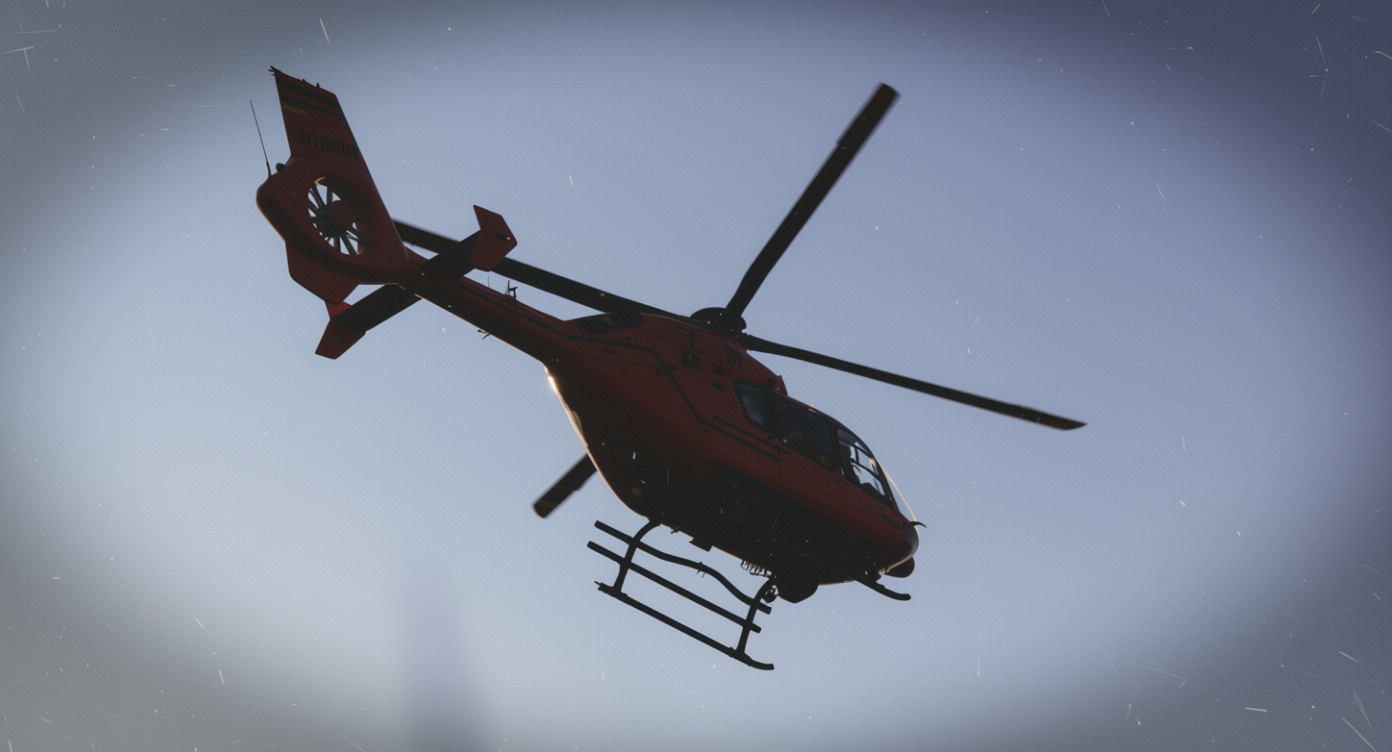
An RAF search-and-rescue team was reportedly sent to the area, while police began their own investigations. According to official Ministry of Defence accounts cited in the report, neither effort located evidence of a crash or other significant incident. No aircraft wreckage, unusual debris or confirmed impact site was found.
In the days and weeks that followed, scientists offered a conventional explanation for the reports. The brilliant light was attributed to a meteor entering Earth’s atmosphere and burning up before reaching the ground. The accompanying noise, meanwhile, was linked to a magnitude-3.5 earthquake that struck the Berwyn Mountains at approximately the same time.
That combination—an atmospheric fireball and a local earthquake—could plausibly account for both the visual and auditory experiences reported by residents. However, the official explanation did not end the controversy. The remoteness of the mountains, the limited information available at the time and the intensity of eyewitness reports helped create fertile ground for alternative interpretations.
Eyewitness Accounts and UFO Claims
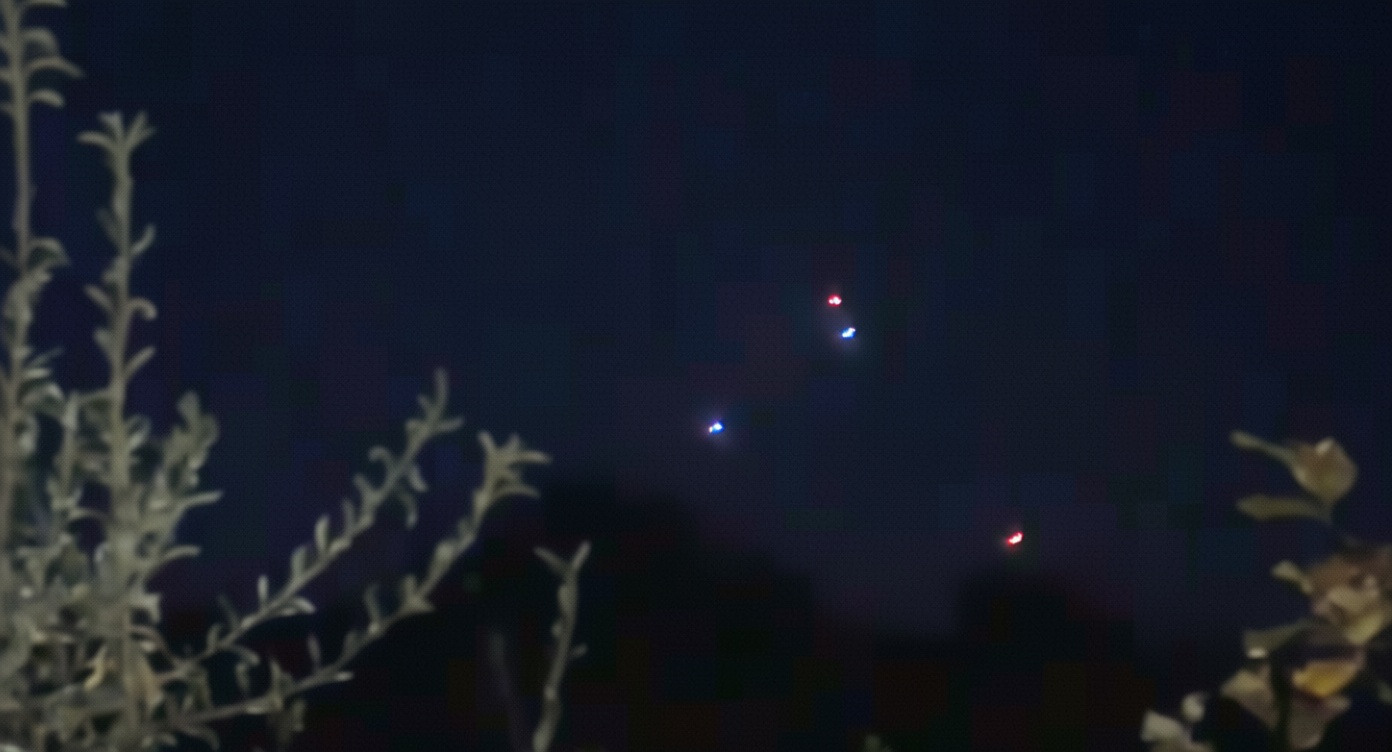
Newspaper reports included dramatic descriptions of “flying saucers emerging from the Irish Sea” and a “big glowing object sitting on the mountainside with a load of lights circling around underneath it.” Other accounts alleged that the military recovered a crashed flying saucer and transported it away on a flatbed truck.
Police logs are also said to have recorded numerous emergency calls from villagers describing an “orange and red glow” or a “large perfect circle” on the mountainside. One frequently cited witness, retired nurse Pat Evans, reportedly drove toward the area that night and described seeing a “huge ball glowing and pulsating” that “had to be a UFO of some sort.”
Over time, UFO investigators expanded the narrative further, claiming that alien beings had emerged from a damaged spacecraft and that mysterious “men in black” had helped enforce a government cover-up. These details remain part of the mythology surrounding the case, rather than established findings from the official investigations.
Why the Legend Endures
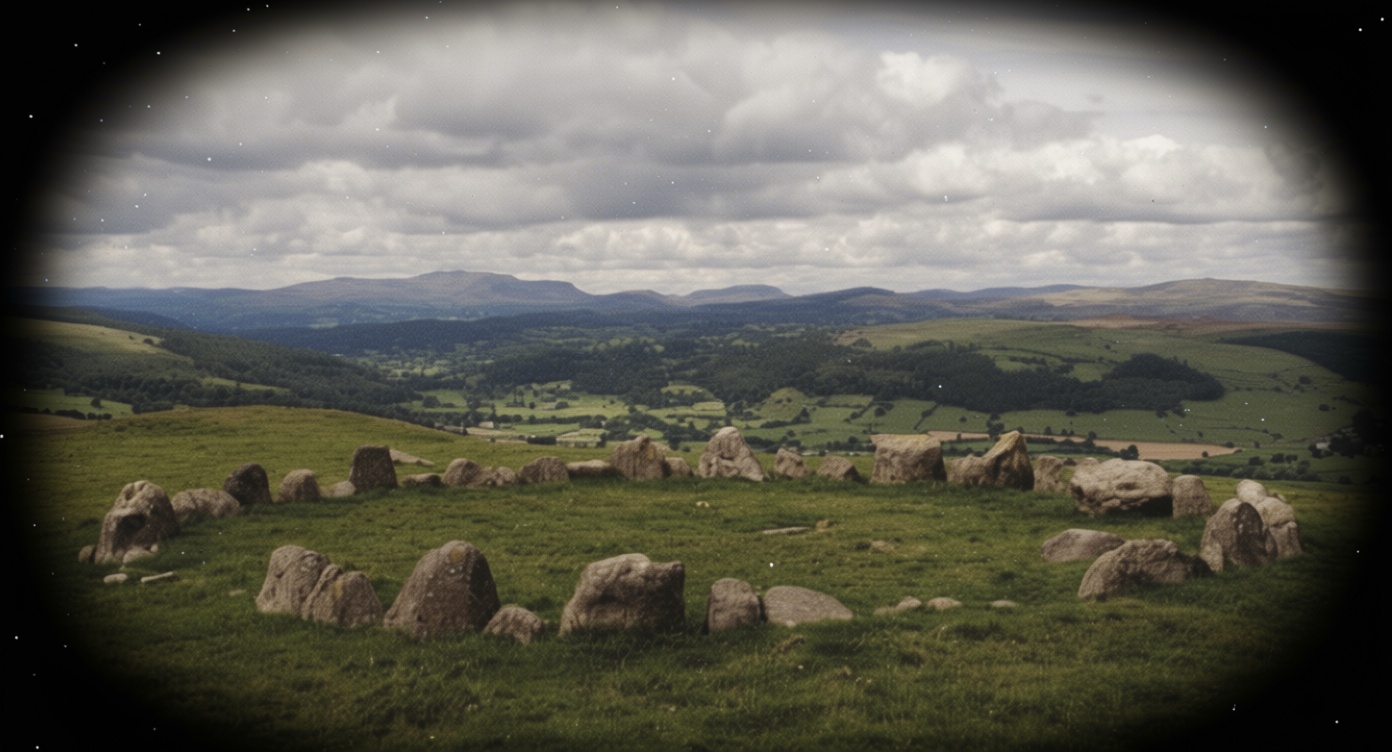
The Berwyn Mountains’ geography has played an important role in the story’s longevity. Located east of Bala and just outside Eryri—Snowdonia—National Park, the range consists largely of windswept, pathless moorland. Its difficult terrain and relative isolation make it a compelling setting for stories of hidden wreckage and secret military activity, while also making a thorough search more challenging.
Writer James Forrest visited Cadair Berwyn in 2018, bivvying alone on the summit in an effort to explore the location and its reputation. He reported finding no evidence of anything extraterrestrial, while acknowledging the enduring fascination of the incident. The Berwyn case remains unresolved in popular culture, but the available official explanation points to a meteor, an earthquake and the power of local testimony rather than a confirmed UFO crash.