Overview
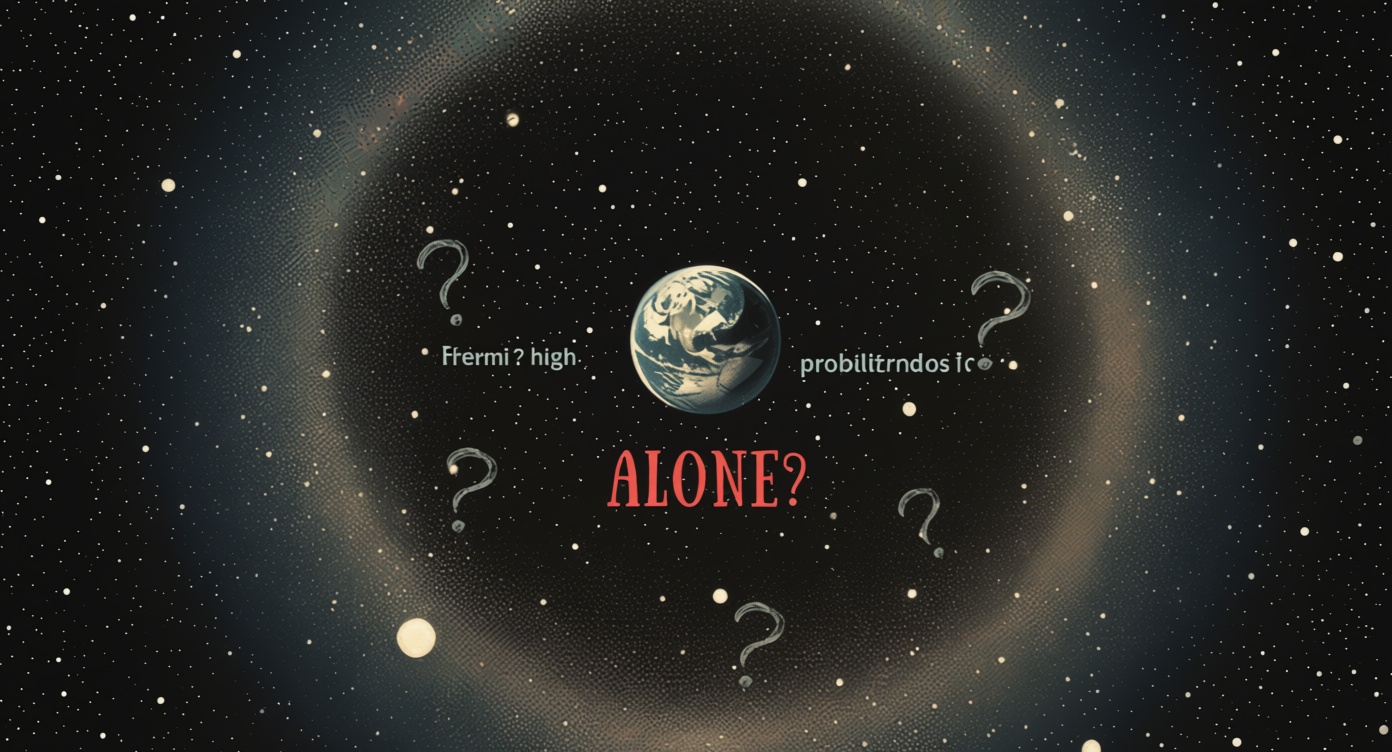
The Fermi paradox captures a simple but unsettling question: if the universe contains billions of stars and countless potentially habitable planets, why have we found no clear evidence of extraterrestrial technological civilizations? Named for physicist Enrico Fermi, the puzzle emerged from a 1950 lunch conversation at Los Alamos, where he reportedly asked, “But where is everybody?” The paradox has since become a central issue in astrobiology, SETI research, and debates over the search for intelligent life beyond Earth.
Why the Paradox Persists
At its core, the paradox rests on a mismatch between expectation and observation. Astronomers now know that the Milky Way alone contains billions of Sun-like stars, and many are believed to host planets that could, in principle, support life. That abundance leads many scientists to think technological civilizations should be possible elsewhere in the universe. Yet despite decades of searching, no unambiguous sign of alien technology has been detected. This absence is what makes the question so enduring: if advanced civilizations are common, their traces should be easier to spot.
Leading Hypotheses
Researchers have proposed a wide range of explanations. Some argue that intelligent life may be extremely rare, aligning with the so-called Rare Earth hypothesis. Others suggest that civilizations may exist, but only for short periods before self-destruction, environmental collapse, or technological limitations prevent them from spreading far enough to be noticed. More speculative proposals include secrecy-based explanations, in which advanced societies deliberately avoid contact; the zoo hypothesis, which suggests Earth may be intentionally left alone for observation; and the planetarium hypothesis, which imagines that we may be living inside a carefully managed illusion or simulation that masks the presence of extraterrestrials. While these ideas attract public interest, they remain unproven and highly speculative.
UFOs, UAPs, and the Evidence Question
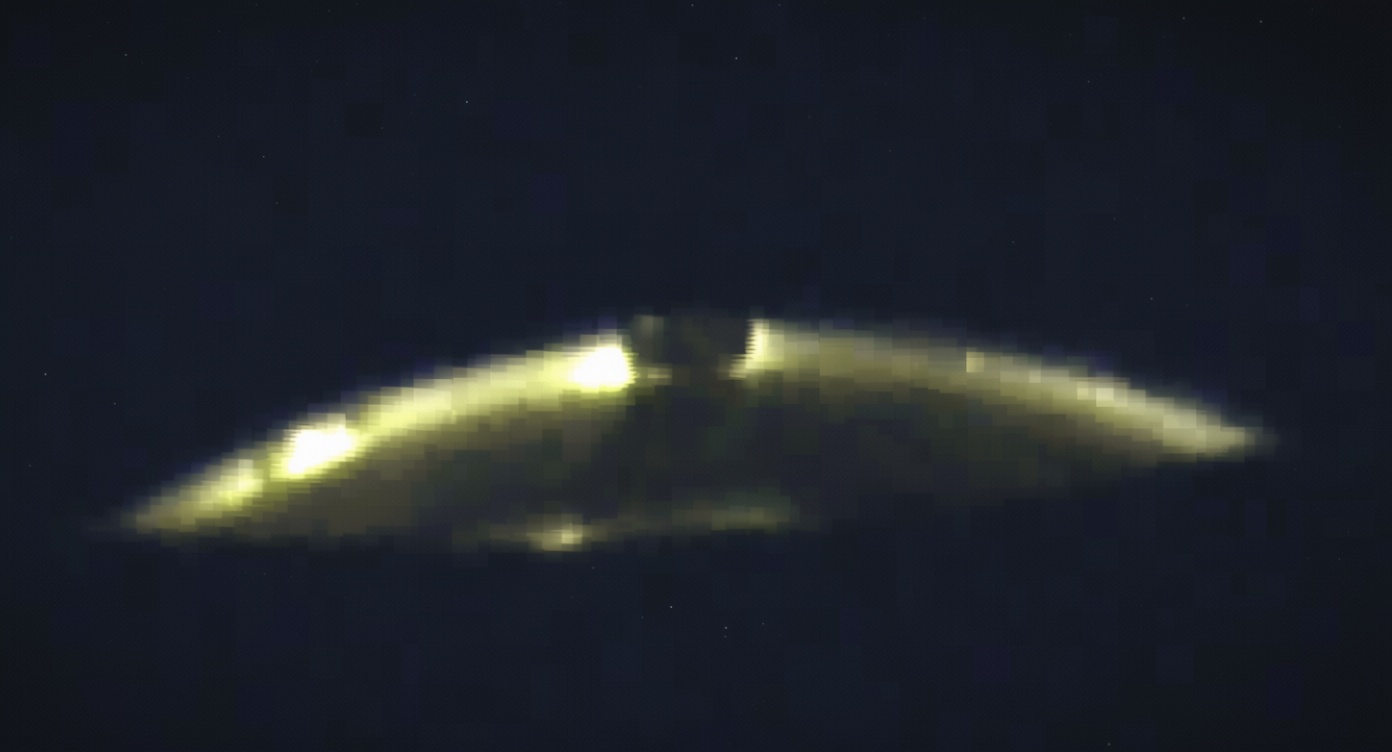
The paradox often intersects with public discussion of UFOs and, more recently, UAPs. Many people interpret some unexplained sightings as possible alien spacecraft, but the scientific view is far more cautious. Most reported UFO cases are eventually explained by ordinary phenomena such as aircraft, atmospheric effects, misidentification, or sensor limitations. The remaining unresolved cases, while sometimes intriguing, are not considered convincing proof of extraterrestrial visitation. In other words, unexplained does not mean alien, and scientists stress that extraordinary claims require extraordinary evidence.
Why It Matters
The Fermi paradox remains important because it sits at the intersection of astronomy, philosophy, and public imagination. It forces researchers to confront two competing ideas at once: the universe appears vast and potentially life-friendly, yet we still lack direct evidence of other technological species. Whether the answer lies in rarity, distance, timing, self-limitation, or something we have not yet imagined, the paradox continues to shape how scientists think about life beyond Earth—and why, so far, the cosmos has remained largely silent.