Overview
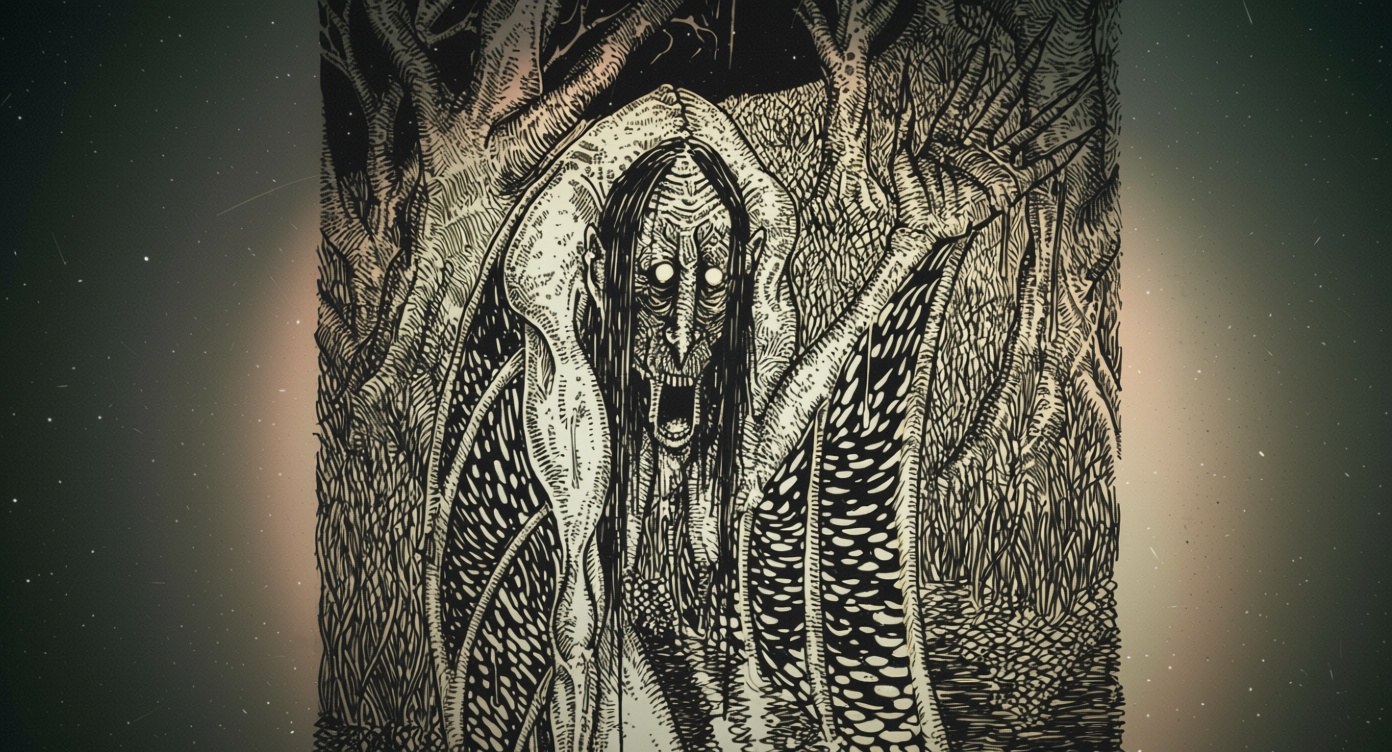
In the winter of 1799–1800, eastern Maine became the center of one of the earliest and most widely discussed ghost stories in American history. What began as a series of unexplained knocks and voices in the home of Captain Abner Blaisdell in what is now Sullivan, near Taunton Bay, evolved into a case that drew neighbors, ministers, and curious onlookers from across the region. The voice, said to come from the cellar, claimed to belong to Nelly Butler, a young woman believed to have died years earlier. Because the events were recorded in later testimony and repeated widely, the episode has endured as both a local legend and an early example of the way supernatural claims could spread in the young United States.
A Voice from the Cellar
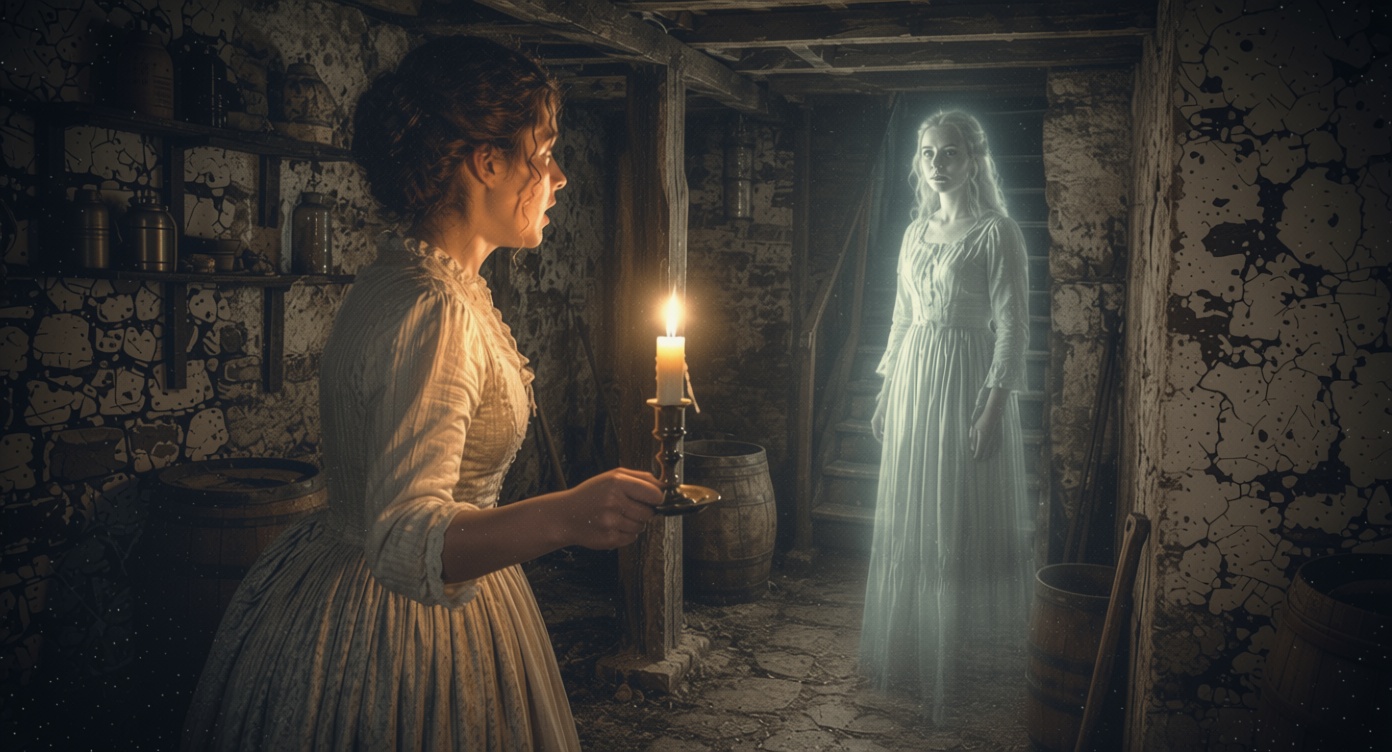
According to the traditional account, the disturbances began on August 9, 1799, when Blaisdell reportedly heard strange knocking in his house. The sounds persisted and eventually escalated. On January 2, 1800, Blaisdell and his daughter Lydia allegedly heard a woman’s voice emerging from the cellar. When asked who it was, the voice reportedly identified itself as the spirit of Nelly Butler, the deceased wife of Captain George Butler, and gave her maiden name, Nelly Hooper. That detail mattered: Nelly’s father, David Hooper, lived nearby, and Blaisdell summoned him to hear the voice for himself. Later accounts say Hooper arrived skeptical, but changed his mind after hearing what he believed to be personal and unmistakable information tied to his daughter.
A Marriage Proposal and a Grim Prediction
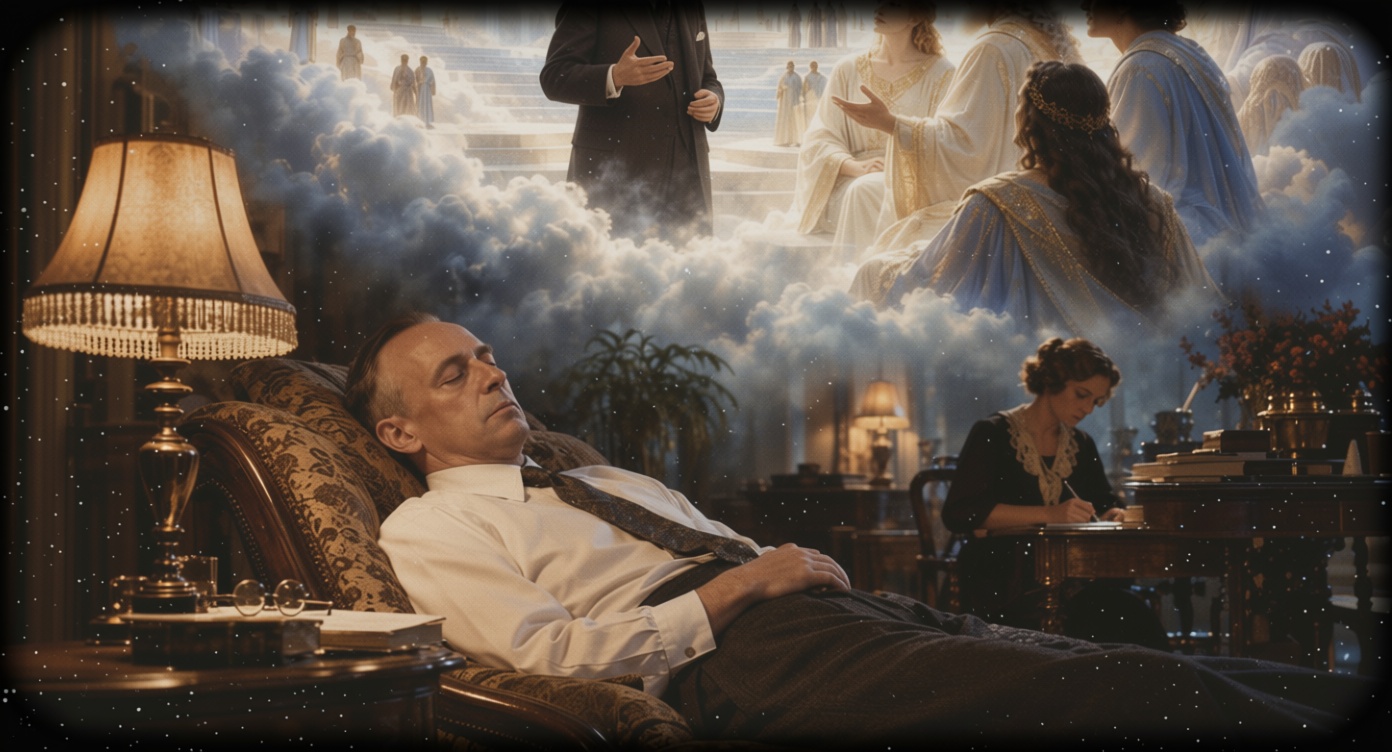
What sets the Nelly Butler case apart from many other ghost stories is that the alleged apparition was not simply frightening witnesses—it was also said to be actively involved in social affairs. The voice reportedly urged George Butler to marry Lydia Blaisdell, who was only fifteen years old at the time. The proposed union stirred controversy in the household, particularly because of Lydia’s youth and the fact that Butler was a widower. Yet, according to the story as preserved in later testimony, the pressure continued until the marriage took place on May 28, 1800. The next day, the apparition allegedly returned with a chilling prediction: Lydia would bear one child and then die. Roughly ten months later, the account says, she gave birth and then died, a sequence that fueled belief among some observers and deepened suspicion among others.
Eyewitness Claims and Lasting Debate
The Nelly Butler haunting became notable not only for its content but for the number of people said to have encountered it. Later compilations suggest more than one hundred people were connected to the events in some way, and dozens gave testimony about hearing the voice or experiencing disturbances. A traveling minister, later identified in the tradition as Reverend Abraham Cummings, helped preserve these statements, making the case one of the more extensively documented supernatural claims of the early republic. Some accounts described the apparition only through sound; others suggested it could also be seen, though the descriptions vary. That inconsistency has long left room for competing explanations.
Why the Story Endures
Two centuries later, the haunting of Nelly Butler remains compelling because it sits at the intersection of folk belief, community rumor, and early American documentary culture. To believers, the case offers a rare example of a spirit that seemed to know private details and foresee the future. To skeptics, it may reflect misunderstanding, exaggeration, or deliberate deception in a tightly knit rural community. Whatever the truth, the story captured something enduring about American supernatural lore: the power of a haunting not just to frighten, but to influence decisions, disrupt families, and leave behind a historical mystery that still invites scrutiny.