Overview
If Democrats regain control of the House of Representatives, UFO and unidentified anomalous phenomena (UAP) issues could receive renewed attention from congressional committees, according to an analysis published by The Hill on Oct. 23. The report examines how Democratic lawmakers might approach questions surrounding sightings, government transparency and access to records. While the party has not released a single, comprehensive UAP platform, several House Democrats have publicly supported increased scrutiny of what the government knows about unexplained aerial incidents.
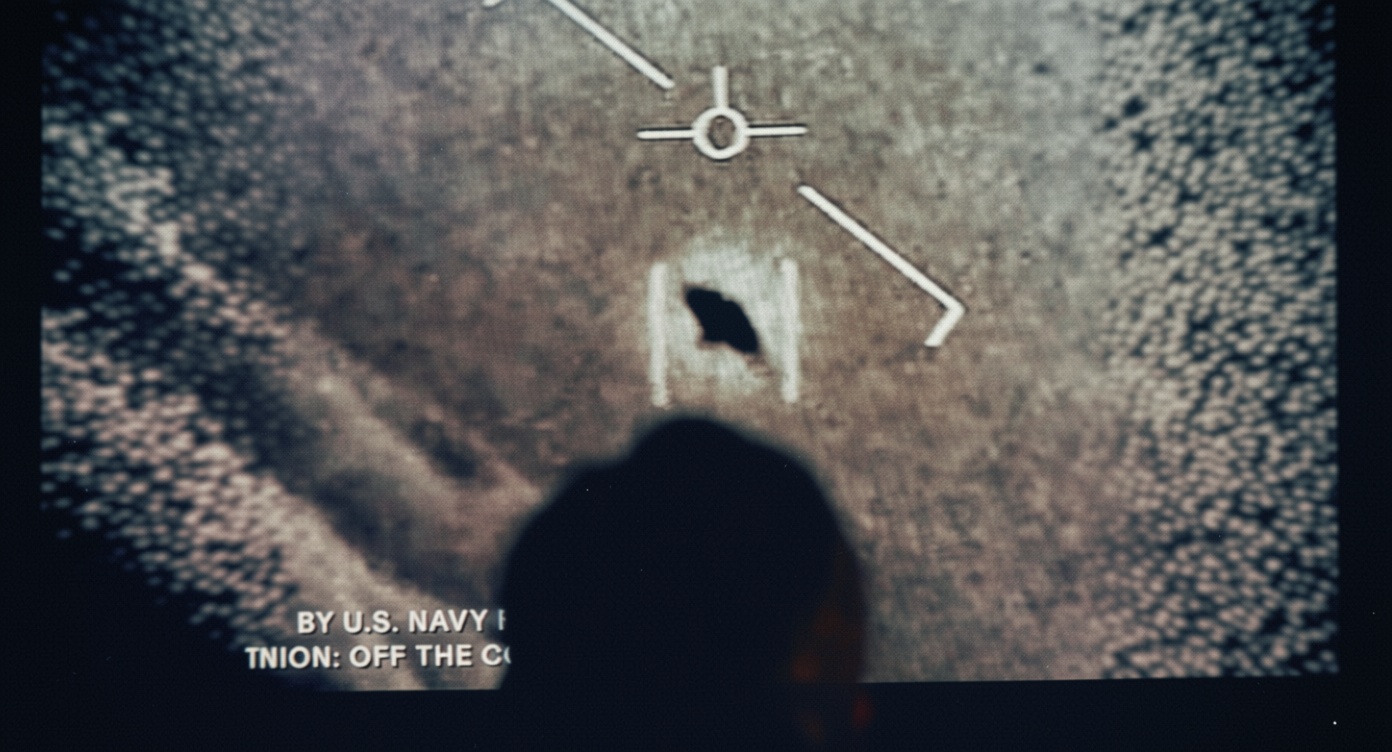
The issue has increasingly moved from the margins of congressional debate into discussions about national security, aviation safety and public accountability. UAP reports can involve objects or events that observers cannot immediately identify, but an unexplained sighting is not, by itself, evidence of extraterrestrial activity. Lawmakers have generally framed the subject around the need to determine whether reports reflect foreign surveillance, misidentified conventional aircraft, sensor limitations or other phenomena.
Democratic Lawmakers Identified
The Hill identifies House Democratic Leader Hakeem Jeffries and Reps. Jared Moskowitz, André Carson, Alexandria Ocasio-Cortez, Ro Khanna and Jamie Raskin among Democrats who have supported greater UFO disclosure. Their involvement represents a cross-section of the party, including members associated with defense, intelligence, oversight and government-transparency concerns.
The lawmakers’ support does not necessarily indicate agreement on every aspect of UAP policy. Rather, it reflects a shared interest in obtaining more information from federal agencies and ensuring that Congress can perform its oversight responsibilities. In practice, that could include requesting classified briefings, holding public hearings, examining agency reporting procedures and pressing for the release of records that officials determine can be disclosed without compromising national security.
Possible Congressional Approach
A Democratic-controlled House could use its committee structure and oversight authority to revisit how UAP reports are collected, analyzed and presented to lawmakers. Congress could also examine whether existing reporting channels adequately protect military personnel and other witnesses who report unusual observations. Such efforts would likely focus on documentation and accountability rather than endorsing unverified explanations for the sightings.
The central challenge would be balancing transparency with the protection of sensitive information. UAP investigations can intersect with military operations, intelligence-gathering capabilities, advanced aerospace technology and the identities of service members or other witnesses. As a result, some records may remain classified even if lawmakers pursue broader public disclosure. Any legislative effort would also need to coordinate with the executive branch and relevant defense and intelligence agencies.
Political and Institutional Context
The prospect of renewed UAP oversight would come as Congress continues to debate how much information the government should release about unexplained aerial incidents. A change in House leadership could alter which hearings are scheduled, which investigations receive resources and how aggressively agencies are questioned. However, a Democratic majority alone would not guarantee sweeping disclosure; legislative priorities, committee assignments, Senate action and presidential approval would all affect the outcome.
For now, the issue remains a potential area of bipartisan interest rather than an established Democratic agenda. The lawmakers cited by The Hill suggest that a future Democratic majority could give UAP transparency a more prominent place in House oversight. Whether that produces new public records, formal investigations or additional hearings would depend on the evidence presented and the national-security limits placed on its release.