Overview
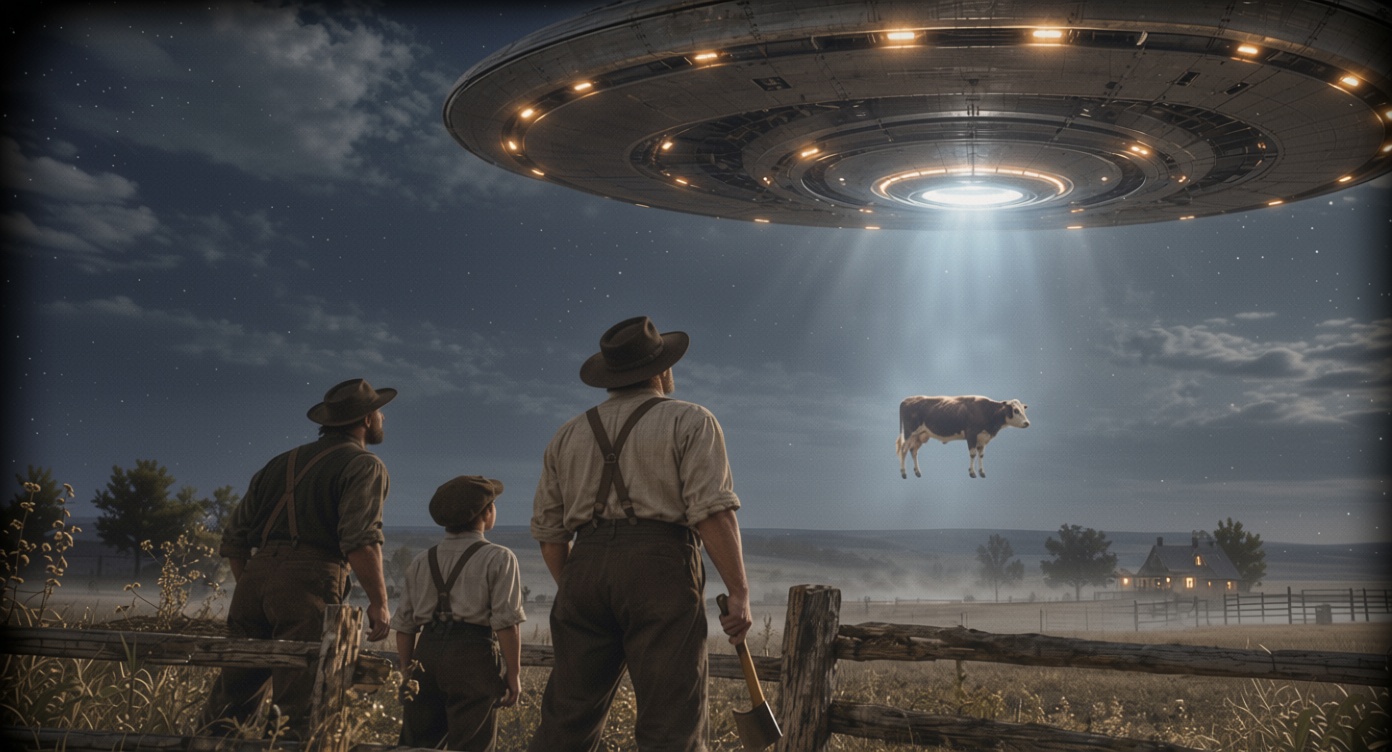
For generations, a warning has circulated among children in Lafayette, Colorado: return home before nightfall, because a vampire is said to rise from a local cemetery and hunt after dark. The story, rooted in the community’s coal-mining past, has become one of the town’s best-known pieces of folklore. Its central mystery is not only whether the vampire legend is true, but also the identity of the man whose grave became associated with it.
The account was detailed in a Nov. 2, 2026, article published by Moon Mausoleum, which describes the tale as a local tradition passed down for decades. According to the story, parents in the 1950s warned their children that a vampire was buried in Lafayette Cemetery and would emerge after sunset. Over time, the narrative accumulated additional details and attracted interest from outside the town.
The Grave and Its Location
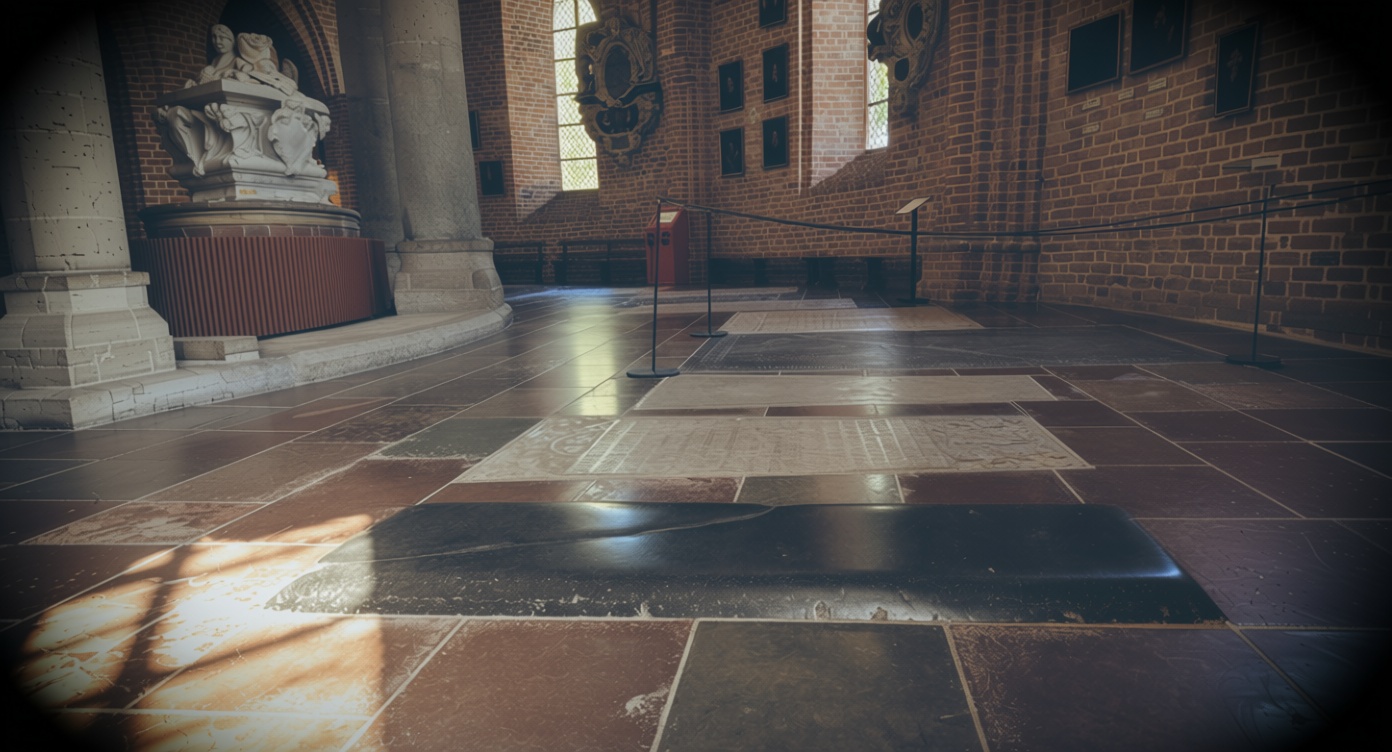
The grave linked to the legend is reportedly located in the pauper’s grave section of Lafayette Cemetery, approximately 20 feet south of the paved road and exit near Lafayette’s Bob Burger Recreation Center. The site is associated with a man identified in local lore as having come from Transylvania, a region whose connection to vampire mythology has helped reinforce the story.
Moon Mausoleum identifies the buried man as Teodor Glava, a coal miner from Transylvania, Romania, who died in 1918. His name appears in several forms, including “Fodor Glava,” adding another layer of uncertainty to efforts to distinguish historical records from later storytelling. The article places his death during the Spanish flu pandemic, when communities across the United States were experiencing widespread illness and loss.
There is no indication in the source material that historical evidence confirms Glava was a vampire or that the reported events surrounding his burial occurred. Rather, the details form part of a regional legend that appears to have blended the circumstances of an immigrant miner’s death with longstanding vampire traditions.
How the Legend Grew
According to the folklore, local residents became suspicious after Glava died because unexplained events were said to have occurred. The story claims that people later exhumed his body and drove a wooden stake through his heart—an act commonly associated with efforts to prevent a suspected vampire from returning from the grave. The source account ends while describing that episode, and does not provide independently verified documentation for it.
The legend gained broader attention beginning in the 1990s, when visitors from across the United States reportedly began traveling to the cemetery. Some left flowers, bubble gum, toys and other small offerings at the grave, treating it as a place of curiosity or ritual rather than simply a historic burial site.
Folklore, Tourism and Uncertainty
The story has occasionally spilled beyond the cemetery. Moon Mausoleum reports that soil allegedly taken from the suspected gravesite was once offered for sale on eBay. It was not established whether the dirt actually came from the cemetery, but city officials were notified and the listing was eventually removed by eBay.
The Lafayette vampire grave illustrates how local history, immigration, disease and popular culture can combine to create a durable legend. Teodor Glava appears to have been a real person, but the supernatural claims attached to his burial remain part of folklore rather than established fact. For Lafayette residents and visitors, the grave continues to represent both a curious chapter in the town’s past and a reminder of how stories can outlive the people at their center.