Overview
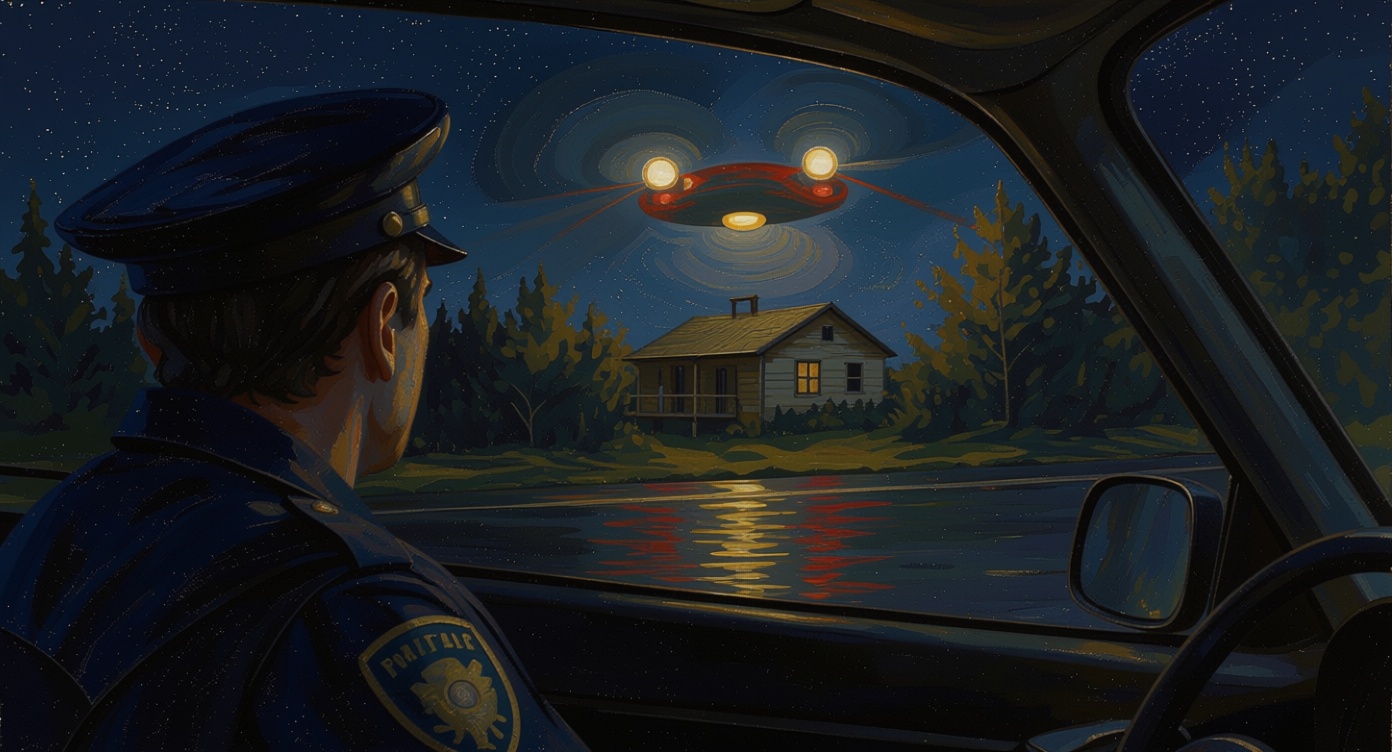
The “Men in Black” (MIB) have moved from a cult‑classic film franchise into a recurring element of modern UFO folklore. While popular culture depicts them as sleek, suit‑clad agents who humorously silence witnesses, the bulk of first‑hand reports describe a far more unsettling presence. According to a 2020 feature on UFO Insight, individuals who claim to have encountered unidentified flying objects often recount later visits from unknown men who demand silence, threaten retaliation, or simply exude an aura of authority. The article, published on April 4 2020, collates dozens of such testimonies and explores the competing hypotheses that attempt to explain who—or what—these figures might be.
Competing Theories
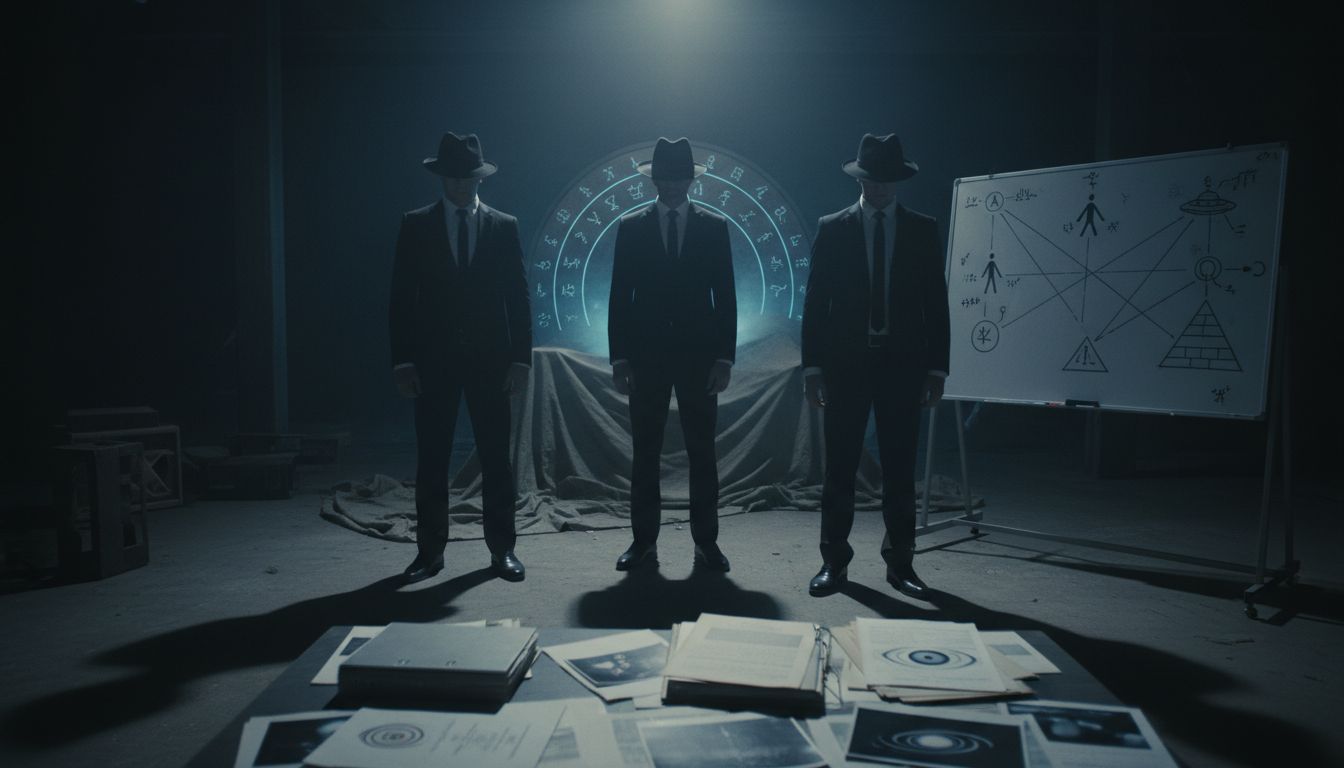
Researchers have put forward three broad explanations for the MIB phenomenon. The most common view posits a top‑secret government unit tasked with suppressing UFO evidence, a notion that aligns with longstanding claims of classified “UFO task forces” operating within intelligence agencies. A second hypothesis suggests the agents are extraterrestrial beings either in their natural form or employing human disguises, a theory that draws on the idea that advanced alien cultures might intervene directly to conceal their activities. A third, more speculative line of thought links the MIB to an underground civilization—perhaps a remnant human society forced beneath the surface centuries ago—that now monitors surface events. Proponents cite ancient mythologies and obscure texts that reference shadowy overseers, though this interpretation remains on the fringe of mainstream UFO scholarship.
Historical Accounts
Eyewitness reports of MIB encounters span several decades, with some investigators tracing the narrative back to the early 1950s. One of the earliest documented cases involves Paul Miller, a farmer who claimed that after witnessing a luminous object, three men arrived at his home, “knew everything about me,” and warned him never to speak of the incident. In a later, more aggressive episode, Robert Richardson reported that after discovering a crashed craft in the Nevada desert, a group of men in dark suits arrived, brandished weapons, and ordered the wreckage removed within hours. Both accounts share common elements: sudden appearance, detailed personal knowledge, and explicit threats to silence the witness. Photographs from the Jack and Mary Robinson case, taken in the early 1970s, depict two men in dark attire standing beside a rural fence—a rare visual claim that has been scrutinized but not definitively debunked.
Recent and Notable Incidents
The phenomenon persists into the 21st century. Danny Gordon, a former air traffic controller, described a “very large, domed craft” hovering over a Midwestern airfield in 2018. Within days, he says, he received a visit from two men who presented official‑looking identification and instructed him to delete all radar logs related to the sighting. Gordon’s account underscores a pattern noted by UFO researchers: a flood of reports arrives daily, many of which involve similar intimidation tactics. While some skeptics attribute these stories to hoaxes or psychological stress, the consistency of details—such as the men’s attire, their knowledge of personal histories, and the demand for secrecy—continues to intrigue investigators.
Ongoing Debate and Context
The Men in Black remain a controversial and unresolved element of the UFO discourse. Advocates for a governmental explanation point to documented projects like Project Blue Book and the more recent UAP Task Force, arguing that the MIB narrative could be a cultural echo of real intelligence operations designed to manage public perception. Conversely, proponents of an extraterrestrial or subterranean origin argue that the sheer anonymity and occasional supernatural overtones of the accounts exceed the capabilities of any known agency. Academic UFO researcher Dr. Emily Hargrove, cited in the UFO Insight piece, cautions that “without verifiable documentation, the Men in Black sit at the intersection of folklore and possible covert activity, and that line must be navigated carefully.”
As the United States government has begun declassifying limited UAP material, the public’s appetite for clarity on related phenomena—including the elusive Men in Black—has grown. Whether future disclosures will illuminate the true nature of these encounters or simply add new layers to an already complex mythos remains to be seen. For now, the Men in Black continue to occupy a shadowy space between government secrecy, extraterrestrial speculation, and ancient myth, challenging investigators to separate fact from fiction while respecting the experiences of those who claim to have met them.