Overview
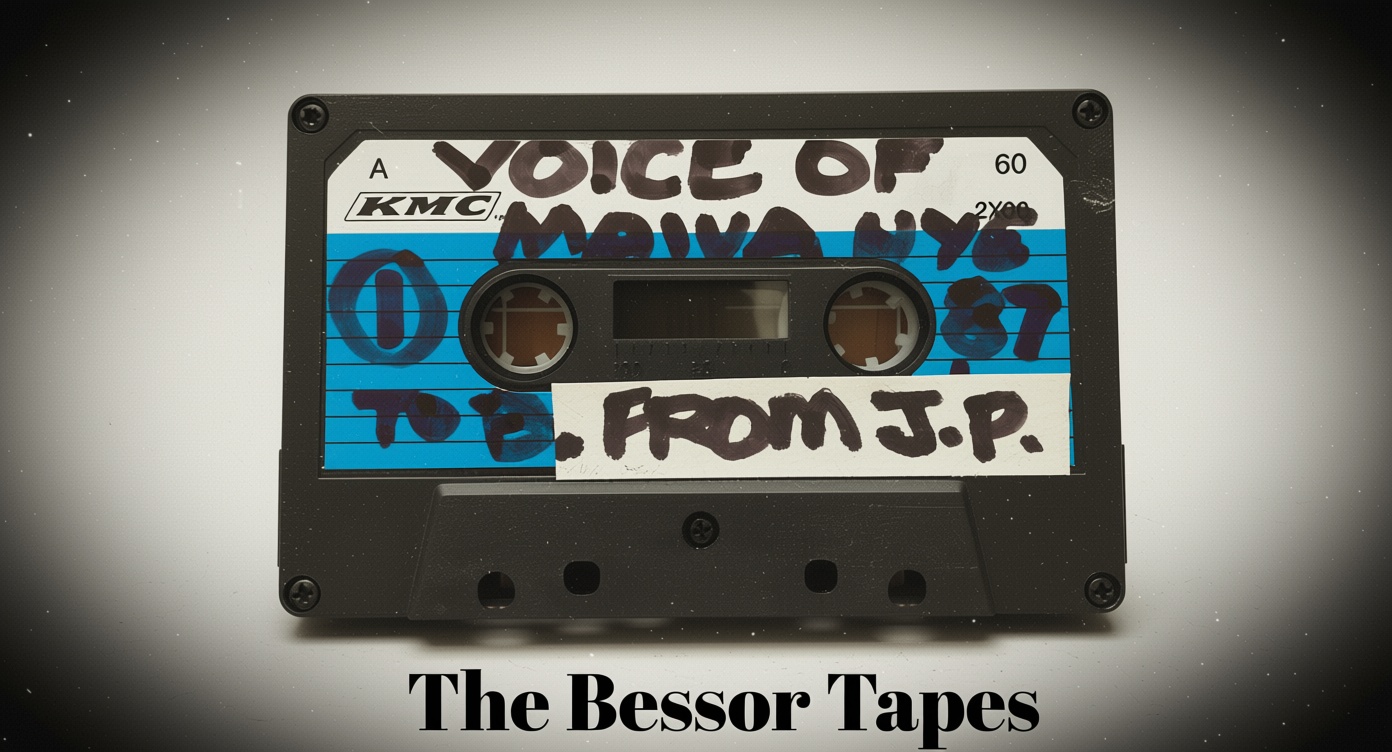
The latest installment from The Observer revisits one of ufology’s more eccentric early figures, John Philip Bessor (1914–1989), whose name has long been tied to the notion that UFOs might be “space animals” or atmospheric creatures rather than spacecraft. According to the magazine, Bessor put that theory in writing as early as 1947, and later developed it in a 1955 FATE magazine feature on “atmospheric beasties.” But the new piece shifts the focus away from his ideas and toward something even rarer: audio recordings from Bessor’s home, including what the publication describes as newly available tape material featuring Bessor’s own voice and the voices of visitors and strangers.
The Bessor Tapes
The Observer says the recordings, made in 1987, offer a first opportunity to hear Bessor directly, noting that no widely available recordings of his voice had previously circulated online. That alone makes the material notable for researchers who have long struggled to pin down the man behind the letters. Bessor has often been described in historical accounts as elusive, despite leaving behind a substantial paper trail. The new audio, the article suggests, helps fill in that gap by moving him from the page into the realm of lived sound, while also preserving the unusual domestic setting in which he apparently documented paranormal claims and unexplained voices.
Letters, Figures, and UFO History
The article also places Bessor within a broader correspondence network that included notable UFO and public figures, among them Gerald Ford, underscoring how widely such ideas circulated in the postwar era. Bessor’s surviving letters and writings, as described by The Observer, illustrate the way amateur investigators, magazine editors, and political observers sometimes overlapped in the early UFO era. That context matters: Bessor was not an isolated crank on the margins, but part of a wider mid-century conversation about mystery, airborne phenomena, and what might be behind them. The Observer frames his work as an early and influential example of the “space critter” hypothesis that later resurfaced in popular culture.
Wider Fortean Context
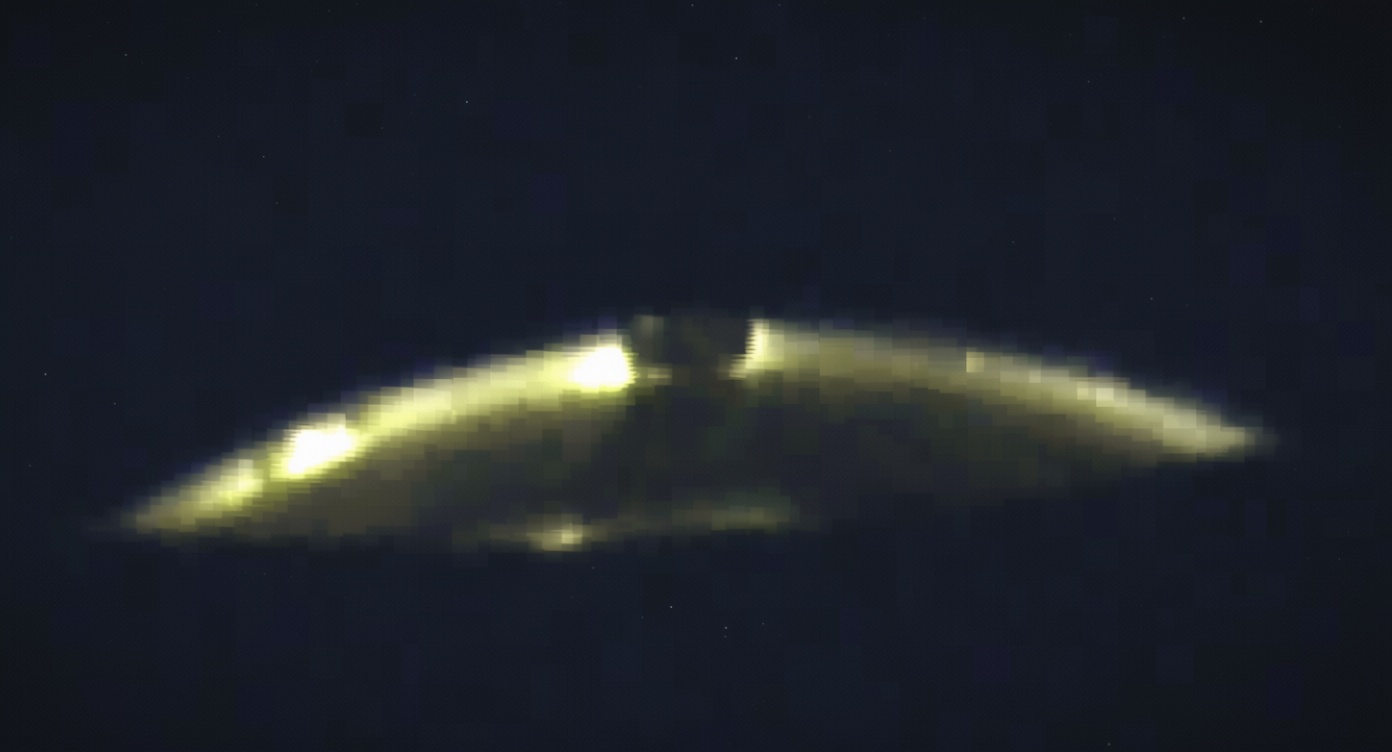
Beyond Bessor himself, the piece gestures toward the broader history of Fortean and UFO thought, including the development of Swedish ufology and several classic cases that remain touchstones for enthusiasts and historians alike. Among them are the Hudson Valley boomerang sightings, a series of reports that helped define the modern era of mass UFO observation, and a Canadian lake encounter that reportedly frightened a family of five. By placing Bessor alongside these cases, The Observer argues that UFO history is not only a catalog of sightings, but also a record of how ideas about the unknown evolved across countries, publications, and generations.
Why It Matters
For historians of anomalous phenomena, the significance of the article lies less in proving Bessor’s theories than in documenting how they were formed, circulated, and remembered. The combination of newly surfaced audio, longstanding correspondence, and retrospective context gives scholars another window into the early architecture of UFO belief. In that sense, The Observer’s examination of Bessor is both a biographical recovery and a reminder that the history of ufology is built as much from voices, letters, and magazines as from the sightings themselves.