Overview
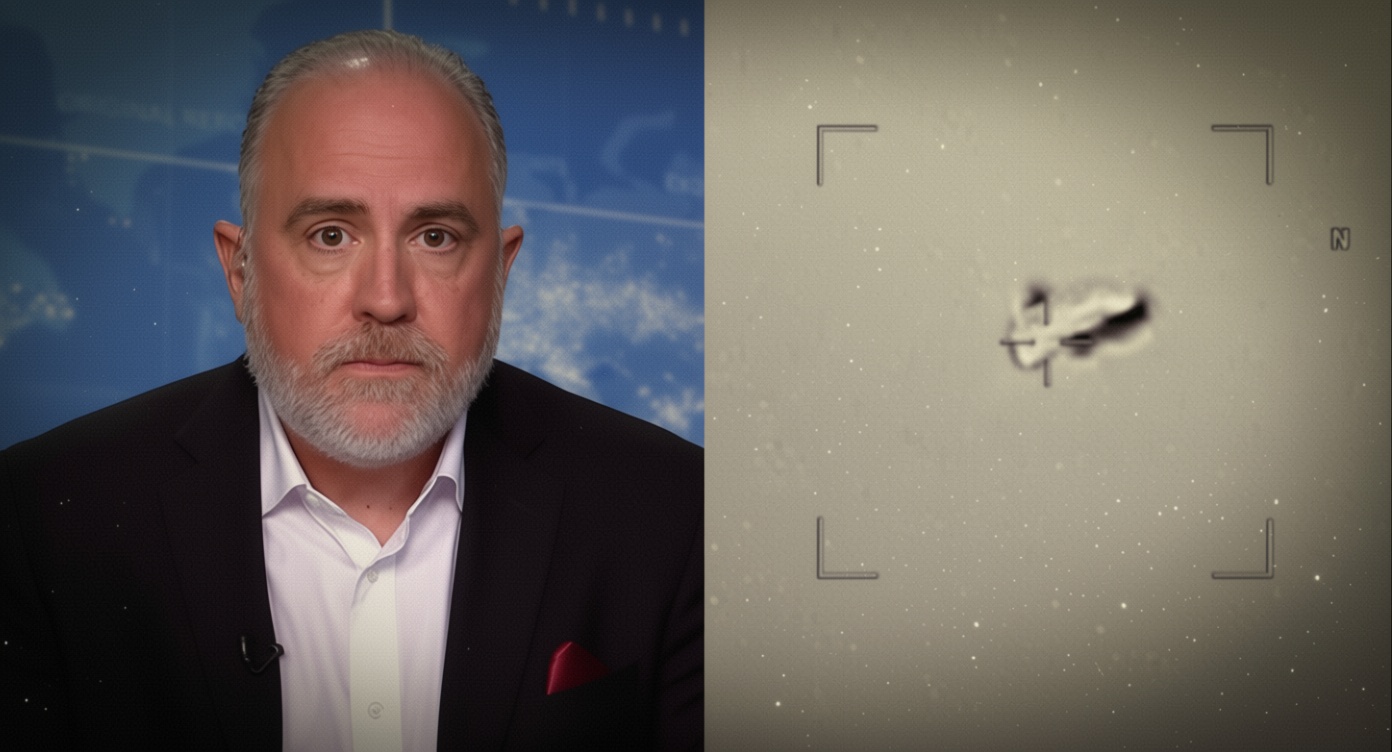
A report on unidentified flying objects—now commonly described as unidentified aerial phenomena (UAP)—has concluded that most cases remain unresolved primarily because investigators lack sufficiently reliable data. The finding offers a measured explanation for why many sightings resist classification: witnesses may report unusual objects or lights, but the available records often do not contain enough detail to establish what was observed.
The report also found no evidence that all UAP share a single explanation. That conclusion challenges attempts to treat unidentified sightings as one unified phenomenon. Instead, the cases may represent a broad range of events, including ordinary aircraft, atmospheric effects, sensor artifacts, misidentified objects or incidents that cannot be assessed with the information collected.
The Importance of Data
A central issue identified in the report is the quality and completeness of evidence. Investigators generally require information such as precise location, altitude, speed, direction, duration, weather conditions, sensor records and multiple independent observations before they can confidently identify an aerial event. When those details are missing or inconsistent, a case may remain “unidentified” even if the object itself was conventional.
Unexplained does not mean extraordinary, and it does not by itself establish that an incident involved technology of unknown origin. Rather, the classification indicates that analysts could not reach a dependable conclusion based on the available evidence. This distinction is important because uncertainty can arise from gaps in reporting as easily as from unusual characteristics in the event being investigated.
No Single Pattern
The report’s conclusion that UAP do not appear to have one common explanation reflects the varied nature of sightings. Reports may differ substantially in appearance, movement, environmental conditions and the type of evidence available. Grouping every unresolved observation into a single category can obscure those differences and make it more difficult to determine which cases warrant further examination.
This finding also limits broader claims drawn from isolated incidents. A dramatic account or unusual recording may attract public attention, but without corroborating data it cannot reliably demonstrate a wider pattern. The report therefore emphasizes the need to evaluate each case on its own evidence rather than assuming that all unresolved sightings are connected.
Implications for Future Investigations
The findings point toward better collection and preservation of information as the most practical path forward. More complete witness statements, standardized reporting procedures and timely access to sensor data could help separate ordinary explanations from genuinely unusual events. Consistent documentation would also reduce the number of cases that remain unresolved simply because essential details were never recorded.
The report ultimately presents uncertainty as a research and information problem, not proof of a hidden origin. Its conclusions leave open the possibility that some sightings may eventually be explained as additional evidence becomes available, while acknowledging that others may remain unresolved. For now, the strongest conclusion is limited but significant: available evidence does not support a single explanation for UAP, and many cases cannot be solved because the underlying data are insufficient.