Overview
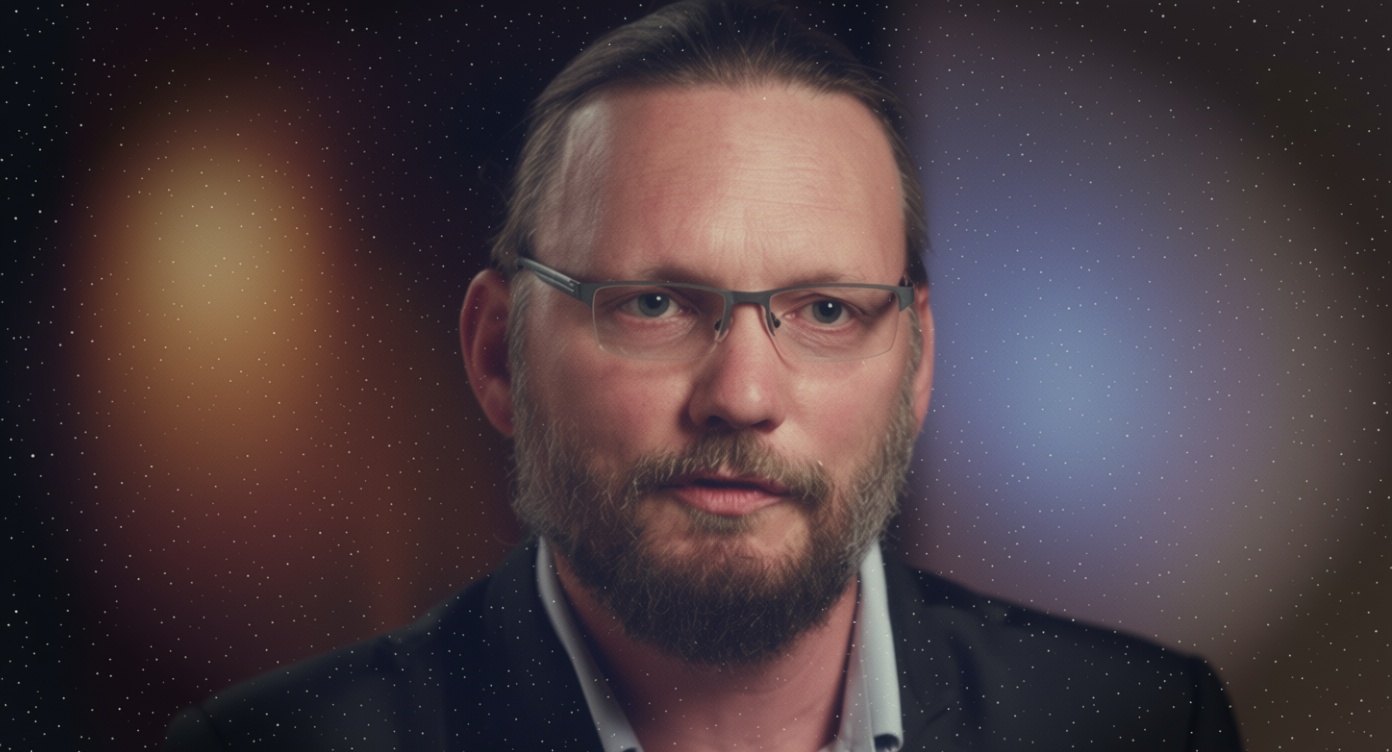
In a recent episode of The Big Finale, host Bruce Collins spoke with Dr. Tok Thompson, a professor of anthropology and communication at the University of Southern California and a prominent folklorist, about humanity’s enduring fascination with mysterious beings and unexplained events. Their discussion examined why cultures separated by geography and history often develop remarkably similar stories involving spirits, abductions, hidden worlds and encounters with humanoid creatures.
Thompson’s central argument is that folklore functions as a flexible cultural language. The details may change, but the underlying narrative patterns often remain consistent. A modern American might describe an encounter with a technologically advanced extraterrestrial, while someone in rural Ireland could interpret a similar experience as contact with fairy folk. In both cases, the story may involve small humanoid beings from another realm who interact with, or even abduct, humans. What changes most significantly is the cultural framework used to explain the encounter—ancient magic in one society and spacecraft or advanced technology in another.
Cultural Beliefs and Spiritual Frameworks
The episode explored how communities select explanations that reflect their historical identity and expectations about the future. Thompson cited research from Iceland indicating that approximately 60% of the population may hold beliefs in ghosts, a figure comparable to reported belief in the United States. Belief in aliens, however, was described as far less common—around 2%—while belief in Huldufólk, or “hidden people,” was reported at roughly 95%.
For Thompson, the contrast illustrates how different societies adopt distinct “vocabularies” for extraordinary experiences. The United States often interprets the unknown through a technological and future-oriented lens, while Icelandic and Irish traditions more frequently draw on ancient or magical worlds. He also discussed how Christianity commonly places spiritual beings into opposing categories, such as angels and demons. Other traditions, including aspects of ancient Greek philosophy, have treated spirits as more morally complex. The Greek concept of a daemon, for example, could refer to a neutral guide or creative influence rather than an inherently good or evil force.
Sasquatch and the “Wild Man”
The conversation also considered the continuing appeal of Sasquatch and the Yeti. Thompson connected these figures to the longstanding cultural contrast between the “civilized man” and the “wild man,” a theme that appears in some of humanity’s earliest literature. He pointed to the relationship between Gilgamesh and Enkidu as an early example of this dynamic.
In the modern Pacific Northwest, Sasquatch has taken on an additional social role as a regional symbol. Shared belief in a local legend can unite people across political and cultural divisions, even when they disagree about whether the creature physically exists. In this sense, the story’s cultural importance may extend beyond the question of evidence.
Folklore in the Digital Age
Rather than eliminating folklore, modern technology may have expanded its reach. Thompson argued that the internet enables people to share personal extraordinary experiences—known in folklore studies as “memorates”—with audiences around the world. Online communities can quickly form around figures such as the Mothman of Point Pleasant, creating new networks of belief, debate and storytelling.
The episode concluded with Thompson’s broader academic perspective, including ideas explored in Post-human Folklore, The Truth of Myth and Exploring Anthropology through Folklore and Mythology. He suggested that folklore may not be limited to humans and that myths continue to adapt to developments such as artificial intelligence and interstellar travel. Science and folklore offer different frameworks for interpreting reality, he argued, while both reflect humanity’s persistent need to understand uncertainty and give meaning to the unknown.